

Mayor Zohran Mamdani: Taylor Swift paid over $160,000 for NYC wedding permit
The NYC mayor says the permit covering police response and street closures already got paid, including timing right before the event.
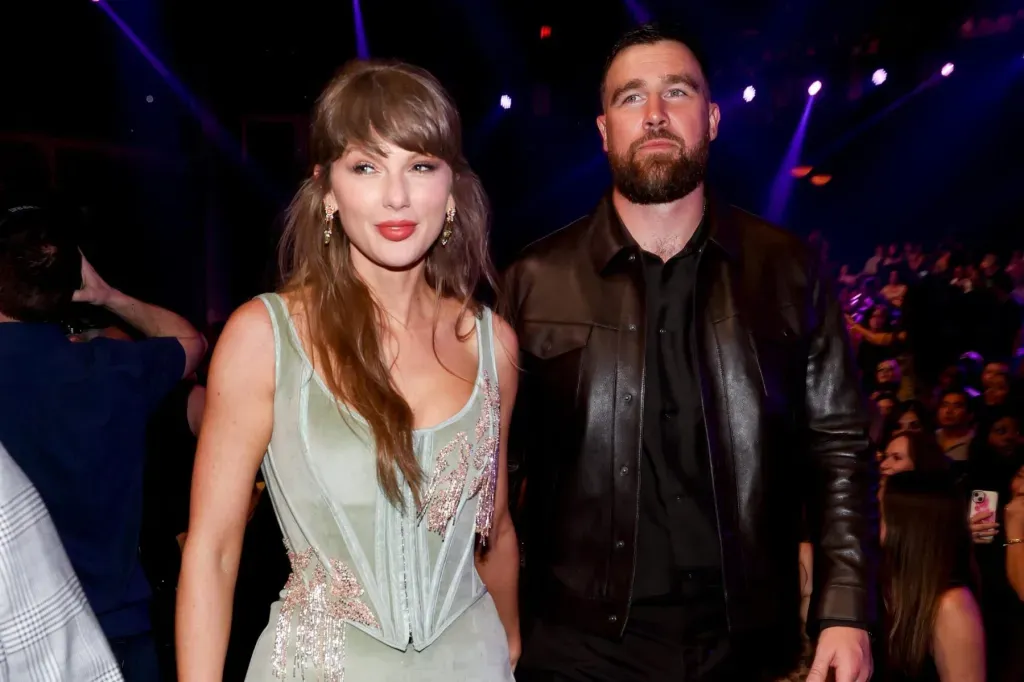
NYC Mayor Zohran Mamdani said Taylor Swift has already paid the cost of a NYC permit for the July 3 Madison Square Garden wedding weekend with Travis Kelce, which he described as over $160,000. For executives, the number is a live case study in how city permitting, security overlays, and event logistics can become a direct compliance cost.
NYC Mayor Zohran Mamdani says Taylor Swift has already paid “the cost of the permit” for her July 3 wedding with Travis Kelce, and it was “over $160,000.” Mamdani made the comment during a press conference on Friday (July 10), when a reporter asked whether Swift would be paying back the city for police overtime needed to support her wedding weekend events in Midtown Manhattan. The mayor’s answer was direct: she has paid.
The figure matters because it ties a celebrity event to the kind of municipal cost structure most businesses never see up close. According to Mamdani, the permit was “finalized… in just the days before the event itself,” and it covered not only the event and associated police response, but also the on-the-ground operational needs that come with closing streets and managing traffic near a major arena. In other words, this was not just a ceremonial paperwork item. It was a funded plan for crowd and security realities.
Here’s what that permit covered, as described in the reporting: the security permit included street closures and traffic management around Madison Square Garden. The operational timeline ran from a rehearsal dinner event on July 2 through the wedding itself on July 3. That means the permit was effectively part of a broader Midtown playbook, not a single-day license. For a city, that is where public-safety planning meets real money. For organizers, it is where “logistics” becomes “budget.”
NYC permitting for large-scale events typically intersects with multiple layers of city involvement: police and related security coordination, traffic control, and the administrative steps required to authorize disruptions in dense, high-footfall areas. The source does not spell out every step of the process, but Mamdani’s description highlights the key dynamic executives should notice: finalization can happen close to the event date. When decisions tighten to a short window, the risk profile changes. Costs are more likely to be driven by last-mile operational requirements rather than early, carefully priced assumptions.
Also, while details about what happened inside Madison Square Garden have been kept under wraps, there is still enough from the surrounding coverage to show this was an event designed to function like a hybrid between wedding and live broadcast-grade production. In a press release announcing Swift and Kelce’s marriage, Swift’s rep confirmed that the pop superstar and football player wore outfits designed by Christian Dior Haute Couture. The rep also confirmed the couple did not have traditional bridesmaids or groomsmen, with Swift’s brother Austin as her man of honor and Jason Kelce as Travis’ best man. And actor/comedian Adam Sandler officiated.
The entertainment surrounding the wedding weekend also had major-name weight. Two performers at the event were reported: Good Morning America co-host Robin Roberts confirmed that Stevie Nicks took the stage, and People shared that Paul McCartney performed The Beatles’ “I Want to Hold Your Hand” for the first time since 1963 at the MSG wedding. That matters for cost and permitting because higher-profile performers tend to raise security and crowd-management complexity, even if the exact mechanism is not detailed in the source. More attention usually means more demand on staffing, more planning for flow, and more sensitivity to risks city agencies manage.
What does this mean beyond the celebrity bubble? For executives and boards, the key takeaway is that city costs tied to public safety and operational disruption can land as explicit, invoiceable amounts. Mamdani’s quote frames the permit payment as already completed. That implies the organizers did not treat the city’s operational needs as a “we’ll deal with it later” matter. They treated them as a cost of doing the event, which is exactly how sophisticated stakeholders manage reputational and regulatory risk.
It also underscores a broader second-order implication: large events are not only marketing moments. They are governance and compliance exercises, with municipal systems as an external stakeholder. When permits, street closures, and police response are involved, the timeline and cost structure can become immediate, not theoretical. If you run a business that stages big gatherings, sponsors major public-facing moments, or operates in dense urban environments, this is a reminder that the bill might be coming from a place you rarely budget against: public-safety coordination and city logistics.
This story's Key Insights and Take-aways are locked.
Create a free account to unlock Executive Actions for one credit.
Register to UnlockAlways free for Executives Club members. Join the Club
More in Entertainment

12TB Steam 'teraleak' goes beyond Valve: GTA 3, Mafia 2 prototypes exposed
A 12-terabyte dump of Steam data reveals prototypes and builds of third-party classics like GTA 3 and Mafia 2, plus unreleased Valve content, rewriting game history.

LinkedIn's romance problem: 1 in 4 workers say dating on it is fair game
A new survey shows a quarter of U.S. employees treat the professional network as fair game for romance, even as LinkedIn bans it and removes hundreds of thousands of offending posts.

Enhypen's first No. 1 album breaks K-pop's Billboard 200 streak
The K-pop group's 98,000-unit debut tops the chart while Dolly Parton's catalog reentry shows how death reshapes streaming.