

Mbappé’s seven World Cup goals force a forgiveness tour for his critics
France’s captain flips reputations with a record-breaking run, turning old complaints into public apologies.
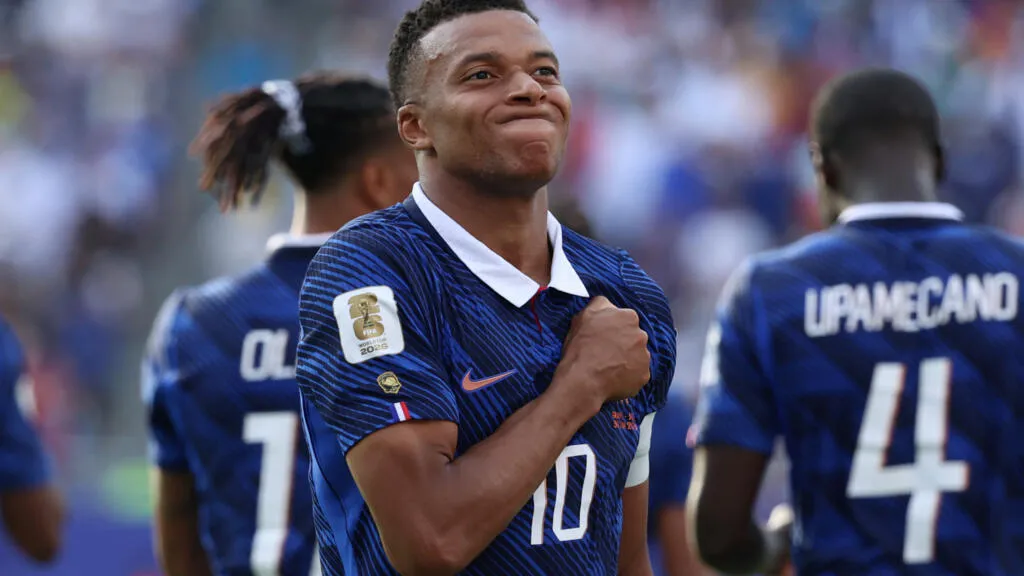
Kylian Mbappé, France’s captain, is delivering an extraordinary World Cup performance, scoring seven goals so far and breaking records. The surge has prompted some of his previous critics to publicly ask for forgiveness, including people who faulted him for being too outspoken or for leaving Paris to play in Madrid.
Kylian Mbappé is on a World Cup tear, and it is rewriting how people talk about him in real time. The France captain has scored seven goals so far and is breaking records, and the story around him has shifted from argument to admiration. It has gotten so noticeable that some who previously criticized him for being too outspoken, or for leaving Paris to play in Madrid, are now asking for forgiveness.
That reversal is the headline here, and the numbers are the proof. When someone goes from being “the problem” to being a record-breaker, the social math changes fast. Mbappé’s seven goals are not just highlights for fans. They are evidence, the kind that shuts down debates in boardrooms, group chats, and front-row press areas. If you had been skeptical because of his personality or his career moves, you now have to contend with results that feel impossible to ignore.
For decision-makers and anyone who thinks in incentives, this is a clean lesson in reputation dynamics: people do not audit character. They react to outcomes. Mbappé’s critics were not reacting to a slow, ambiguous narrative. They were reacting to perceived signals, like being “too outspoken” or choosing to leave Paris for Madrid. But when a player then delivers a once-in-a-World-Cup run, the original complaints start to look petty, or at least premature. The forgiveness tour is basically the public version of that realization.
There is also a deeper angle for anyone who follows elite talent ecosystems. Transfers and career choices are rarely viewed as neutral moves, especially when a star is involved. In Mbappé’s case, the source points to criticism tied to leaving Paris to play in Madrid. That kind of friction is common in sports culture because supporters often treat team allegiance like identity. So when a player changes clubs, even for professional reasons, some fans and commentators interpret it as a personal statement. Records, however, overwrite statements. Performance becomes a new language, one that is harder to argue with.
Now layer in the “why this matters” part, even if your job is not in football. Reputation is a risk asset. When it is attacked, it can dampen brand partnerships, reduce tolerance for mistakes, and increase how much attention people pay to missteps. But when reputation is repaired, quickly, it can unlock goodwill at scale. Mbappé’s current run does exactly that. By forcing a recalibration, it reduces the pressure on everyone around him to keep defending older narratives.
There is also an attention economy component. A World Cup is one of the few moments when the global audience concentrates on a single output metric, goals and records. That concentration compresses time for debate. The same audience that debated his demeanor can pivot to celebration because the tournament is producing a continuous stream of receipts. In that environment, even critics have a choice: keep arguing against the evidence, or join the acknowledgment that the evidence wins.
For peers in any high-visibility role, the second-order implications are real. Star founders, executives, athletes, creators, and anyone with a public-facing brand experience the same cycle. People judge you based on what they think you are, but they often reward you based on what you do. When outcomes arrive, the public demand shifts from “prove your intent” to “prove your impact,” and the forgiveness narrative becomes an easy social move. That is not because sincerity suddenly appears. It is because the group incentives change when performance is undeniable.
So the strategic stake is simple: Mbappé’s record-breaking run, anchored by seven World Cup goals so far, is doing more than changing one player’s reputation. It is showing how fast reputations can rotate when evidence stacks up. If you are an executive managing a brand, a board assessing a leader’s legitimacy, or a talent manager underwriting long-term trust, this is the reminder: audiences will forgive. They just require something concrete first. In Mbappé’s case, that something is the kind of performance that forces even the skeptical to say, essentially, “We were wrong. Forgive us.”
This story's Key Insights and Take-aways are locked.
Create a free account to unlock Executive Actions for one credit.
Register to UnlockAlways free for Executives Club members. Join the Club
More in Politics
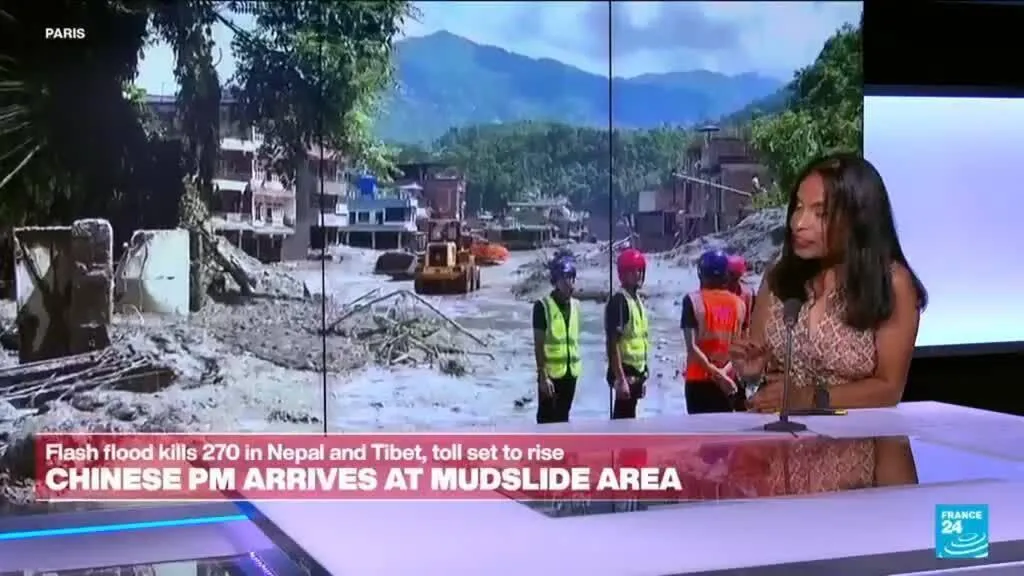
Glacial collapse, not rain, killed 180 in Nepal's Himalayan flood
The Himalaya's extreme geography hid the true cause of Nepal's catastrophic flood, a glacial collapse that turned a geological battleground into a mass-casualty zone.

Iran’s Esmail Baghaei says Oman talks start shipping via Hormuz, not US talks yet
Temporary route plans with Oman aim to restart commerce while Tehran says Washington dialogue is not on the table.
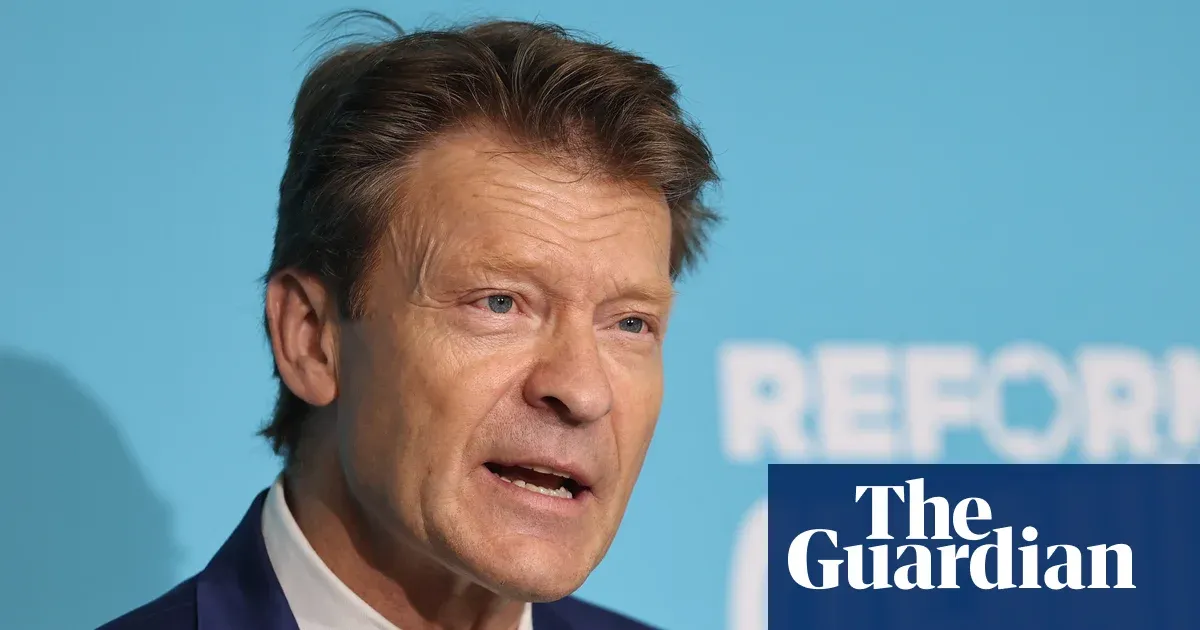
Standards watchdog opens probe into Reform UK deputy leader Richard Tice over interests
The parliamentary standards commissioner says it began an investigation on 28 July into a possible undeclared interest.