
McDonald's CEO: High inflation, flat traffic are here to stay
Chris Kempczinski's expectation of persistent cost pressure and sluggish customer counts rewrites the planning assumptions for every restaurant executive, from pricing to investment.
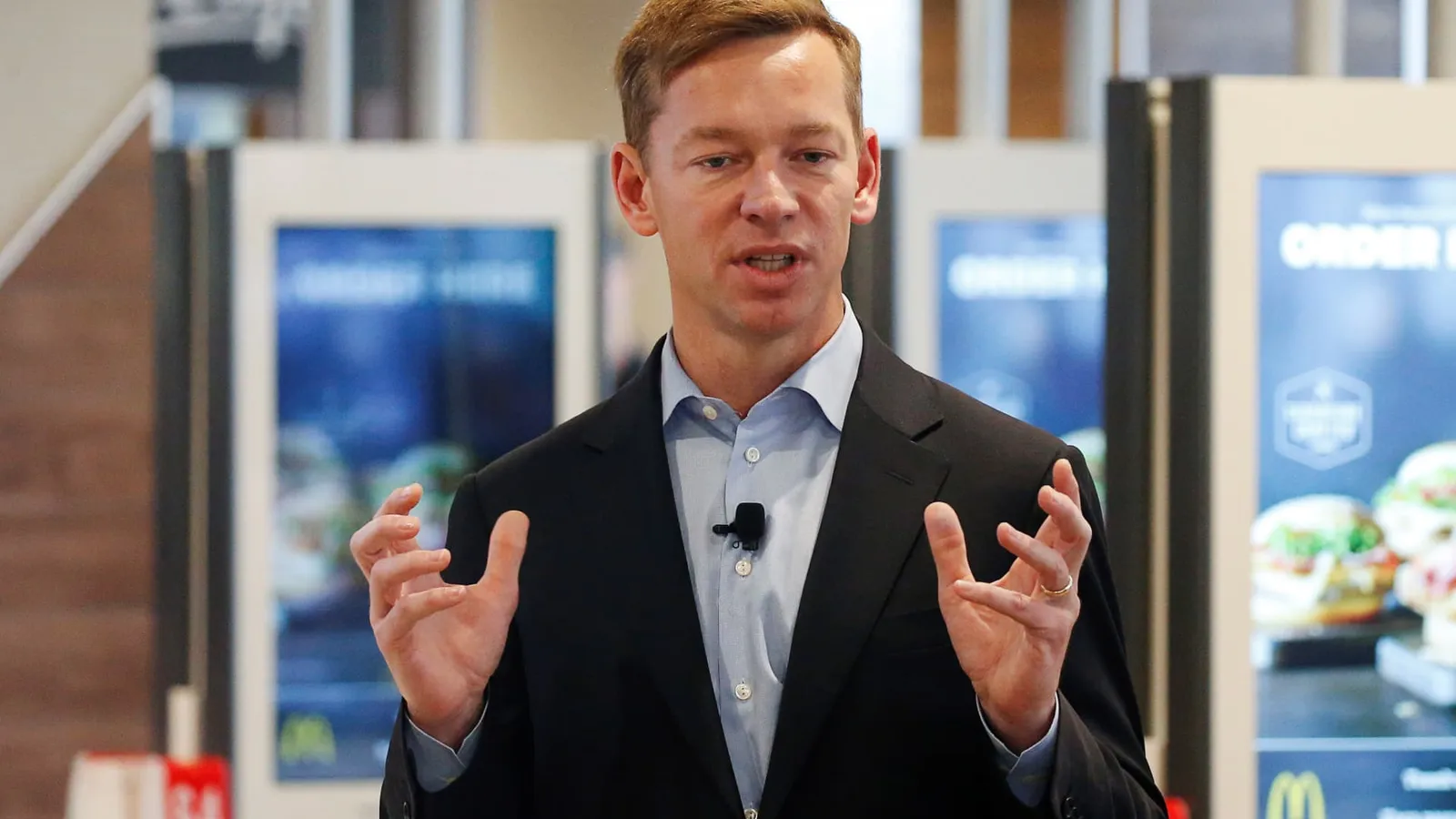
McDonald's CEO Chris Kempczinski said high inflation and flat traffic will continue to weigh on the restaurant industry. For decision-makers across fast food and casual dining, that means growth must come from pricing and efficiency, not more customers.
McDonald's CEO Chris Kempczinski expects high inflation and flat traffic to stick around, a warning that recasts the fast-food industry's next phase as a test of pricing power and operations rather than a return to easy growth. In comments reported by CNBC, Kempczinski said the two forces will continue to weigh on the restaurant industry, effectively telling operators to plan for a persistent squeeze on both the cost side and the customer count side. This is not a short-term wobble in his view; it is the operating environment that executives should build around for the foreseeable future.
The consequence is immediate for anyone running a restaurant business: same-store sales growth will have to come from higher average checks, not more visits, and those price increases will collide with customers who are already trading down, skipping extras, or cooking at home. The "here to stay" framing matters because many executives have treated inflation as a transitory problem and traffic as a cyclical dip. Kempczinski's statement suggests the baseline has shifted, and strategies designed for a recovery will underperform in a world defined by sticky costs and flat footfall.
Inflation and traffic are two sides of the same coin. When input costs rise and wages stay elevated, menu prices must follow, but each increase risks pushing price-sensitive customers out of the store. McDonald's historically has leaned on value menus and limited-time offers to defend its position as a low-cost leader, but that defense becomes harder when the cost of beef, labor, packaging, and energy remains high. Industry data has shown that quick-service restaurants typically see traffic fall when they raise prices faster than consumers' perception of value, and the current gap between cost curves and consumer budgets leaves little room for error.
The franchisee angle adds another layer of pressure. McDonald's restaurant owners face fixed costs like rent, utilities, and insurance that do not soften when traffic stalls, and they are the ones absorbing the tension between corporate pricing guidance and local market realities. For franchisees, the flat-traffic forecast means they must fight for share in a shrinking pool of visits, often by spending more on labor to keep service fast and clean, which further pressures margins. That dynamic tends to increase tension between corporate and franchise owners, because the center wants consistency and national campaigns while operators want localized flexibility to respond to regional inflation and wage laws.
A persistent high-inflation, flat-traffic environment also reshapes capital allocation. Investing in new restaurant construction, remodels, or aggressive expansion looks less attractive when same-store traffic is not growing, and the payback periods lengthen. Instead, the rational play becomes productivity tools: kiosks, digital ordering, supply chain automation, and store-level labor scheduling all move from nice-to-have to essential. The digital channel becomes a double-edged sword, because delivery and pickup can lift average checks but also add fees and commission costs that eat into already thin margins. Executives will need to be surgical about which traffic is worth pursuing, as discount-driven delivery orders often destroy value even when they pad the sales line.
Kempczinski's expectation is also a bellwether for the broader consumer economy. When the largest quick-service restaurant operator in the world sees no meaningful rebound in visits, it signals that household budgets remain constrained and that the trade-down effect is not lifting the sector as it normally does in a downturn. In prior recessions, fast food has been a relative safe haven as consumers traded down from casual dining, but today McDonald's is seeing its own base staying frugal. That suggests the pressure is not just about the economy; it is about a structural change in how often people eat out and where they draw the line on value.
The strategic stakes for industry peers are clear. Burger chains, chicken concepts, coffee shops, and fast-casual brands are likely to face the same macro currents, so the ones that outperform will be those that treat pricing power and traffic defense as permanent capabilities rather than tactical responses. That means rethinking menu architecture to protect a value tier, deploying data to predict local demand patterns, and being honest with investors about the growth algorithm being built on ticket size and frequency rather than pure store growth. Boards and management teams will need to stress-test budgets against scenarios where inflation stays high and traffic stays flat for years, and where the brand that wins is the one that can hold prices without losing customers.
The reminder for executives is that public statements like this are more than market commentary. They shape franchisee expectations, supplier negotiations, and analyst models. When a CEO of McDonald's size sets the frame, the rest of the industry follows in terms of contingency planning. The companies that treat this as a permanent condition rather than a temporary pain will build the flexibility to adjust pricing, labor, and investment faster than competitors who are still waiting for the old normal to return.
This story's Key Insights and Take-aways are locked.
Create a free account to unlock Executive Actions for one credit.
Register to UnlockAlways free for Executives Club members. Join the Club
More in Business
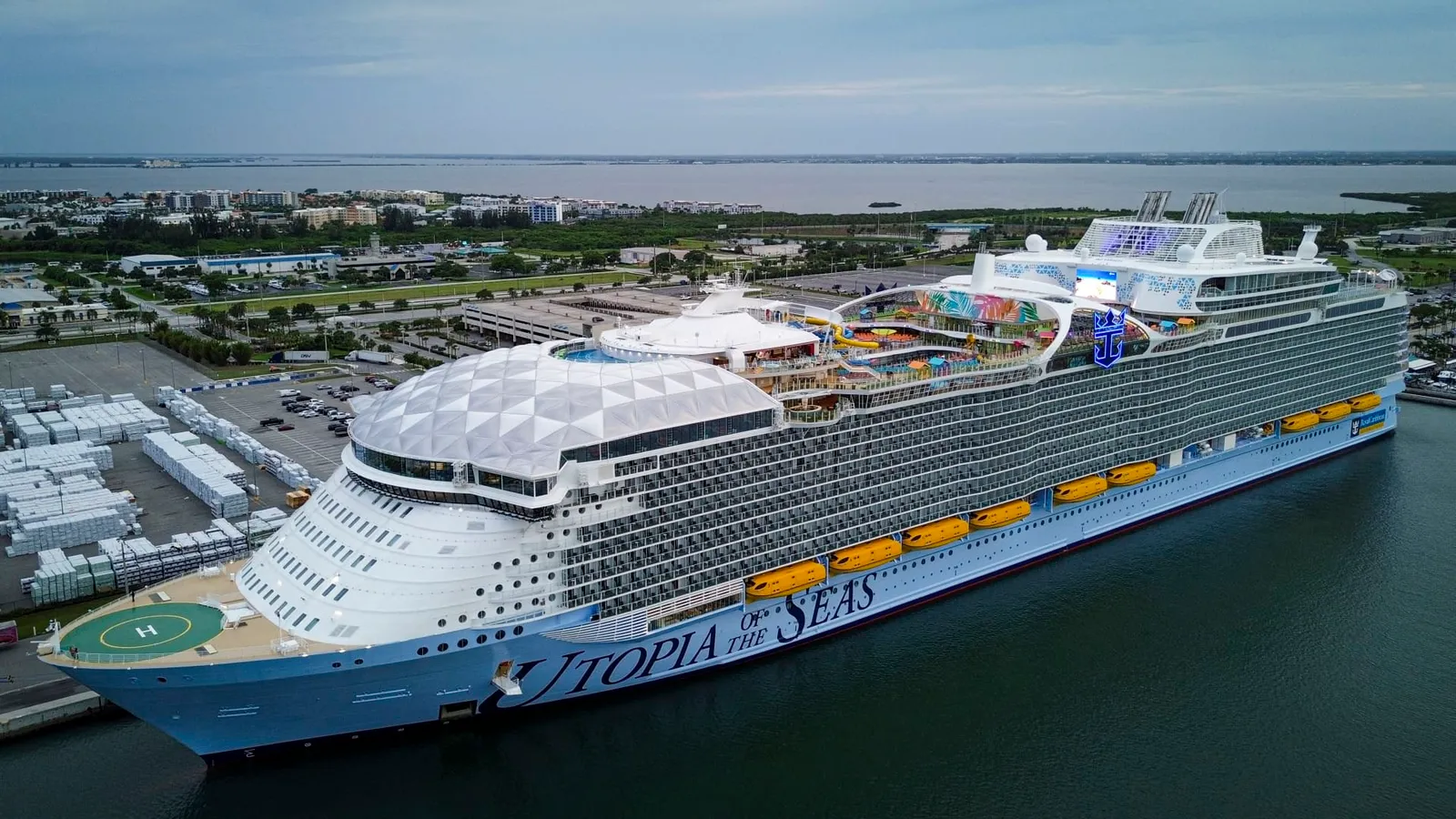
Royal Caribbean just spent $3B to own half of Sandals
The cruise giant is buying a 50% stake in the all-inclusive resort chain for $3 billion, a bet that land-based vacations are the next growth engine.

Paramount's Ellison: Merger Clearance Done, WBD Deal by Oct 1
David Ellison says the Paramount-WBD merger has full clearance after settling with state AGs, clearing the path for an October 1 close.
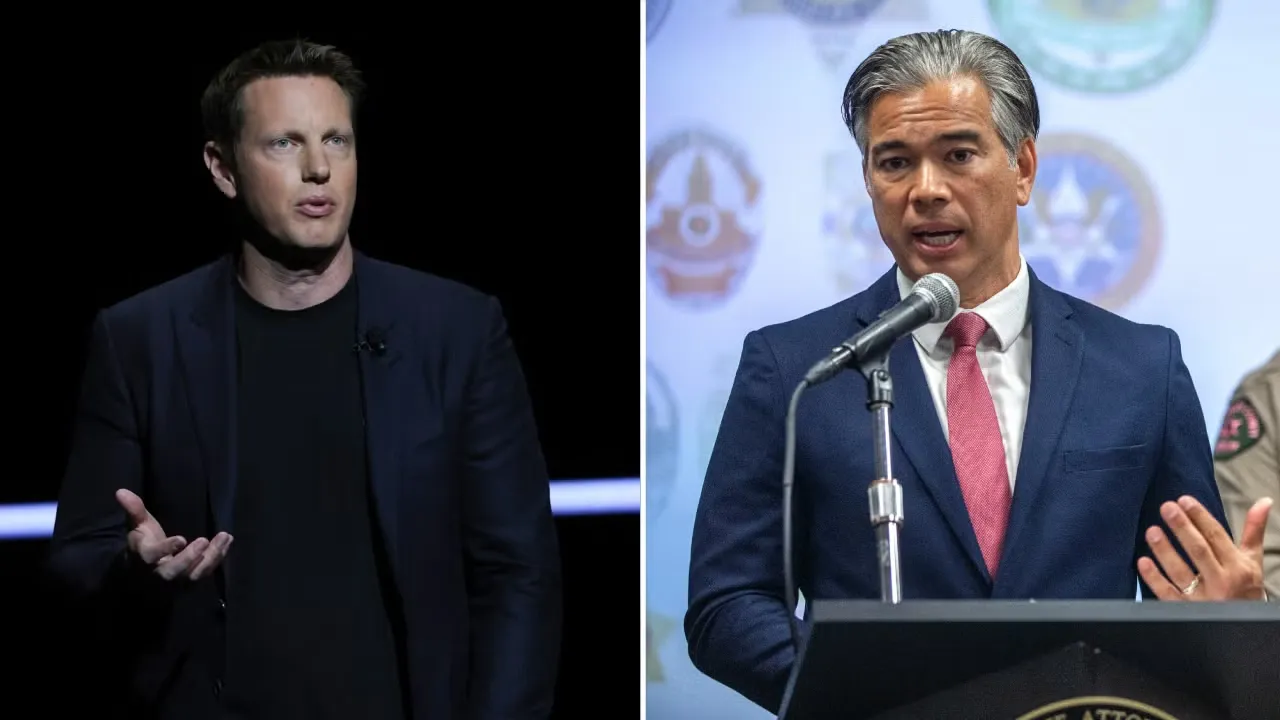
Paramount settles with 12 states, $110B Warner merger clears final hurdle
David Ellison's studio avoids a March trial and a $7M-a-day ticking fee by settling with state AGs over local job losses.