

Meloni faces 2027 pressure as Italy accused of reshaping judiciary, media, elections
As Giorgia Meloni’s coalition tightens its grip, executives should watch how democratic institutions and compliance risks evolve.

Italy Prime Minister Giorgia Meloni leads a coalition of conservatives and the far right amid accusations of pushing greater influence over the judiciary, the media, and the electoral system. With 2027 elections approaching, the pressure on democratic institutions is raising stakes for regulators, journalists, and vulnerable groups.
Italy is heading toward the 2027 elections with a familiar European tension returning, only this time it is sharper and more consequential: democratic institutions are coming under increasing pressure, and the people paying the price are not abstract statistics. The France 24 segment frames the season as a contrast to “la dolce vita,” but it is clear the storyline is about real-world friction for migrants, women seeking abortions in parts of Italy, and journalists facing growing political pressure on the media. Prime Minister Giorgia Meloni leads a coalition of conservatives and the far right, and the core accusation is that her government is seeking greater influence over the judiciary, the media, and the electoral system.
If you are an executive, board member, investor, or operator, the key point is not partisan drama for its own sake. It is institutional design, because who controls courts, who sets the rules of information, and how elections are run can change the operating environment for everyone who needs predictable governance. In the France 24 overview, the urgency is tied directly to the electoral calendar: as the 2027 elections approach, the government’s influence plans are being criticized, with particular focus on the judiciary, the media, and the electoral system. In practical terms, that means the “rules of the game” could be modified while companies, NGOs, and journalists are still trying to play by the old ones.
To understand why this matters beyond politics, it helps to remember how the EU ecosystem is supposed to work. Italy is an EU founding member, so it sits inside a broader architecture where democratic norms and the independence of courts are meant to act as guardrails. When allegations arise about attempts to gain more influence over the judiciary, it signals a possible shift in how legal challenges are likely to be handled, including those involving administrative decisions, regulatory enforcement, and rights-based disputes. For a business leader, court predictability is not just legal theory. It affects everything from timeline risk for litigations to how confidently counterparties can plan.
The media piece is similarly not just about press freedom in the abstract. France 24 notes “journalists facing growing political pressure on the media.” When reporting is pressured, it changes the information environment in which stakeholders make decisions. Investors and boards rely on coverage and investigations to surface risks early, and civil society uses journalism as a watchdog. If the flow of credible information tightens, second-order effects can follow: reputational risk can grow, compliance signaling can become murkier, and it can be harder to verify claims quickly when controversies flare.
Then there are the human-rights pressure points referenced in the segment. The report highlights migrants, and also women seeking abortions in parts of Italy. While these are personal outcomes, they also connect to regulatory and policy pathways, because healthcare access, asylum-related decisions, and rights protections often turn on how institutions implement and interpret rules. If democratic institutions are under strain, implementation can become more variable across regions and over time, which increases operational friction for firms that operate in or rely on public-sector systems, logistics networks, or local service ecosystems.
Another practical angle is incentives. Coalitions matter, and France 24 explicitly describes Meloni’s government as a coalition of conservatives and the far right. In coalition politics, parties can prioritize policy wins that consolidate influence, especially as elections approach. The accusation in the segment is that the government is seeking greater influence over the judiciary, the media, and the electoral system. Even if you avoid guessing motives, the pattern is what executives should monitor: moves that affect institutional checks and balances tend to compound. The reason is timing. Changes to courts, electoral rules, or media structures typically outlast day-to-day political cycles, shaping the next years of dispute resolution, enforcement, and legitimacy.
What should peers take from this? France 24’s framing suggests a broader European warning sign: when political pressure on institutions rises, the downstream effect is not confined to politics. It reaches into risk management. Companies operating in countries where the judiciary or media environment faces credible accusations may need to think harder about governance, crisis response, and how stakeholders interpret actions. Boards also need to be alert to how elections can change regulatory posture, including which rules get prioritized and how quickly enforcement becomes politicized. The strategic stake is straightforward: stability is a competitive advantage, and institutional drift can quietly erode it.
This story's Key Insights and Take-aways are locked.
Create a free account to unlock Executive Actions for one credit.
Register to UnlockAlways free for Executives Club members. Join the Club
More in Politics
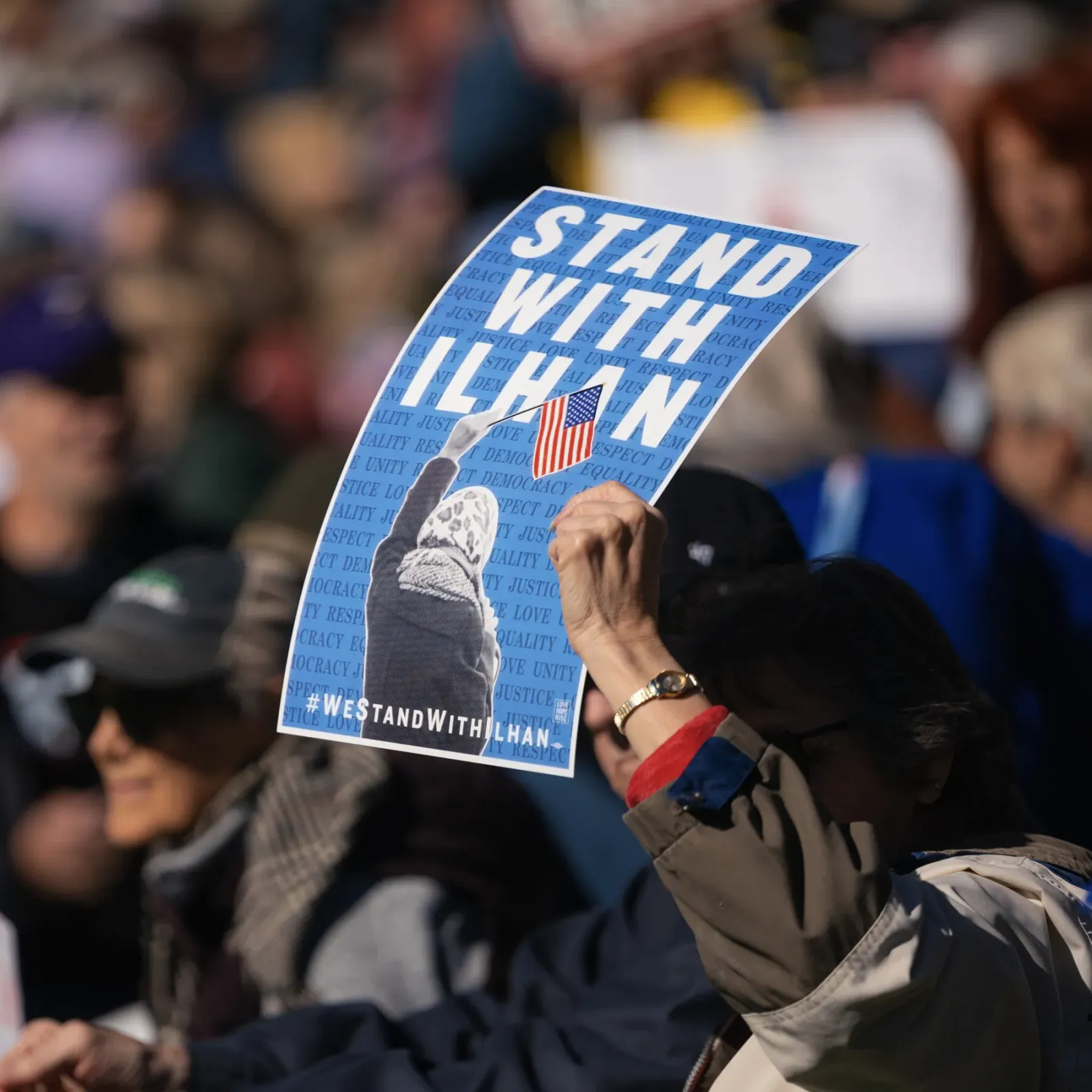
Obama Defends Ilhan Omar After Agents Search Her Home in Trump Inquiry
The former president's intervention raises the stakes in a federal probe into immigration paperwork that has put a prominent progressive lawmaker in the crosshairs.

Blair-era minister: cut welfare to fund youth job support
Alan Milburn's call for welfare cuts to fund employment support opens a Labour fight over benefits and the Neet crisis.
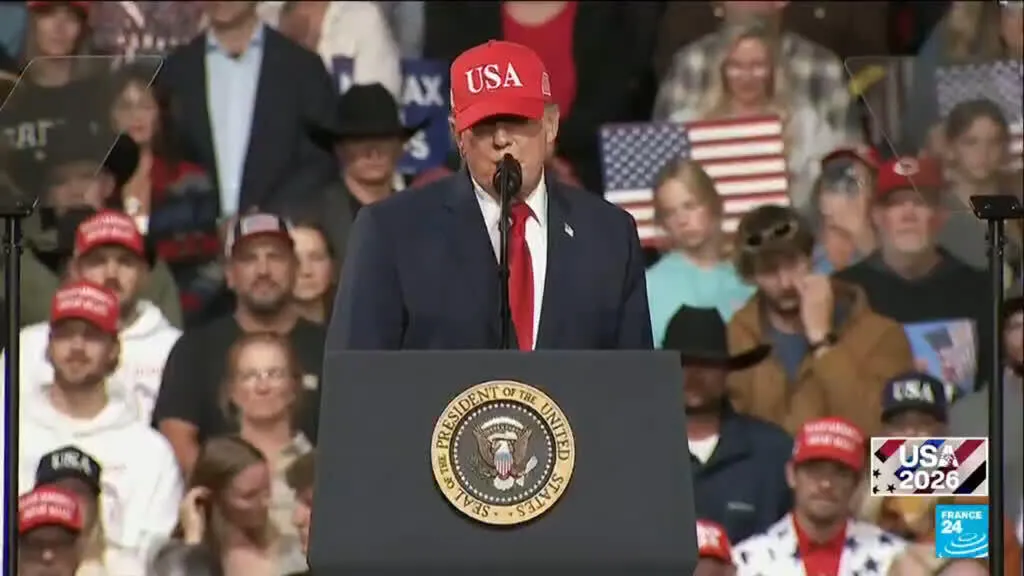
Hot September CPI: energy costs surge, voters feel the squeeze before midterms
The latest inflation print lands as Trump campaigns for GOP control of Congress, putting cost-of-living worries at the center of the midterm fight.