
Meta's first camera-free glasses are the real news at Connect
Zuckerberg also unveiled a slimmer VR headset, but the camera-free design could be the move that unlocks mainstream adoption.
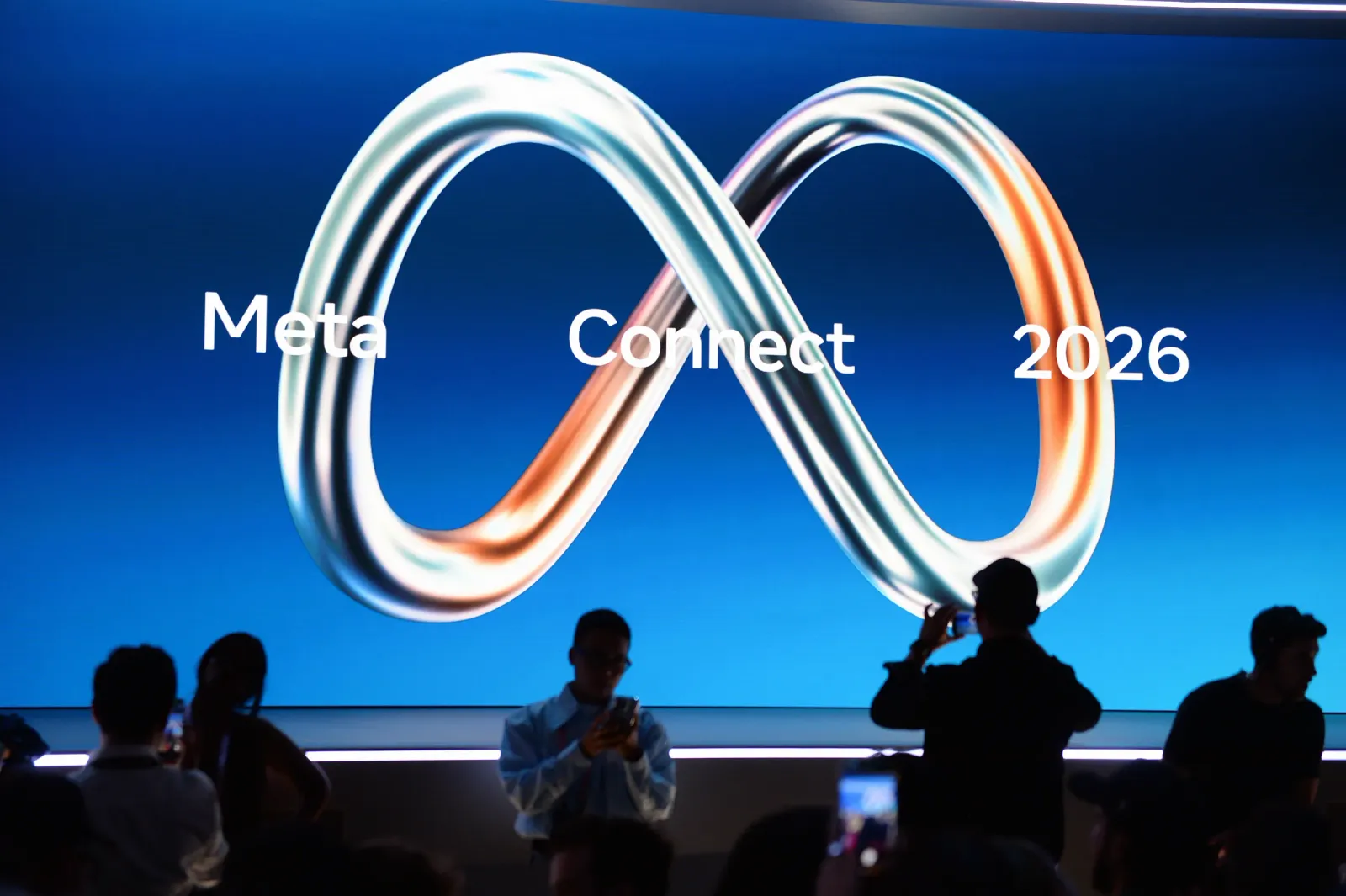
Meta CEO Mark Zuckerberg announced a lineup of new smart glasses at Meta Connect, including the company's first camera-free model and a slimmed-down VR headset. For decision-makers, the camera-free design removes a key privacy barrier to wearable adoption and signals a strategic pivot toward comfort and discretion.
Meta's first camera-free smart glasses are here, and they're the most interesting thing Mark Zuckerberg showed off. At its Meta Connect event, the CEO announced a handful of new smart glasses, headlined by a model that ditches the camera entirely - a first for Meta. The lineup also includes a slimmed-down VR headset and new Ray-Ban Meta variations, including the Ray-Ban Meta Audio and the Ray-Ban Meta Gen 3. But the camera-free pair is the pivot: previous Meta smart glasses, like the Ray-Ban Stories line, shipped with built-in cameras, and that feature drove both the appeal and the controversy.
Removing the camera changes the value proposition in a big way. Glasses with cameras have historically triggered privacy concerns, with some venues taking steps to restrict them and critics warning about covert surveillance. By going camera-free, Meta sidesteps that entire category of friction. The glasses still promise audio, voice AI, and notifications, but they no longer look like a surveillance tool. For a company whose earlier smart glasses sparked privacy worries, this is a deliberate attempt to make the product less creepy and more consumable. It also makes the glasses more socially acceptable in gyms, locker rooms, and corporate offices - places where a camera would immediately be a problem.
The slimmed-down VR headset addresses a different pain point: comfort. Heavier headsets have long been a barrier to sustained use, and Meta's push toward a lighter form factor mirrors the broader industry's quest for headsets that people actually want to wear. The exact specs have not been published in the initial announcement, but the emphasis on a slimmer profile signals that ergonomics are now a top priority. That could matter as much as display resolution for driving mainstream adoption, especially as competitors like Apple have faced criticism over the weight of their mixed-reality headsets. A lighter headset also lowers physical fatigue, making longer VR sessions viable for work and social interaction.
These launches land at a critical moment for the smart glasses market. Meta's collaboration with Ray-Ban has already produced one of the most commercially notable smart glasses to date, proving that consumers will wear tech designed to look like ordinary eyewear. By adding a camera-free variant, Meta is broadening the addressable market to include privacy-focused users and enterprise settings where recording devices are restricted or banned altogether. It's a classic segmentation move within a single product family. The audio-first Ray-Ban Meta models, including the Ray-Ban Meta Audio, double down on the idea that the core utility of tomorrow's glasses is sound and AI, not video capture.
The strategic logic is clear: less can be more. Removing the camera cuts material costs, extends battery life, and eliminates the most contentious feature any smart glass can have. It also aligns with tightening global regulation around biometric data and unauthorized recording - camera-free devices face fewer compliance hurdles and less reputational risk. For executives in hardware and software, the takeaway is that constraints can be a competitive weapon. The camera-free glasses are not a downgrade; they are a repositioning toward a larger, more mainstream customer base that has been waiting for a pair of glasses that won't make everyone around them uncomfortable.
The camera-free direction also fits Meta's broader AI narrative. Without a camera, the glasses can still hear, understand, and respond - connecting to Meta's AI ecosystem and the wearer's smartphone. Zuckerberg has long positioned AI-powered eyewear as a potential successor to the smartphone, and a camera-free model is far more socially acceptable in everyday situations. It's easier to wear these at meetings, at dinner, or in a locker room - places where a camera-equipped pair would get you immediately singled out. The glasses become a hands-free audio assistant, one that is always available without undressing your personal life in front of everyone.
For decision-makers watching the wearable race, the message is that the winning product will be the one that removes friction, not just the one that adds features. Apple, Google, and Amazon are all working on smart glasses, and Meta's camera-free move could force them to reconsider their own assumptions about what users want. The real battleground is not megapixels - it's permission. Meta just made it easier for people to say yes to wearing a computer on their face. The question now is whether that bet pays off, and the early sales numbers from these camera-free glasses will be the first data point. If consumers reward the absence of a camera, the entire industry will have a new playbook.
This story's Key Insights and Take-aways are locked.
Create a free account to unlock Executive Actions for one credit.
Register to UnlockAlways free for Executives Club members. Join the Club
More in Business

Royal Caribbean just spent $3B to own half of Sandals
The cruise giant is buying a 50% stake in the all-inclusive resort chain for $3 billion, a bet that land-based vacations are the next growth engine.

Paramount's Ellison: Merger Clearance Done, WBD Deal by Oct 1
David Ellison says the Paramount-WBD merger has full clearance after settling with state AGs, clearing the path for an October 1 close.

Paramount settles with 12 states, $110B Warner merger clears final hurdle
David Ellison's studio avoids a March trial and a $7M-a-day ticking fee by settling with state AGs over local job losses.