

Michael Steranka pledges 1,000-person Times Square Mewtwo event is just Phase 1
The “Pokémon Go” product vice president ties a mega-anniversary moment to a bigger mission: building lasting player “core memories.”

Michael Steranka, vice president of product at Niantic, says the 1,000-person Times Square Mewtwo event is only the beginning of “Pokémon Go’s” 10th anniversary programming. For decision-makers, it is a signal that Niantic is treating live experiences as product infrastructure, not just marketing spectacle.
Ten years ago, “Pokémon Go” product vice president Michael Steranka tells the story of how his team’s first attempt at a large-scale live event went sideways. In his own words, he was crying in the shower because the event was a disaster: the game kept crashing, too many people were trying to play at once, and the servers could not handle the game’s immense demand.
Now, a decade later, Steranka is promising something dramatically different: a 1,000-person event in Times Square featuring Mewtwo, and he frames it as the start of the 10th anniversary rather than a one-off victory lap. His message is simple and telling. The same instincts that once triggered panic on the infrastructure side are being pointed at player-facing “core memories,” with Steranka saying, “My personal goal is to create core memories for all players.”
That arc matters because “Pokémon Go” is not just another mobile game with seasonal content. It is a real-world, location-sensing platform that lives or dies on concurrency, reliability, and capacity planning. When your product depends on millions of people moving through space at the same time, the system is under a very particular kind of stress. The original event failures Steranka describes are basically a playbook of what can go wrong when you scale a live service: performance collapses, stability problems show up right when attention spikes, and the infrastructure gets asked to do more than it was built for.
So why is Niantic betting on another big physical event now? Because the product economics of location-based platforms often hinge on activation. Digital engagement is one thing, but real-world gatherings create dense bursts of learning, content momentum, and brand stickiness. Even without adding new mechanics, a large event can increase the odds that players come back, share, and bring friends who then become the next wave of demand. For a platform like “Pokémon Go,” where player behavior is literally mapped to where they are in the world, the “event engine” becomes a way to coordinate that behavior.
Steranka’s framing also reveals how teams like Niantic typically learn over time. In the first big attempt, the failure mode was clear: crashes, overload, and servers that could not handle the immense load. The second attempt in a different era is not just “we can do it again.” It is “we can do it with a system designed for it.” When Steranka says the Times Square Mewtwo event is just the start of the 10th anniversary, it implies the organization wants to create a sequence of moments, each reinforcing player trust in the platform’s ability to handle real-world attention.
There is another boardroom angle here, and it is not just about excitement. Anniversary programming is usually a marketing and retention exercise, but it can also function as a risk-managed stress test. If you are going to ask a global audience to show up physically and simultaneously in large numbers, you are also testing everything from network performance to traffic routing to operational readiness. A company that remembers shower-level disaster lessons tends to build guardrails. And in live-service companies, guardrails become strategy.
Regulatory and compliance considerations also sit in the background of any Times Square event, especially one designed to gather a large crowd. While Steranka does not name specific agencies or requirements in this excerpt, physical events at this scale typically bring a different set of constraints than a normal in-app update. That is part of why experience-driven product decisions are consequential: the company must coordinate logistics and safety with the real world’s rules, not only the game’s code.
For executives and operators watching this story, the strategic takeaway is that Niantic is treating live moments as part of the product roadmap. The headline is about a 1,000-person Mewtwo event. The real business bet is about whether the platform can translate massive attention into durable loyalty. Steranka’s promise is that the memories will be “core” and for “all players,” which raises the standard beyond hype. A decade after servers and stability failed the first big try, the message now is that the company thinks it has earned the right to scale again, with bigger intention and tighter execution.
And for peers running their own platforms, this is the core lesson. When demand arrives in a flood, the question is not whether you can build the feature. It is whether you can survive the moment. Niantic’s anniversary pitch suggests it is betting that it can not only survive, but also turn survival into a lasting relationship with players.
This story's Key Insights and Take-aways are locked.
Create a free account to unlock Executive Actions for one credit.
Register to UnlockAlways free for Executives Club members. Join the Club
More in Entertainment
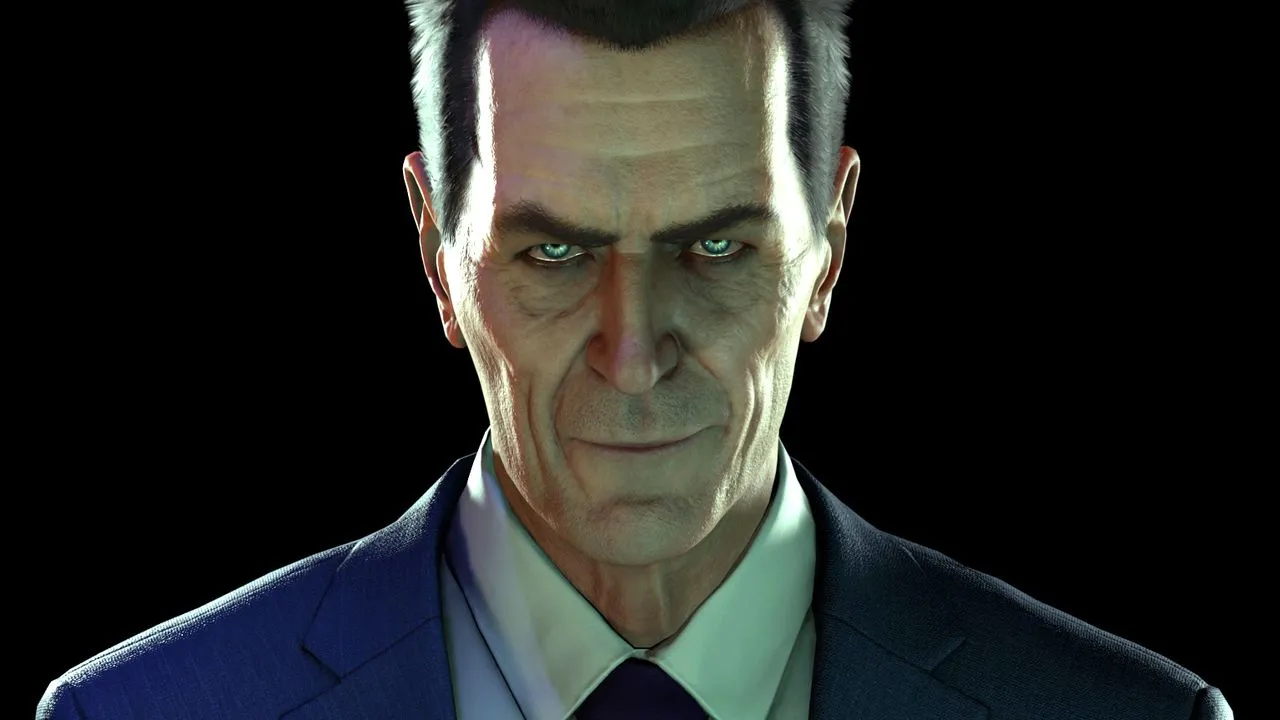
12TB Steam 'teraleak' goes beyond Valve: GTA 3, Mafia 2 prototypes exposed
A 12-terabyte dump of Steam data reveals prototypes and builds of third-party classics like GTA 3 and Mafia 2, plus unreleased Valve content, rewriting game history.

LinkedIn's romance problem: 1 in 4 workers say dating on it is fair game
A new survey shows a quarter of U.S. employees treat the professional network as fair game for romance, even as LinkedIn bans it and removes hundreds of thousands of offending posts.
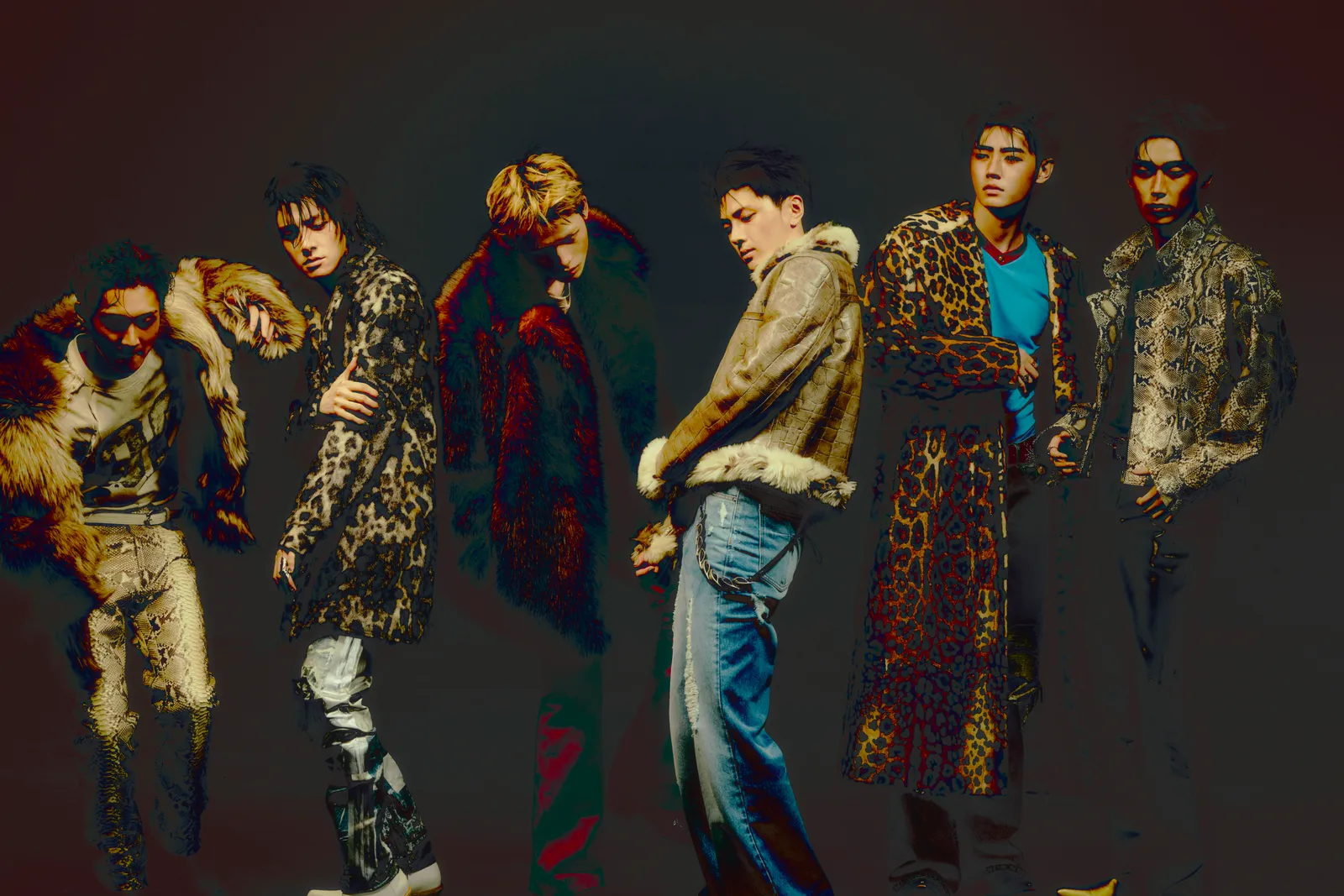
Enhypen's first No. 1 album breaks K-pop's Billboard 200 streak
The K-pop group's 98,000-unit debut tops the chart while Dolly Parton's catalog reentry shows how death reshapes streaming.