

Michael Waldron is developing Nova, signaling a Guardians-style reset for Marvel’s next solo movie
Loki creator and Avengers: Doomsday co-writer Michael Waldron is developing Nova, and the play is clear: protect the Guardians vibe from MCU sprawl.
Michael Waldron, creator of Loki and co-writer of Avengers: Doomsday, is developing Nova for Marvel. For decision-makers, it points to how Marvel is trying to replicate the Guardians era’s broad appeal by keeping certain stories creatively insulated.
Marvel’s next big solo movie might be trying to do the one thing the MCU has historically struggled to repeat on purpose: recreate the Guardians of the Galaxy era’s sense of freedom. According to Polygon, Loki creator and Avengers: Doomsday co-writer Michael Waldron is developing Nova. In a franchise universe that can sometimes feel like it has one steering wheel and five committees holding it, that matters.
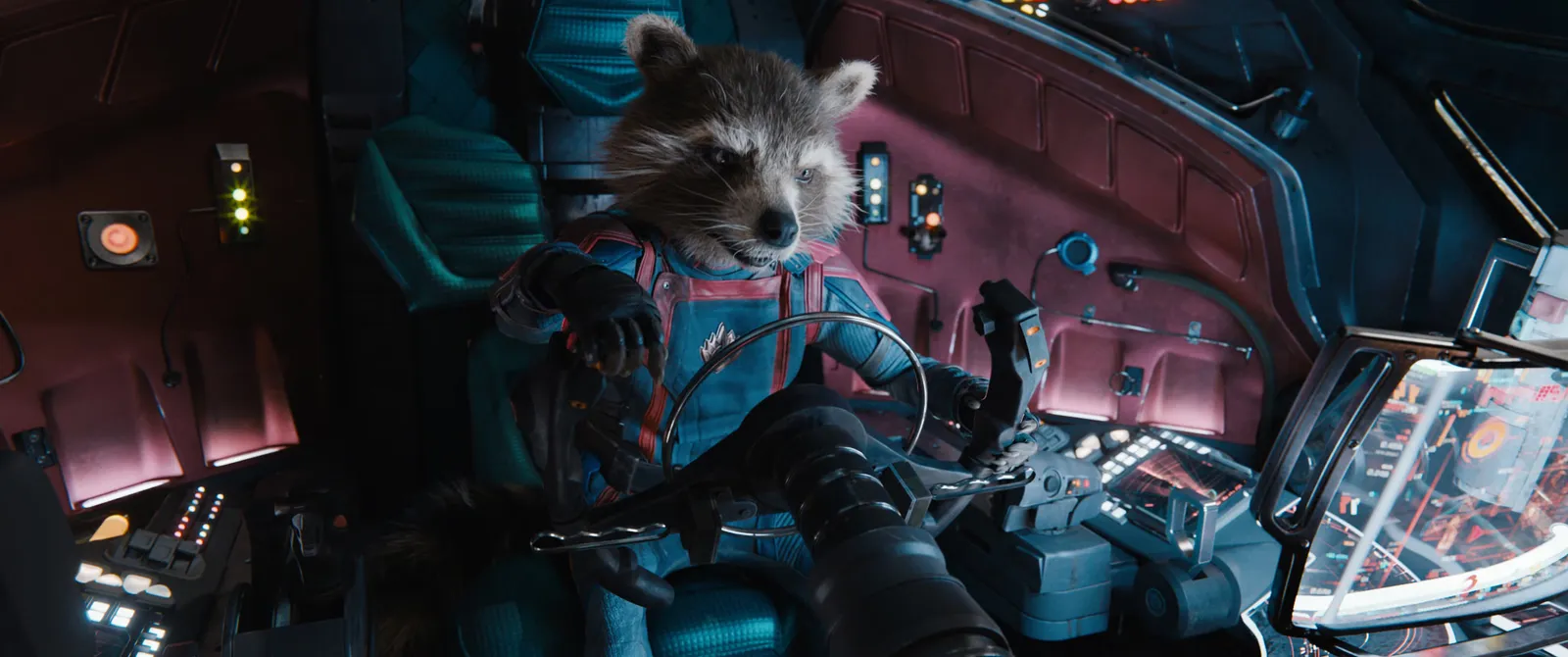
The headline stake is simple and concrete: Waldron is developing Nova. Polygon’s framing also ties the move to why Guardians landed so well in Marvel’s “new era” after Avengers: Endgame. 2023's Guardians of the Galaxy Vol. 3 is described as a high-water mark, and its appeal is credited, at least in part, to how disconnected the Guardians films are from the rest of the MCU. The team of misfits reportedly gets up to shenanigans outside of New York City and Earth, meaning it can build its own rules for tone and plot without constantly dragging viewers back to the MCU’s central geography and event machine.
If you zoom out, this is not just a creative preference. It is a franchise design choice with second-order effects on how audiences experience risk. Big cinematic universes are essentially trust systems. Viewers show up because they believe the story will deliver a certain kind of payoff, but they also tolerate experimentation when the “world” feels consistent. Guardians, as Polygon describes it, found a sweet spot: it stayed unmistakably Marvel, but it operated in a semi-independent bubble. That independence is a hedge against the MCU’s internal gravity. When a story is less tethered to Earth-centric plotlines and recurring MCU set pieces, it can more easily surprise without confusing.
Waldron’s involvement is part of the reason this feels like a strategic signal. Polygon points to him as the Loki creator and an Avengers: Doomsday co-writer. The MCU tends to reward writers who can manage both character voice and large-scale franchise momentum. Loki, for example, is not shy about narrative complexity and tonal shifts. If Nova is being developed by someone with that background, it suggests Marvel is looking for a solo vehicle that can carry big-universe implications without forcing every scene to audition for an ensemble-event plot.
There is also a business logic here that matters to executives and boards, even if your role is not directly approving story treatments. When a franchise has a “high-water mark” in its recent history, the market lesson is rarely “repeat the same movie.” It is usually “replicate the conditions that made the movie work.” In Polygon’s summary, those conditions include the Guardians films being “disconnected” from the rest of the MCU, letting the team operate like a contained universe. That is how you keep a solo project from becoming a homework assignment.
Now add incentives and governance. Studios operate with overlapping stakeholders: creative leadership, marketing, distribution partners, and internal franchise architects who care about continuity. A Nova solo movie built around a more insulated creative approach can reduce continuity friction. It allows marketing to sell a distinctive vibe without having to explain a dozen prerequisite events. It also gives product teams flexibility to build ancillary content, such as holiday specials or side adventures, which Polygon mentions as an example of the style audiences enjoy.
From a “regulatory background” standpoint, there is no mention of specific regulators in the source. Still, there is a practical reality worth noting: film and streaming distribution are subject to local ratings systems and content compliance norms. When a story is tonally distinctive and self-contained, compliance teams can evaluate it on its own merits rather than trying to map it onto constantly shifting franchise contexts. That can streamline review workflows, especially when franchise decisions are being made quickly to match release schedules.
For decision-makers in adjacent roles, the second-order implication is that Marvel is not only investing in characters, it is also investing in story operating systems. Guardians showed that a semi-independent corner of the MCU can deliver emotional returns even when the broader franchise is in motion. By developing Nova with a writer associated with Loki and Avengers: Doomsday, Marvel appears to be aiming for a similar balance: scale when needed, insulation when it counts. If your organization is building a multi-product portfolio, this is the same playbook. Don’t just make more content. Engineer the boundaries where quality is most likely to survive.
This story's Key Insights and Take-aways are locked.
Create a free account to unlock Executive Actions for one credit.
Register to UnlockAlways free for Executives Club members. Join the Club
More in Entertainment

12TB Steam 'teraleak' goes beyond Valve: GTA 3, Mafia 2 prototypes exposed
A 12-terabyte dump of Steam data reveals prototypes and builds of third-party classics like GTA 3 and Mafia 2, plus unreleased Valve content, rewriting game history.

LinkedIn's romance problem: 1 in 4 workers say dating on it is fair game
A new survey shows a quarter of U.S. employees treat the professional network as fair game for romance, even as LinkedIn bans it and removes hundreds of thousands of offending posts.

Enhypen's first No. 1 album breaks K-pop's Billboard 200 streak
The K-pop group's 98,000-unit debut tops the chart while Dolly Parton's catalog reentry shows how death reshapes streaming.