
Mick Jagger says “mad mogul Mr Musk” is “really a sidewinding compliment”
The Rolling Stones frontman disputes claims his lyric was an attack on Elon Musk, and explains why he wrote it.
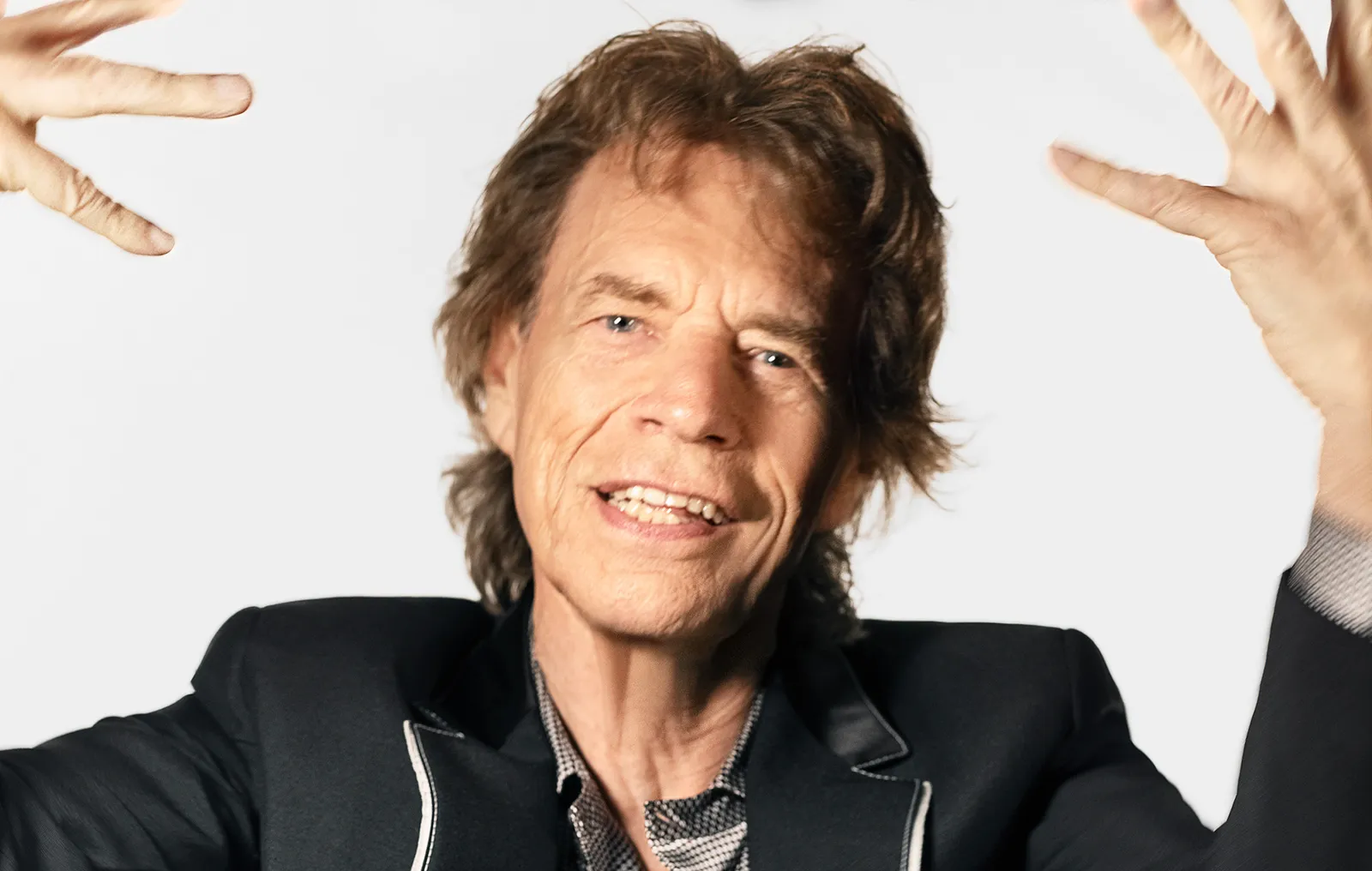
Mick Jagger clarified what his “mad mogul Mr Musk” line on The Rolling Stones’ new album Foreign Tongues is really about, saying it has been misread. For decision-makers watching the collision of culture, tech influence, and public narratives, the episode is a reminder: one word can hijack the entire message.
Mick Jagger has stepped in to clarify a lyric that plenty of Rolling Stones fans treated like a subtle Elon Musk takedown. On The Rolling Stones’ new album Foreign Tongues, Jagger sings: “Is it Boeing, is it NASA, is it mad mogul Mr Musk?” Many readers understood “mad mogul” as a jab at the Tesla billionaire. Jagger now says that interpretation misses the point.
Speaking to The New York Times, Jagger pushed back on reviews that wrote it as, in his words, “Mick Jagger has a go at Elon Musk.” He complained that commentators “hear one word, and they don’t really listen to the line, ‘Mick Jagger has a go at Elon Musk’, you’re not listening to the line. You’re just listening to Musk. That’s all you’re hearing.” Then he doubled down on the intended meaning: “It’s really a sidewinding compliment, because he was the one that I remembered was able to do that when the others couldn’t.”
So what did Jagger mean by “do that”? He explained he wrote the line from the perspective of childhood wonder, specifically the idea of wanting to go to Mars “as a kid.” He then posed the question at the heart of the song: “who would you really trust to get you into space.” In that framework, Jagger says “mad mogul” refers to the remembered moment when Musk enabled transportation in a context where NASA could not.
Jagger’s description ties directly to a specific public narrative that has circulated in the space industry and beyond: astronauts stuck because NASA “couldn’t provide the transportation,” with Musk enabling a solution by providing “transportation.” According to Jagger, that memory is why the line ends up feeling like a compliment from his vantage point, even if the phrase “mad mogul” sounds sharp on the page. He also acknowledges the risk of his word choice, admitting “I do call him mad,” and adding that “Mogul doesn’t always go down well either.”
That distinction matters because it exposes how easily a message can get hijacked by its loudest noun. In modern public discourse, audiences, reviewers, and headlines often skim for the named target, then map the emotional tone of a single phrase onto the entire work. Jagger’s frustration is basically editorial and behavioral: read the whole line, not just the name. In his framing, the song is not a one-note diss track; it’s part of a broader lyrical effort. Foreign Tongues, released last week, is the band’s 25th album, and Jagger examines “the state of America today,” with track “Mr Charm” specifically calling out Elon Musk by name.
This is also a useful reminder for executives and board members who deal with narratives as much as numbers. The space and tech sectors depend on trust: trust in systems, institutions, and the ability to deliver under constraints. Jagger’s lyric highlights a competition of credibility. He lists “Boeing” and “NASA,” then introduces Musk as the “mad mogul” candidate for whom the question lands differently because of a prior outcome. In other words, the lyric turns an attribution problem into a trust story, and when the public hears only “Musk,” they lose the rest of the argument.
Zoom out from the lyric and the album rollout shows how The Rolling Stones are building an information ecosystem around Foreign Tongues. The album includes collaborations with Paul McCartney, The Cure’s Robert Smith, Steve Winwood, and Red Hot Chili Peppers drummer Chad Smith, plus further posthumous appearances from Charlie Watts. The band also launched an official podcast series, Speaking In Tongues, to accompany the album. The six-part series is narrated by Norah Jones and features new interviews with Jagger, Keith Richards, Ronnie Wood, and Charlie Watts. For anyone tracking brand governance or audience strategy, that is a coordinated effort to reduce misreadings, because interviews and narration can steer interpretation before the internet does its thing.
And Jagger is not just reacting to Elon Musk discourse. He recently told NME that he is a fan of Sam Fender, hailing Fender’s album People Watching as “excellent,” and specifically calling out Seventeen Going Under as earlier work he liked. He also described working with Paul McCartney as “very easy.” NME gave Foreign Tongues three-and-a-half stars, with a review calling it “fresh and refined,” and noting that Jagger, Keith and Ronnie “have hit a surprising purple patch,” adding “plenty more left in the tank” if the band’s claim that Jagger is already writing for the follow-up is true.
The strategic stakes for leaders are simple: when a brand, product, or person gets named in a cultural artifact, the interpretation lifecycle begins instantly. Jagger’s correction shows that even a legacy icon can see a narrative freeze around a single phrase, and then spend time and attention trying to thaw it with context. For executives, investors, and operators, that means communications discipline matters. Words travel fast, but meaning is slower, and the gap between them is where reputational risk forms.
This story's Key Insights and Take-aways are locked.
Create a free account to unlock Executive Actions for one credit.
Register to UnlockAlways free for Executives Club members. Join the Club
More in Science

Alaska's 1,580-foot tsunami had warning signs. Scientists just found them.
Rapid glacier retreat, heavy rainfall, and thousands of tiny tremors preceded Alaska's 1,580-foot tsunami, a warning for every coastal community in a warming world.

The rare mutation that lets high-risk brains dodge Alzheimer's
Scientists found a natural defense against protein buildup, opening a new path to preventive treatments.

3,000 steps a day may halve Alzheimer's decline, study finds
New research links a modest daily walk to less tau buildup and nearly half the cognitive and functional decline, even for those with early signs.