

Microsoft raises Xbox Series X and S prices by $100+, blames RAM and storage costs
A $100+ bump signals where Microsoft thinks the cost curve is heading, and what console buyers will absorb next.
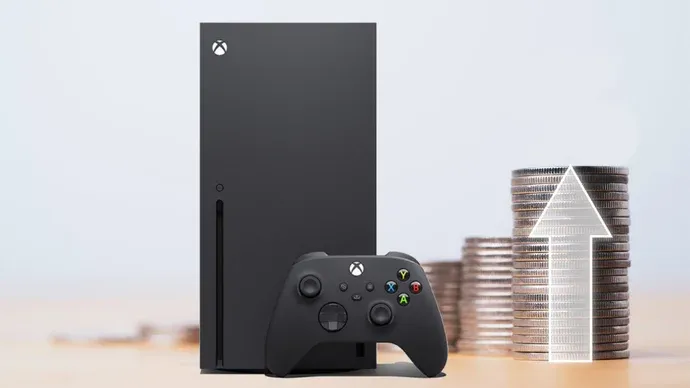
Microsoft has announced significant price increases of $100 USD and beyond for its Xbox Series X/S consoles, citing rising memory and storage costs. For decision-makers, the move is a live signal that hardware margins are being pressured by upstream component pricing.
Microsoft is turning up the sticker price on Xbox Series X and S. The company announced significant price increases of $100 USD and beyond for its consoles, and it is pinning the change on rising costs for memory and storage.
That $100+ figure matters because it is not a small tweak, and it is not being framed as a limited promotion or a region-specific glitch. It is a direct price move tied to two very specific inputs: RAM (random access memory) and storage. In console economics, those inputs feed performance and user experience, but they also sit upstream of a company’s ability to keep margins intact. When a major platform owner says the cost structure shifted enough to justify a retail price increase, it is essentially telling the market it can no longer eat the difference.
To understand why this lands as more than a consumer story, zoom out one step. Consoles are a rare consumer hardware category where the manufacturer does not just sell devices. The platform owner also monetizes the installed base through subscriptions, digital storefront revenue, first-party games, and third-party licensing economics. When you change the console price, you can influence how quickly customers enter the ecosystem, how many units move at launch windows, and how willing buyers are to upgrade on schedule.
And this is where Microsoft’s stated culprit, memory and storage costs, becomes strategically revealing. These components are not decorative. RAM impacts how games can run and how smoothly assets stream, while storage affects capacity, load behavior, and the overall usability of the system for current and upcoming game sizes. So blaming RAM and storage is not just “components got more expensive.” It is a claim about the cost of maintaining the technical baseline at the heart of the product.
There is also a broader market subtext here: when input costs rise, every part of the chain tries to shift that pain somewhere. Retailers may hope the manufacturer absorbs more, investors may pressure management to protect margin, and customers respond by delaying purchases if the price jump feels immediate and unwarranted. Even when the explanation is straightforward, the decision has a harder second layer. Price increases can change demand patterns, and demand patterns can change bargaining power for the next refresh cycle.
So what does Microsoft’s move imply for executives and boards watching from the sidelines? It implies that upstream cost volatility is showing up at the consumer shelf, not just inside earnings reports. If memory and storage costs have climbed enough for Microsoft to raise prices by $100 USD and beyond, peers in adjacent hardware categories should assume similar pressure points could emerge in their cost models. In plain English: you can plan for new releases, but you cannot fully firewall your product strategy from what happens to the supply chain.
It is also worth noting how these moves can reshape competitive dynamics. In any platform battle, the user’s decision is rarely only about specs. It is about what the ecosystem delivers for the money. A price increase tests that value proposition. Even if the underlying technology did not change, the perceived “deal” changes overnight. That can affect how quickly new buyers join, which matters because network effects in gaming are real. More players enable a denser community, which attracts more content, which helps reinforce the platform’s pull.
Finally, there is the question boards always ask: is this a one-time adjustment or a sign of a sustained trend? The source ties the increase directly to rising memory and storage costs, which suggests Microsoft believes the cost pressure is not fleeting. For decision-makers, the strategic stakes are twofold. First, pricing actions are fast, but margin recovery and demand normalization are slower. Second, if input costs remain elevated, management teams may have to revisit pricing, bundles, or hardware configurations to keep the business viable.
Bottom line: Microsoft has announced $100 USD and beyond price increases for Xbox Series X/S, and it is attributing the move to higher RAM and storage costs. For peers, this is a reminder that the cost curves behind consumer technology can force retail decisions, even when the platform strategy depends on keeping the entry price easy for customers.
This story's Key Insights and Take-aways are locked.
Create a free account to unlock Executive Actions for one credit.
Register to UnlockAlways free for Executives Club members. Join the Club
More in Entertainment

Russell Brand's accuser 'bewildered and confused' as he denies 7 sex charges
The criminal case against the comedian is a live test of how media companies manage talent risk when serious allegations go public.

'It's a Magic Trick': Ballet Experts Say Rosalía's SNL Pose Is Impossible
Three ballet experts tell Rolling Stone Rosalía's gravity-defying SNL stillness shouldn't be possible - and why the debate is now part of the show.

Activision CMO: GTA 6 Will Boost Call of Duty, Not Bury It
Activision's top marketer says Rockstar's blockbuster will drive players back to consoles and into Modern Warfare 4, even as the company admits its recent strategy failed.