

Microsoft’s 2025 carbon emissions jump 25% to 34M tons, despite “without select interventions”
Microsoft reports a 25% increase in 2025 emissions in its 2026 sustainability report, and executives now have a credibility problem.
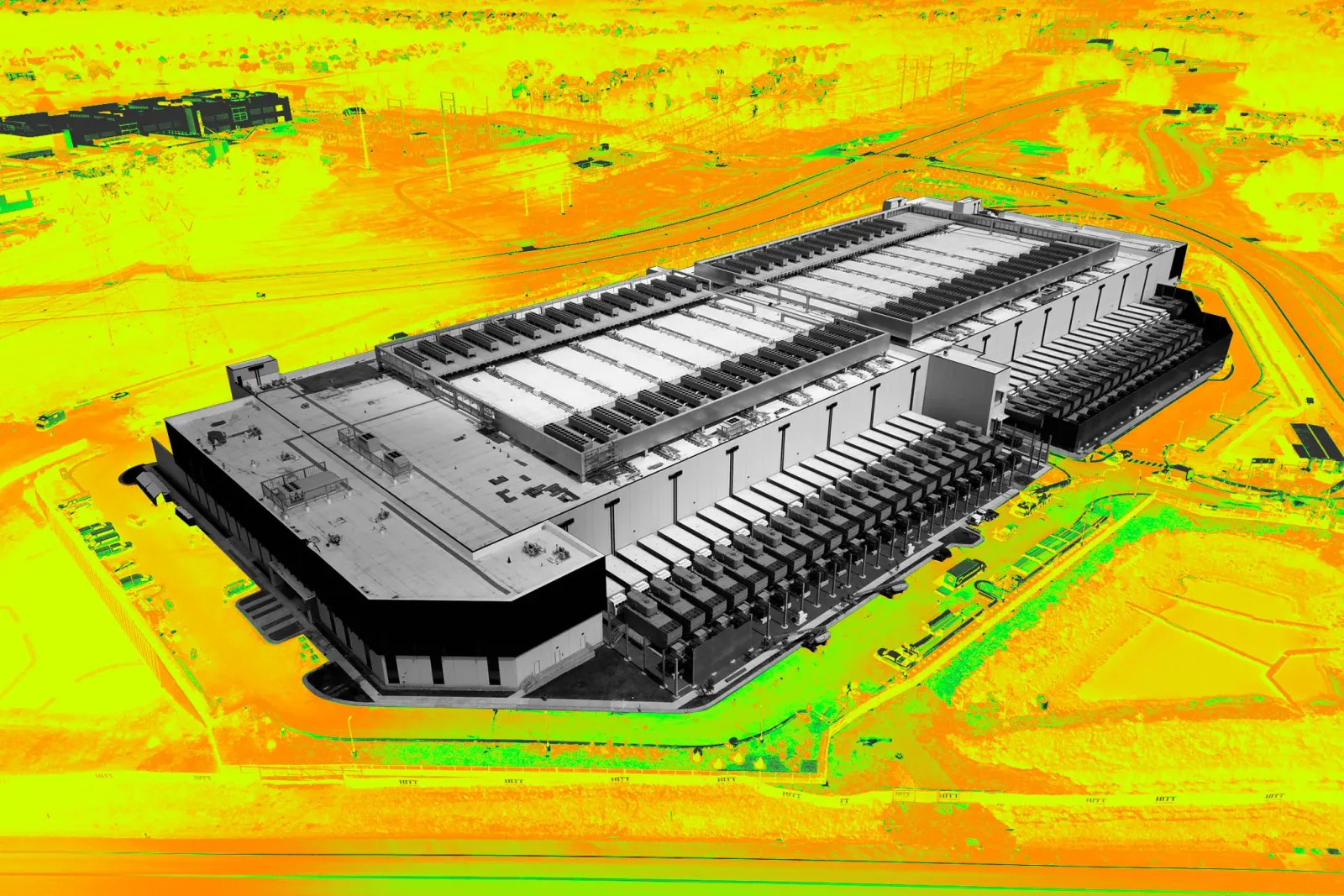
Microsoft says its carbon emissions increased 25% in 2025, reaching 34 million metric tons, in its 2026 sustainability report. For decision-makers, the key consequence is that progress toward carbon negativity by 2030 is getting harder, even as datacenter buildouts continue.
Microsoft may once again be struggling to keep up with its own climate goals. In its 2026 sustainability report, the company says its carbon emissions increased 25% in 2025, totaling 34 million metric tons “without select interventions.”
Microsoft also points to why the number moved: the report says the increase was “driven primarily by the expansion of our datacenter infrastructure.” It adds a second driver as well, noting that last February it stopped purchasing “non-additional, unbundled renewable energy certificates.” Put together, this is not a small spreadsheet wobble. It is a very public mismatch between what Microsoft is trying to promise and what its operating footprint delivered.
To understand why this matters beyond one headline, you need the industry reality: for cloud and AI companies, emissions are often inseparable from compute growth. Datacenters do not scale down neatly just because a sustainability report needs a nicer chart. As infrastructure expands, energy demand follows, and emissions rise unless you can offset that growth at the same pace. Microsoft’s own explanation basically admits the central tension. Even when you change how you buy offsets or certificates, absolute emissions can still climb if power use grows faster than mitigation.
The “without select interventions” phrase is doing a lot of work here. It signals that Microsoft is presenting a baseline that does not rely on special maneuvers to make the trend look better. That wording matters for how investors, customers, and regulators will interpret the report. When sustainability disclosures start using language like “without select interventions,” the audience is implicitly asking, “Okay, then what are you doing structurally, and what is just optional?” That is the difference between a marketing narrative and a measurable operations plan.
Then there is the certificate decision. Microsoft says last February it stopped purchasing “non-additional, unbundled renewable energy certificates.” The words “non-additional” and “unbundled” are technical, but the practical effect is simple: it signals Microsoft adjusted its approach so it would not rely on certificates that do not represent new renewable generation. In other words, Microsoft appears to be prioritizing quality over convenience. But if you stop buying certain credits, you can see emissions increase immediately, even if your long-term direction is better. That is the kind of trade-off that can look bad in the short term and still be the right move for credibility.
Microsoft’s broader goal adds more pressure. Several years ago, the company set itself a goal to be carbon negative by 2030, meaning it will need to remove more carbon emissions than it emits. Carbon negative is a higher bar than “net zero.” It is not just about balancing what you add. It is about pulling extra carbon out over time. When emissions rise 25% in a single year to 34 million metric tons, it can force an uncomfortable question for anyone managing climate commitments: are the removal plans scaling at the same speed as the footprint?
This is where the boardroom dynamics kick in. Sustainability targets are increasingly tied to risk management, procurement expectations, and the reputational cost of missing promises. A jump like this does not automatically mean the strategy is failing. But it creates a pattern that auditors, regulators, and stakeholders can scrutinize. If disclosures show volatility, companies may need to demonstrate that mitigation is not just a certificate strategy, but an infrastructure and energy strategy.
It also hits peers who are wrestling with similar math. Any executive building or expanding datacenters has to answer the same core tension: growth drives emissions, mitigation takes time, and stakeholders demand proof now. Microsoft’s report gives other companies a template for how the story gets told. It shows that even with changes to renewable certificate purchasing, emissions can still increase when datacenter expansion dominates. For leaders at cloud providers, semiconductor firms with power-hungry customers, and large-scale operators of compute, that is a cautionary signal. Your emissions trend may be less about what you plan to do later and more about what is actually running today.
This story's Key Insights and Take-aways are locked.
Create a free account to unlock Executive Actions for one credit.
Register to UnlockAlways free for Executives Club members. Join the Club
More in Business

BioWare shuts down, Mass Effect 5 dead after $55B EA buyout
The legendary RPG studio's closure lands months after a $55 billion investment group buyout of EA, raising tough questions for gaming's biggest acquirers.

Musk barred from the room as Tesla, SpaceX boards weigh $3.5 trillion merger
The CEO of both companies is a 'conflicted party' watching independent directors negotiate a tie-up that would create a $3.5 trillion giant he would own about a third of.

Elon Musk just showcased a flying car - and it wasn't at Tesla
The Tesla CEO's latest reveal came at SpaceX, not Tesla, signaling where vertical mobility is headed.