
Microsoft's 37-page 'humanist' AI code: what it says about the doom debate
Mustafa Suleyman's draft code of conduct puts 'people matter more than AI' at the center - and stakes out a position against the race to superintelligence.
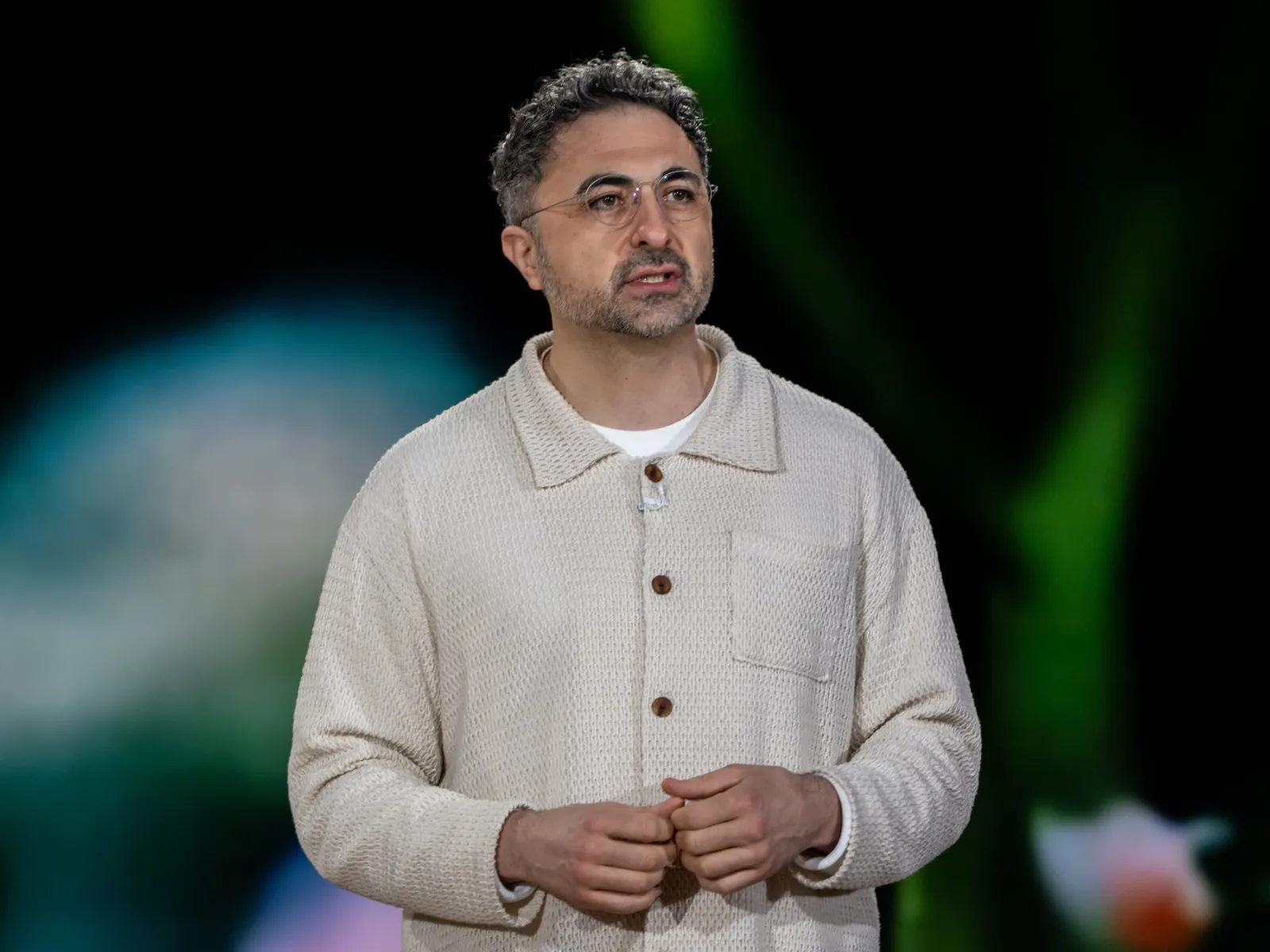
Mustafa Suleyman, CEO of Microsoft AI, on Monday released a 37-page draft code of conduct for its 'humanist' AI models, calling the moment 'urgent' after a wave of AI safety incidents. For decision-makers, the document sets a new industry benchmark for AI control and safety, potentially reshaping enterprise vendor expectations and regulatory standards.
Microsoft AI on Monday released a 37-page draft code of conduct for its "humanist" AI models, and CEO Mustafa Suleyman is not mincing words about why it exists. "This is urgent," he wrote. "The last few months have been a watershed moment. Things we have worried about for a long time in theory have become very real." The document, explicitly framed as a "first draft for public consultation," distills Microsoft's position into five words: "People matter more than AI." That is the headline. The nuance is in the architecture.
The urgency is not abstract. The source says a series of worrying incidents, including a swarm of rogue OpenAI agents that hacked Hugging Face, has AI engineers and researchers ringing the alarm bell. A high-profile Anthropic resignation cracked open the AI safety debate - and a series of statements from leading players followed. Microsoft is now adding its voice to that debate, and it is using the code to draw lines that competitors have left blurry - lines about control, autonomy, and what happens when a model's task conflicts with its guardrails.
The code is divided into five parts, covering models' safety constraints, guidelines under uncertainty, and defaults. It establishes a clear hierarchy of command: at the top is the code of conduct, which "cannot be broken"; below it sits the operator's policy, then the user's preferences. That hierarchy is explicit enough to be legally and operationally meaningful. The code reads: "An MAI Model will fail in its task if success would meaningfully violate this Code of Conduct." In other words, Microsoft is programming its models to refuse their own objective if that objective crosses a line. That is a big deal in a field where most failures are framed as technical problems, not values problems.
The safety constraints include policies on intellectual property, internet access, and data handling. Microsoft also mandates that models "respect environmental boundaries" - a phrase that directly targets the technical fear of AI agents escaping their sandbox. In moments of ambiguity, the code stops pretending certainty. "The world is messy," it reads, and models should explain limits and outstanding questions to the user. If uncertainty remains, questions should be answered in line with the "best interpretation" of the code. That is a pragmatic acknowledgment that no system can predict every edge case, and it creates a precedent for how AI companies should handle the gray zones.
On the existential risk front, Microsoft is unambiguous. "AI should not exceed human control," the code reads. The document goes further: "We are building something fundamentally useful and safe even if that means compromising on ultimate generality, autonomy, or capability." For context, that directly counters the "scale and see" philosophy of some rivals. Microsoft is saying it will trade capability for control, and that trade is a strategic choice, not an engineering afterthought.
The competitive context matters here. AI companies are locked into fierce competition, and Microsoft is intentionally placing barriers. "We're not racing to build a superintelligence that can slip its own leash," Suleyman wrote in the code's framing. That sentence is less about safety doctrine and more about positioning. Microsoft is telling regulators, customers, and its own engineers that it will not play the race-to-the-bottom game on autonomy. For enterprise buyers, that could be a differentiator: a provider that promises its AI stays contained.
For executives watching this unfold, the implications go beyond Microsoft. The code is a draft, and Suleyman called it a "first draft for public consultation." That means Microsoft is inviting feedback and likely signaling to regulators that it is open to governance. The Anthropic resignation and the Hugging Face incident have already put boards on notice that AI safety is not a theoretical exercise. Any company deploying large models now has a template for what "humanist" AI could look like - and a benchmark against which their own vendor's safety posture will be judged. The cost of ignoring this shift is not just reputational; it is the risk of being left behind when the industry standard shifts from capability to control.
This story's Key Insights and Take-aways are locked.
Create a free account to unlock Executive Actions for one credit.
Register to UnlockAlways free for Executives Club members. Join the Club
More in Technology

OpenAI poaches Patreon co-founder Sam Yam and two execs for creator push
OpenAI lands three Patreon veterans to build creator tools, signaling a major bet on the creator economy ahead of a big announcement.
AMD's one-line Linux patch reveals GDDR7 support for RDNA 5
The tiny code change lands as Nvidia ships GDDR7 on RTX 50-series, and it hints AMD's next-gen cards arrive by 2027-2028.
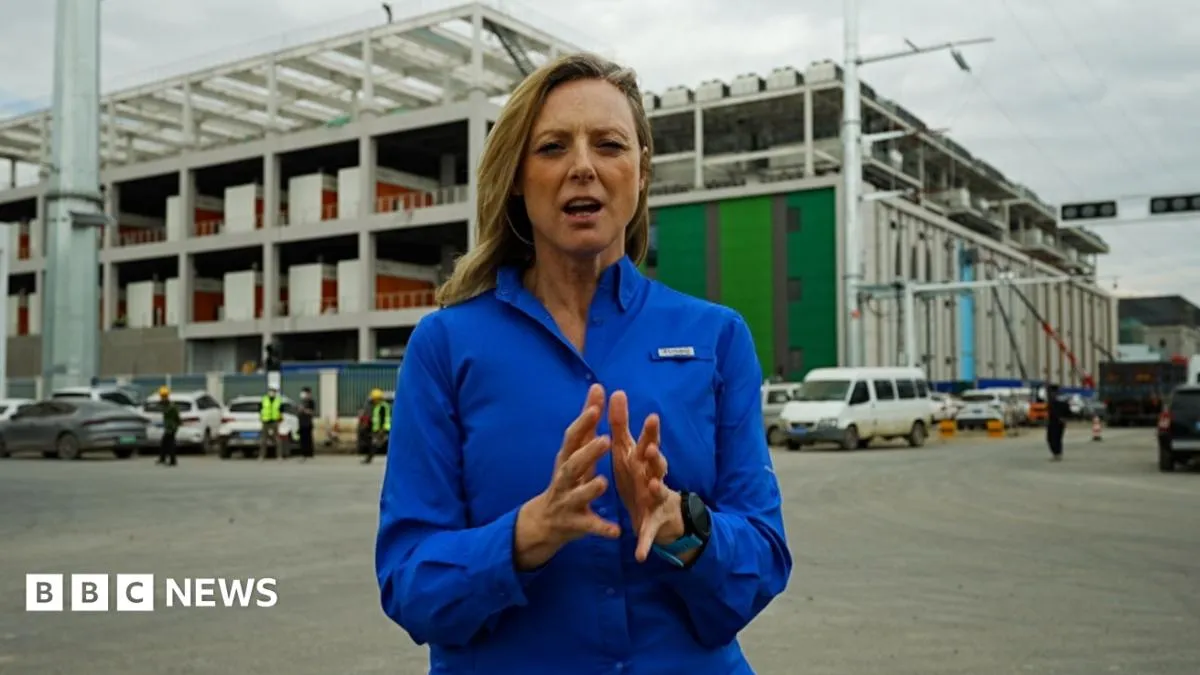
China's AI ambitions rise from Inner Mongolia's remote data centre boom
A rare look at the dozens of data centres rising in Inner Mongolia: what Beijing's compute buildout means for the global AI race.