
MMG raises US$1.6B in stock sale and convertible bonds to fund metal expansion
The offshore China Minmetals unit targets HK$6.27B, betting AI-driven demand will keep pulling on copper, zinc, and gold.
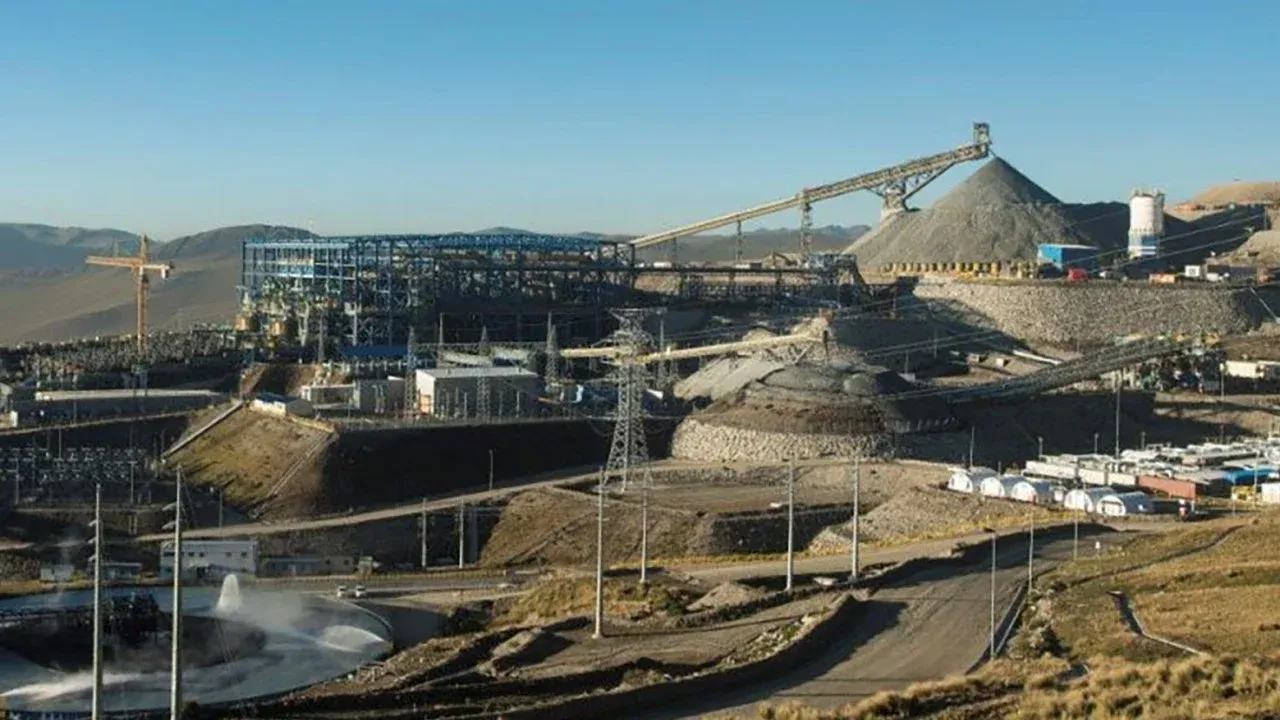
MMG, the offshore metal-producing unit of state-backed China Minmetals Corp, plans to raise a combined US$1.6 billion by selling placement shares and convertible bonds for business expansion. For decision-makers, the deal signals how major metal producers are funding growth just as AI infrastructure buildout lifts demand expectations.
MMG, the offshore metal-producing unit of state-backed China Minmetals Corp, is moving quickly to raise US$1.6 billion through a mix of placement shares and convertible bonds, explicitly to fund business expansion. The company says the timing is tied to rising demand for metals, with AI infrastructure buildout a key driver. In other words, this is not a “maybe we invest someday” funding plan. It is a defined capital raise meant to translate market momentum into operating scale.
The stock part of the plan is already quantified: MMG planned to raise HK$6.27 billion, equivalent to US$800.4 million, from a placement of 705.9 million shares through the Hong Kong stock exchange. Alongside that, MMG also planned to sell convertible bonds as part of the same combined US$1.6 billion package. Taken together, the financing structure matters because it blends immediate equity funding (the placement shares) with a liability that can later convert into shares (the convertible bonds), giving MMG flexibility in how it manages its balance sheet while it expands.
Zoom out for a second and the logic becomes clearer. Metals producers typically operate with heavy, capital-intensive businesses where expansion means more than just signing a contract. It can mean funding growth in production capacity, supply chain capabilities, and commercial outreach. When demand expectations shift upward, the industry tends to respond by attempting to lock in scale early, before competitors absorb the best opportunities. Here, MMG’s stated demand backdrop is linked to AI infrastructure buildout, which is a shorthand for the broader build cycle around data centers, power systems, and network equipment that consume large quantities of metals.
MMG’s product mix is also part of why investors should care. The company produces metals including copper, zinc, and gold. Copper is often treated as a bellwether metal for electrification and infrastructure, zinc tends to track construction and galvanization needs, and gold is frequently viewed differently as a store-of-value commodity. By naming multiple metals, MMG is effectively signaling that it is not betting the entire expansion thesis on a single commodity line item, even if the market narrative right now is dominated by AI-related infrastructure demand.
From a capital markets perspective, the choice of a Hong Kong placement and convertible bonds tells a familiar story about how large issuers fund growth while managing the near-term optics of dilution. Placement shares can bring in cash quickly, and the numbers here are concrete: 705.9 million shares, HK$6.27 billion, and US$800.4 million. Convertible bonds, meanwhile, can be structured to be less immediately dilutive than straight equity, depending on terms. For boards and CFOs, that matters because it changes how you think about leverage, investor mix, and how quickly shareholders bear the impact of the fundraising.
There is also a governance and stakeholder layer because MMG is described as a unit of state-backed China Minmetals Corp. In many state-connected setups, funding decisions can be influenced by industrial policy goals and long-term positioning, not only pure short-term market timing. That does not mean investors should ignore market forces. It means they should treat this raise as both a corporate financing event and a signal of how a major group intends to align with demand cycles. When AI infrastructure is presented as a tailwind for metals, it can also change how investors benchmark the group versus other commodity producers that may not be making similarly aggressive capital moves.
Finally, consider the strategic stakes for peers. A US$1.6 billion combined raise is big enough to affect sentiment across the metals sector, because it implies management expects demand strength to persist long enough to justify expansion spending now. If MMG can scale production and supply into a period of higher demand, it could reinforce its position across copper, zinc, and gold. If it cannot, the consequences could be harsher, because expansion funded through capital raises tends to increase fixed obligations and execution pressure. Either way, the decision sets a reference point that other executives and boards will watch: how quickly leaders are converting AI-linked demand narratives into balance-sheet action.
For decision-makers evaluating similar opportunities, MMG’s plan is a reminder that the most important question is not whether demand could rise. It is whether the financing structure and timing can support expansion without creating avoidable balance-sheet stress.
This story's Key Insights and Take-aways are locked.
Create a free account to unlock Executive Actions for one credit.
Register to UnlockAlways free for Executives Club members. Join the Club
More in Business

Gina Rinehart backs SpaceX with a $1B+ stake after its $2.5T debut valuation
The Aussie mining billionaire just put Hancock Prospecting behind Musk's rocket-and-satellite combo, and markets noticed.
Fox agrees to buy Roku for $22B, paying $160.00 per share
What looks like a simple streaming bet is actually a $22 billion corporate reshuffle with board and regulatory gravity.

Mena construction CPMI slips 12% in April 2026, but execution momentum rebounds to 1.01
GlobalData’s April CPMI shows resilience masking pre-execution caution, with conflict risk surfacing unevenly by country and sector.