

Mojtaba Khamenei inherits a system built by his father for decades
The new supreme leader takes over an order his father shaped, meaning continuity may be the real surprise.
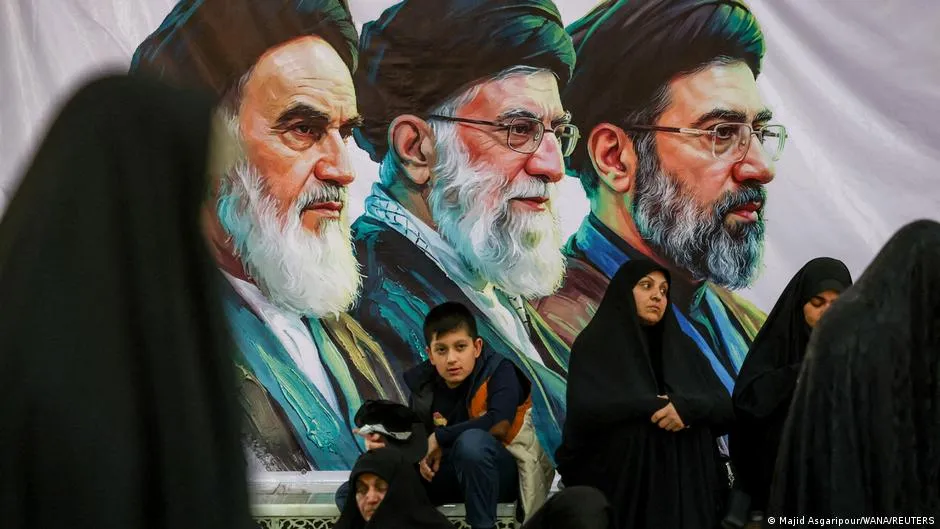
Mojtaba Khamenei has become Iran's new supreme leader, inheriting a political system his father spent decades building and shaping. For decision-makers, that continuity signal matters because it shapes how power, policy, and risk likely evolve next.
Mojtaba Khamenei is now Iran's new supreme leader, and the first thing to understand is what he is inheriting. The political system around him did not spring up overnight. His father spent decades building it and shaping it in his own image.
That matters because when the Supreme Leader changes hands, the question is not only who has the title. It is whether the underlying operating system changes too. In this case, the source points to continuity at the core: a mature structure designed over decades by the previous leader, with institutions and incentives that reflect that long work. So the biggest stake for anyone watching Iran is not sudden chaos. It is the possibility of a new era with the same blueprint, meaning changes that are incremental, procedural, and power-maintenance focused rather than revolutionary.
To make sense of why this is a big deal beyond Iranian politics, look at how such systems tend to behave. When a country runs on a long-built political architecture, it usually develops layers of decision-making that are difficult to unwind quickly. Roles, channels, and alliances get tested over time, not invented from scratch. Over decades, that kind of governance accumulates routines. Even when leadership changes, those routines can keep functioning because the system's “muscle memory” remains.
For external stakeholders, continuity can be both reassuring and risky. Reassuring, because a system stabilized by decades of design is less likely to lurch unpredictably. Risky, because continuity can lock in policy patterns that international counterparties have to plan around for years, not months. In markets, that translates into uncertainty not about whether the leadership will act, but about how predictable its constraints and priorities will be.
Now zoom out to the governance logic inside Iran's political order. A system “built and shaped” by a leader over decades typically concentrates authority while distributing tasks across institutions. That distribution matters because it reduces the single-point failure problem. Even if one individual changes, the system can still coordinate. That is exactly why the source frames Mojtaba Khamenei as inheriting the system his father built, rather than inheriting an empty stage.
Second-order implications follow from that. If the system is a legacy, then those inside the system likely treat change as something to manage carefully, not something to break. Institutions and power brokers that benefit from continuity will have incentives to preserve the architecture. At the same time, anyone hoping for a “new order” will be pressured to work within the inherited rules rather than outside them. That dynamic can create a political environment where the official narrative might shift in emphasis, but the structural incentives remain anchored.
For boards, investors, and operators making country-level risk decisions, this is the difference between forecasting a swing and forecasting a drift. When leadership inherits a decades-old model, scenario planning should lean more toward gradual evolution. That affects everything from compliance planning and sanctions exposure to supply chain resilience and partnership decisions. You do not just ask, “Will the new leader change policy?” You ask, “How durable are the constraints his father helped set in place, and which levers are actually adjustable from inside the system?”
Strategically, the key point is that the source describes continuity as the default mode. Mojtaba Khamenei, as the new Supreme Leader, inherits a political system his father spent decades building and shaping in his own image. In other words, the transition is happening within a framework already designed to endure. For anyone tracking Iran, the real question is not whether the order will change at all. It is how much the inherited blueprint will hold, and where the pressure points are for the next phase of governance.
This story's Key Insights and Take-aways are locked.
Create a free account to unlock Executive Actions for one credit.
Register to UnlockAlways free for Executives Club members. Join the Club
More in Politics
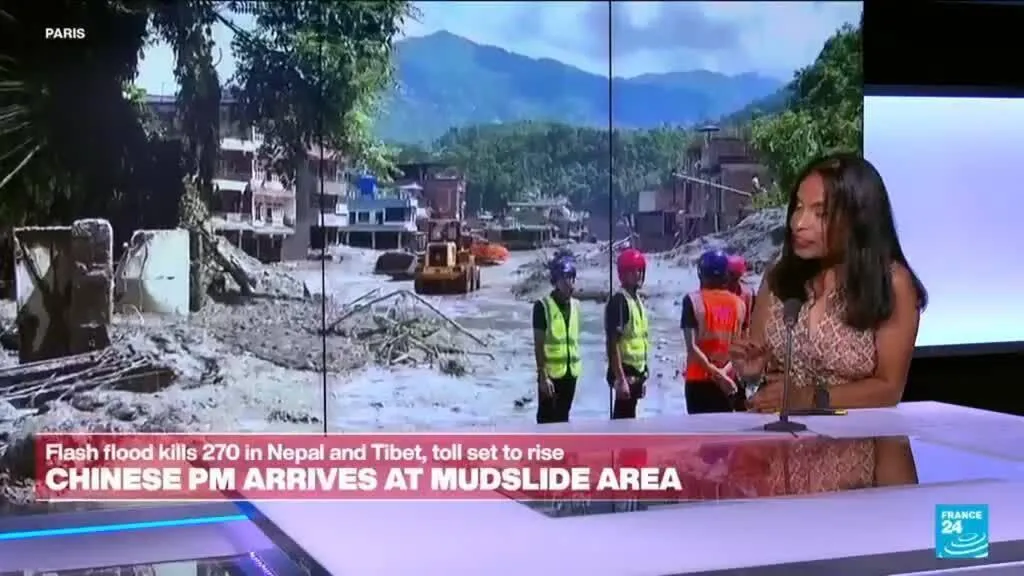
Glacial collapse, not rain, killed 180 in Nepal's Himalayan flood
The Himalaya's extreme geography hid the true cause of Nepal's catastrophic flood, a glacial collapse that turned a geological battleground into a mass-casualty zone.
Iran’s Esmail Baghaei says Oman talks start shipping via Hormuz, not US talks yet
Temporary route plans with Oman aim to restart commerce while Tehran says Washington dialogue is not on the table.
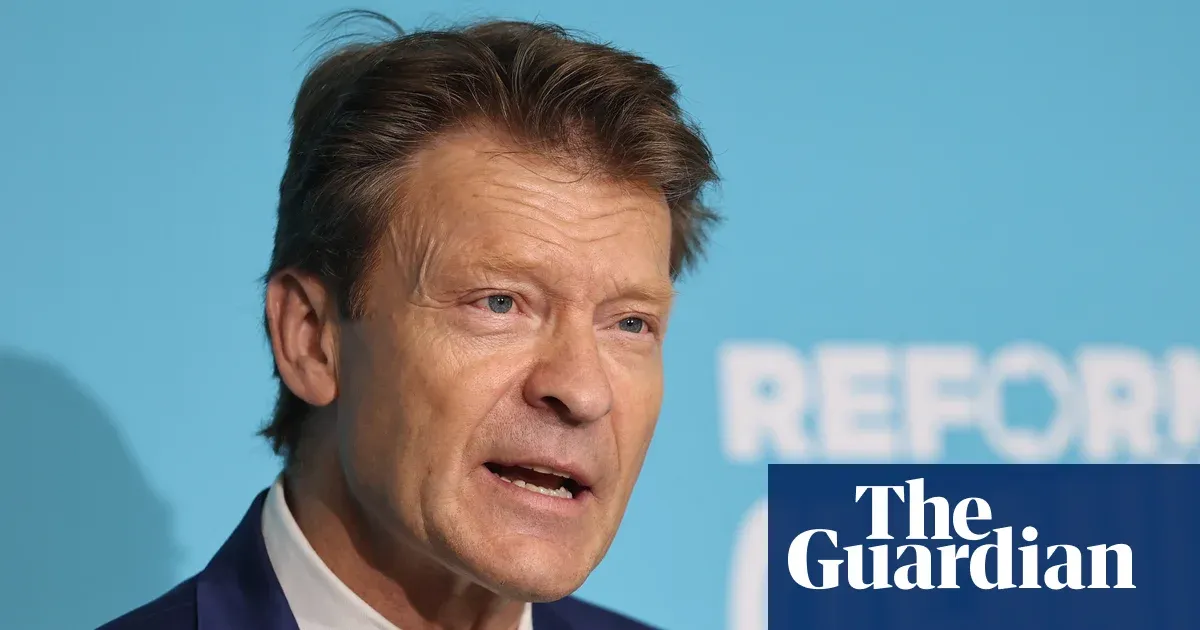
Standards watchdog opens probe into Reform UK deputy leader Richard Tice over interests
The parliamentary standards commissioner says it began an investigation on 28 July into a possible undeclared interest.