

Montana’s Alani Bankhead and South Dakota’s Julian Beaudion refuse to quit for independents
Both Senate Democratic hopefuls say only a “lightning bolt from God” would end their races, even as party leaders beg for an exit.
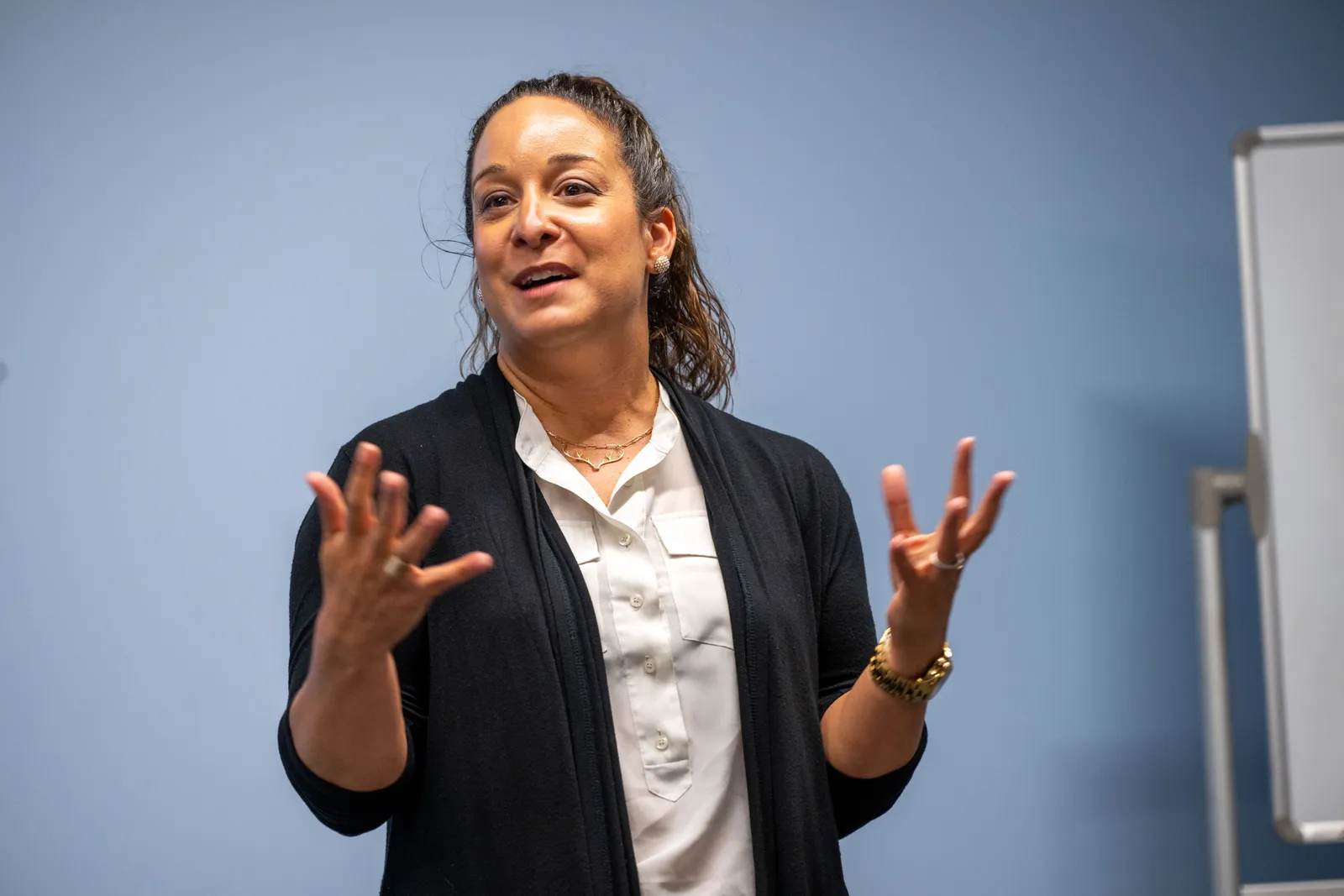
Alani Bankhead in Montana and Julian Beaudion in South Dakota told POLITICO they have no plans to step aside for independents Seth Bodnar and Brian Bengs mounting serious Senate campaigns. The standoff threatens Democrats' chances to regain Senate control, and forces both national and state party strategists to choose between party brand and seat math.
Democrats Alani Bankhead of Montana and Julian Beaudion of South Dakota are drawing a hard line: they will not drop out to make room for independent challengers Seth Bodnar and Brian Bengs. When POLITICO asked Bankhead what could change her mind, she answered with faith and stubbornness: “I'm a person of faith. If a lightning bolt from God struck me and was like, ‘Alani, get out of the race,’ sure.” Otherwise, she said there’s “absolutely nothing.” Beaudion was equally blunt, telling POLITICO: “To be clear, we are not considering dropping out of the race.”
This matters because the calls to step aside are not casual. Democrats across the ideological spectrum in Washington and in their home states have been pressuring Bankhead and Beaudion to exit, arguing that keeping Democratic candidates on the ballot makes it “almost impossible” to claw these deep-red Mountain West seats away from Republicans. The argument is brutally straightforward: in 2024, President Donald Trump dominated in these states, and multiple polls plus stronger fundraising and campaign operations have helped independents Bodnar and Bengs build a stronger path to victory, even if the race is “still muddied.” If Democrats stay on the ballot, party leaders believe the GOP gets two vote lanes to defend instead of one.
Behind the drama is a timeline shaped like a trap. The deadline to withdraw in South Dakota is Tuesday, and Montana’s is shortly after on Aug. 10. That scheduling pressure is the point: it forces decisions quickly, before campaign war chests and ballot logistics harden into irreversible outcomes. In the meantime, Democrats are making the case that a crowded field relinquishes victory odds, not just vanity.
Independents are getting the clearest argument from Democrats who think voters in these places want a break from the Democratic label. Bengs has argued that Beaudion remaining on the ballot jeopardizes his chance of winning against GOP Sen. Mike Rounds. Bodnar, meanwhile, has maintained he has a viable path either way, and he could be helped if the Libertarian candidate pulls votes from Republican Kurt Alme. In plain English: Democratic strategists see a spoiler problem they think they can reduce. Independent backers and some Democrats see better odds with an exit. But Bankhead and Beaudion are refusing to cooperate with the exit narrative.
That refusal turns the party’s internal math into a reputational fight. Matt Bennett, co-founder of the centrist Democratic think tank Third Way, framed the logic as “inescapable”: if it’s impossible for a Democrat to win, Democrats should step aside and give the independent “at least a shot” at beating the Republican. Bennett’s line is also a signal of how Democrats are thinking about Senate control, not just local outcomes. “Beating the MAGA Republicans is priorities one, two and three. Who we beat them with is pretty far down the list.”
And Bennett is not alone in pushing a harsher version of the pitch. Nancy Keenan, former executive director of the Montana Democratic Party, wrote in a June op-ed that “there is not a viable path for a Democratic victory in this race.” Bennett went further if Democrats fail to flip the Senate in November, saying the blame would land on Bankhead and Beaudion. “If we fumble away a majority because these no hope candidates are too vain to get out of the race, that'll be a political calamity,” he said. “These people need to understand that they will become pariahs.”
Bankhead’s answer flips the framing back to principle and power dynamics. She doesn’t see this as a strategic chess match designed to maximize seats. She says she’s not chasing status. “I'm not swayed by it because I'm not here for power and money,” Bankhead said. Instead, she argues that old DC political circles are trying to keep “more progressive candidates out of the fight” so they can maintain the status quo. That’s a familiar insurgent-versus-establishment tension, except here it’s happening in real time, with deadlines and ballot lines as the battlefield.
The national political equivalent of market positioning is also at work. Democrats have tried similar tactics in other Trump-won states, where the party decided that the best way to help an independent was to step aside entirely. In Nebraska, the Democratic candidate withdrew to pave the way for independent Dan Osborn, though an ongoing court case from a Democratic anti-abortion pastor could complicate things. In Idaho, the Democratic nominee recently dropped out in favor of independent Todd Achilles. Achilles described it as hard to accept the limit of a campaign: “Knowing that your campaign is not gonna break through, and just being able to recognize that is probably the hardest thing of all.” He added, “I do appreciate what David did in Idaho.” Those are not the words of a campaign manager talking strategy. They are the words of someone trying to reconcile ambition with inevitability.
Still, not every Democratic voice is calling for an exit on the same terms. Faiz Shakir, longtime adviser to Sen. Bernie Sanders (I-Vt.), did not call for Bankhead and Beaudion to step aside. But he agreed that independents have real opportunity because they are not stuck with the Democratic brand in states where the label itself can be toxic. “Being someone who's not associated with the two-party system right now helps you greatly in many parts of this country, particularly those that have much more rural and conservative tendencies,” Shakir said. “There's frustration and anger with Trump, and there's not as much of a love and appreciation for the Democratic Party.” Shakir also warned his party about a different kind of risk: talking too much about independents’ fundraising and establishment backing could make them look like a “donor class” product, turning them “into a worse version of what people assumed of a Democrat.”
Second-order implications are already showing up in how Republicans are responding. Republicans are working to paint independents and Democrats as one and the same, while also elevating Democrats in a bid to blunt independent traction. Trump on social media attacked Bankhead in July, ignoring Bodnar entirely. Joanna Rodriguez, communications director for the National Republican Senatorial Committee, said in a statement: “Democrat-backed independents all support the same socialist policies and middle-class tax hikes that made Democrats toxic across the country. Republicans will defeat them in November.” That’s classic coalition management, but it has a practical consequence: if Democrats stay on the ballot, Republicans can argue there is no genuine differentiation, and they can keep their messaging simple.
For executives, investors, and operators watching this from the outside, the strategic stake is larger than a pair of races. Senate control is not a trophy. It determines committee power, legislative bandwidth, and which policy fights get fast-tracked. Here, the Democratic Party is effectively debating whether brand dilution is acceptable collateral damage, or whether it’s morally and strategically correct to keep candidates in until votes prove otherwise.
Bankhead and Beaudion believe votes can still surprise everyone. “Nobody ever knows what’s actually going to happen in an election,” Bankhead said. “The people decide on November 3.” But other Democrats already sound like they’re writing the autopsy. If the party’s Senate ambitions slip because two candidates refuse to step aside, that would harden internal rules for future races in similar Trump-won geographies. And it could also redefine the party’s calculus on independents: not just whether the strategy works, but who has to pay the cost when it doesn’t.
This story's Key Insights and Take-aways are locked.
Create a free account to unlock Executive Actions for one credit.
Register to UnlockAlways free for Executives Club members. Join the Club
More in Politics
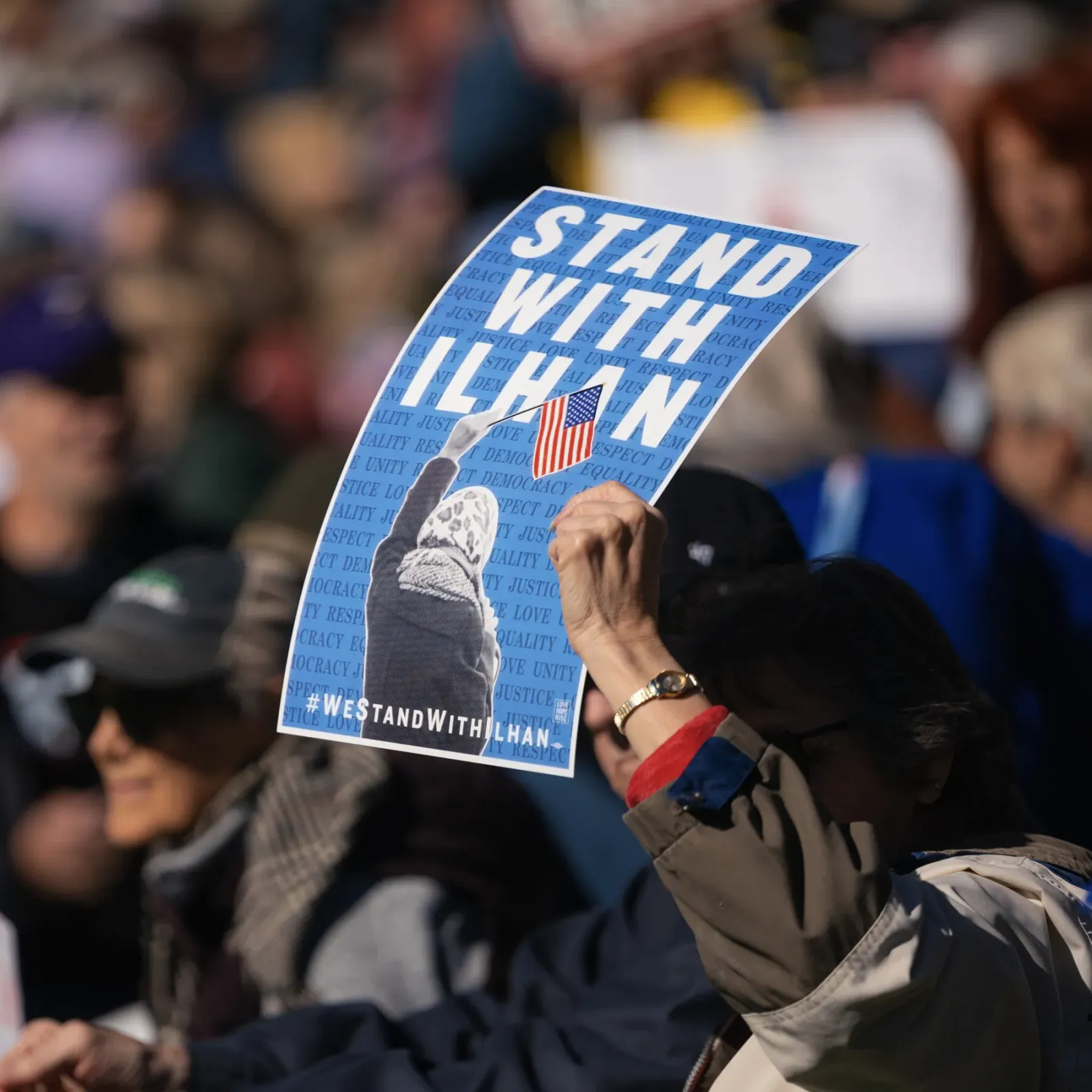
Obama Defends Ilhan Omar After Agents Search Her Home in Trump Inquiry
The former president's intervention raises the stakes in a federal probe into immigration paperwork that has put a prominent progressive lawmaker in the crosshairs.

Blair-era minister: cut welfare to fund youth job support
Alan Milburn's call for welfare cuts to fund employment support opens a Labour fight over benefits and the Neet crisis.
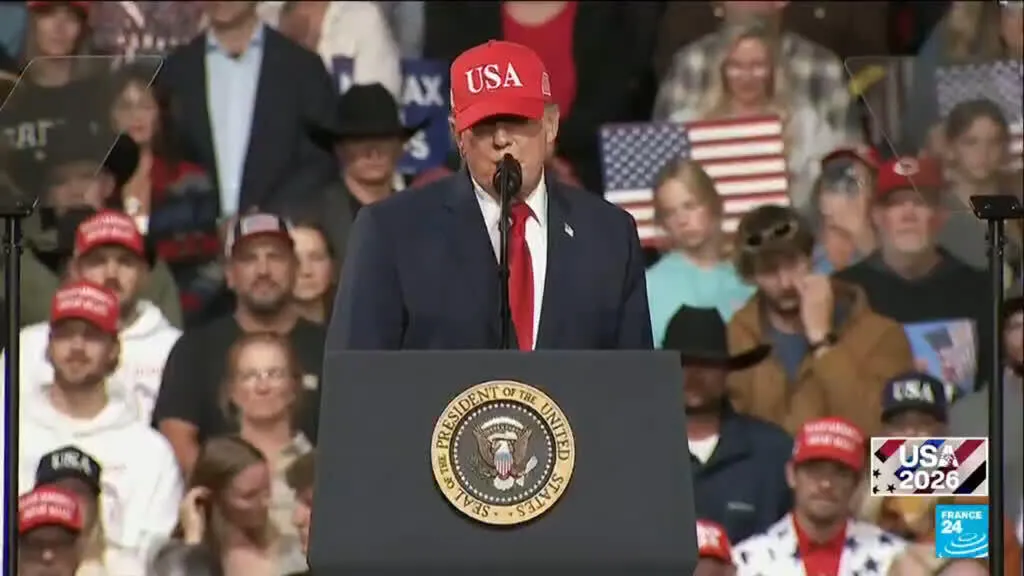
Hot September CPI: energy costs surge, voters feel the squeeze before midterms
The latest inflation print lands as Trump campaigns for GOP control of Congress, putting cost-of-living worries at the center of the midterm fight.