
Morocco blames Ceuta deaths on 'misleading information' as Spain cites at least 72
Morocco reports 11 deaths, Spain says at least 72, and both figures make the social-media narrative a policy problem.

Morocco's interior ministry blamed a sudden surge of migrants trying to reach Spain's North African exclave of Ceuta on the 'spread of misleading information' on social media. The death toll reported by Morocco, 11, is far lower than Spain's at least 72, raising high-stakes questions for governments and platform governance.
Morocco said 11 people died trying to reach Spain's North African exclave of Ceuta this week. The country then blamed the sudden surge on the 'spread of misleading information' on social media, a framing that matters because it shifts the story from only a border crisis to a communications and risk problem.
Spain's account is much higher. Spain says at least 72 people died, making Morocco's figure significantly lower and turning the discrepancy itself into a live governance issue. For executives and policy leaders, this is not just a humanitarian headline. It is a reminder that when migration routes become viral, the information environment can change behavior quickly, and quickly can mean deadly.
Why does “misleading information” show up in a ministry briefing? In cases like this, governments often try to explain sudden surges by pointing to the way people coordinate. Social media can compress time, amplify rumors, and make distant, dangerous plans feel closer and more feasible than they are. Morocco's interior ministry is essentially arguing that the immediate accelerant was not only opportunity or desperation, but the narrative that reached would-be migrants through platforms.
That framing also has incentives attached. When there is a large gap between the reported death tolls, each side faces political pressure to control the interpretation. Morocco's choice to cite social-media misinformation suggests it wants the surge understood as preventable through better information clarity, rather than as a pure function of border enforcement or geographic factors. Spain, meanwhile, is operating with a far higher casualty figure. The public numbers become part of each government's accountability story, and those accountability stories can harden into bureaucratic positions and legal postures.
For decision-makers, the operational stakes are obvious: officials need to assess how quickly misinformation can move, where it originates, and what interventions are realistic. But the strategic stakes are just as real. If Morocco believes misinformation played a central role, then the policy response becomes partly about platform behavior, content moderation, and cooperation on takedowns or warnings. That is a different tool set than traditional border staffing or physical patrol changes.
There is also a second-order effect for anyone leading communications, risk, or compliance inside companies that touch migration flows, whether directly or indirectly. Platforms and enterprises with high user engagement tend to be pulled into crisis narratives. Once a government publicly attributes harm to social media, the entire ecosystem faces an escalation pathway: more regulation, more reporting obligations, more scrutiny from regulators and civil society, and more pressure for transparency about how information spreads.
The Ceuta situation is happening at the intersection of migration policy, security policy, and information policy. Ceuta, being a Spanish exclave in North Africa, sits in a politically sensitive geographic zone where border control and humanitarian concerns collide. Historically, movements toward European borders have periodically surged, but modern social media can make those surges less predictable. When rumors about routes and success rates travel quickly, people may coordinate toward a plan before authorities can warn them or before conditions at the border become clear.
The death toll mismatch between Morocco's 11 and Spain's at least 72 also has implications for how leaders talk about prevention. If authorities start drafting prevention strategies, they need confidence in baseline data. Discrepancies do not erase the tragedy, but they complicate how policymakers evaluate which interventions work. Are deaths concentrated around a specific attempt or period? Were casualties counted differently? Without more details, executives should treat the gap as a signal that data quality and reporting practices will be scrutinized alongside the messaging itself.
In the boardroom, this kind of news can feel distant until you remember the pattern: crisis gets narrated in public, narratives shape behavior, and behavior creates outcomes that regulators later try to mitigate. Morocco’s interior ministry is publicly tying a lethal surge to “misleading information” on social media. That means the conversation will likely move from the border to the platforms, and then to the regulators who oversee them. For leaders across government and tech governance, the strategic question becomes: when the next surge begins, will the information ecosystem help people avoid danger, or will it amplify the rumor long enough to make tragedy scale?
This story's Key Insights and Take-aways are locked.
Create a free account to unlock Executive Actions for one credit.
Register to UnlockAlways free for Executives Club members. Join the Club
More in Politics
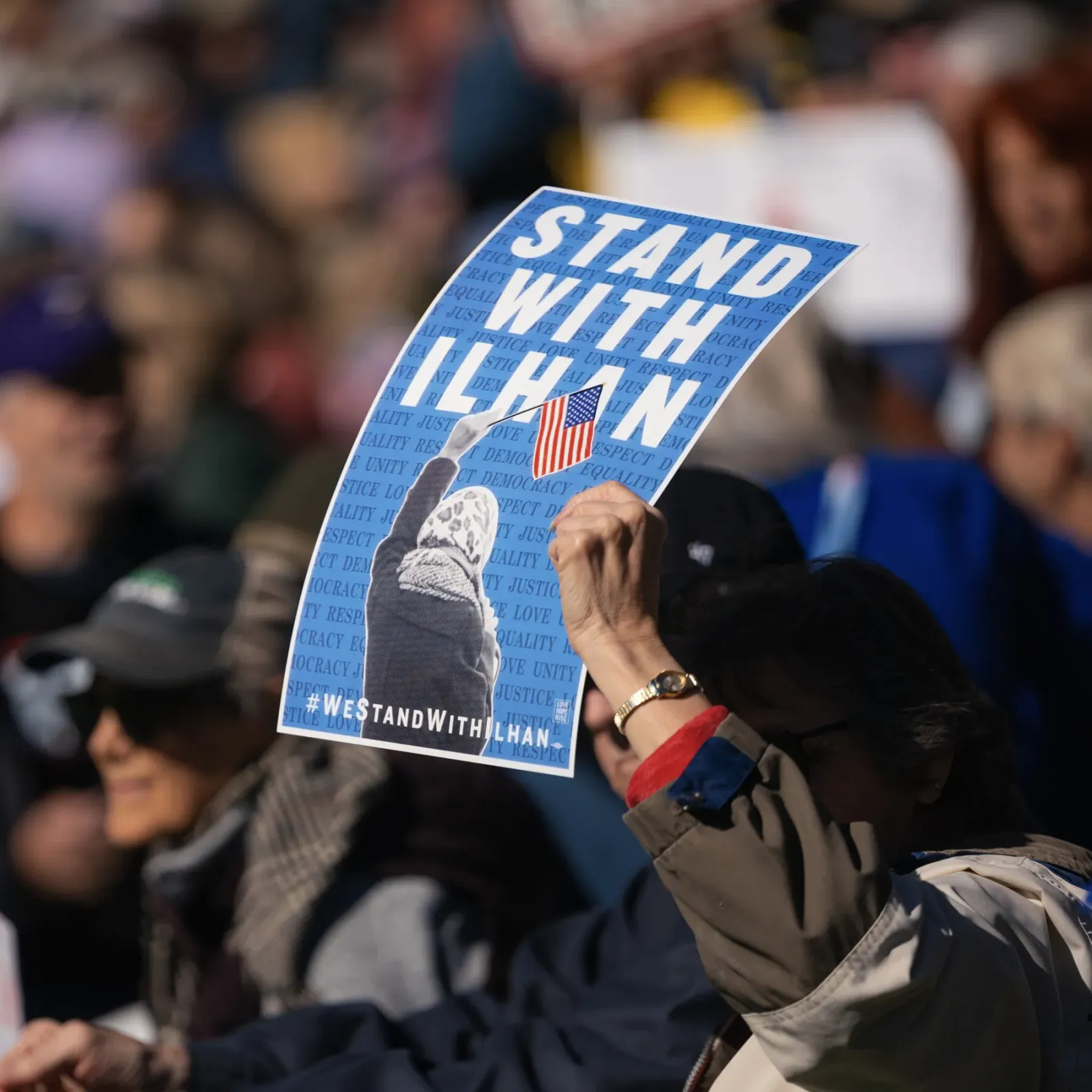
Obama Defends Ilhan Omar After Agents Search Her Home in Trump Inquiry
The former president's intervention raises the stakes in a federal probe into immigration paperwork that has put a prominent progressive lawmaker in the crosshairs.

Blair-era minister: cut welfare to fund youth job support
Alan Milburn's call for welfare cuts to fund employment support opens a Labour fight over benefits and the Neet crisis.

Hot September CPI: energy costs surge, voters feel the squeeze before midterms
The latest inflation print lands as Trump campaigns for GOP control of Congress, putting cost-of-living worries at the center of the midterm fight.