

MSI and Asus validate PCs for CXMT DRAM, aiming to match Micron fast
China's CXMT ramp could add 600k-1.1M WPM, pushing BIOS updates and DDR buyers to re-check assumptions.
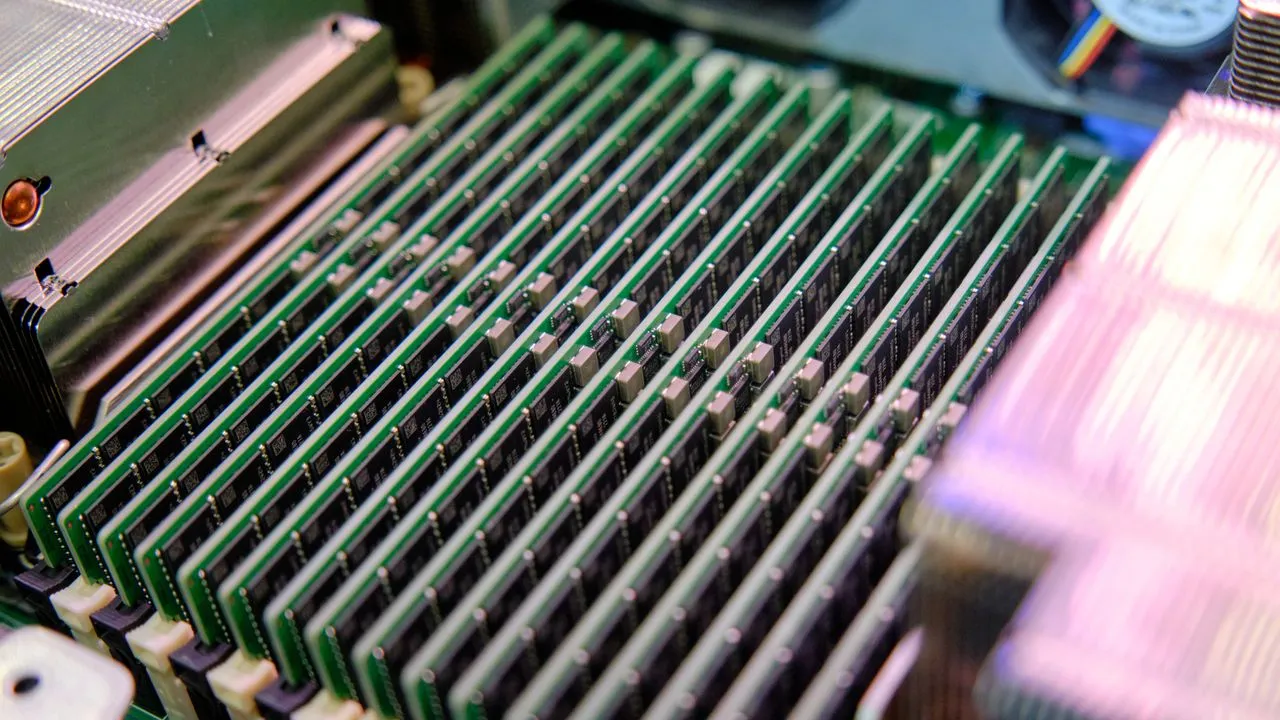
MSI and Asus are validating motherboards and components for Chinese-made memory, tied to CXMT's predicted DRAM capacity ramp. For decision-makers, this accelerates the timeline for competitive pressure on global DRAM pricing and supply planning.
Motherboard and component makers like MSI and Asus are not just “watching” Chinese DRAM anymore. They have started validating their products for Chinese-made memory, and the reason is painfully specific: a major ramp in DRAM production coming from China, especially from memory maker CXMT.
Analyst Zephyr on X (citing research by Citrini) lays out the capacity math that is driving the move. With the changes CXMT is making, “CXMT can potentially add 600k-1.1M WPM [wafers per month] of DRAM capacity and have a total capacity of around 950k-1.45M WPM.” That predicted total is not just theoretical. It includes 350,000 WPM produced by CXMT by the end of 2026, which TechPowerUp notes is close to the 375,000 WPM that Micron is expected to hit this year. In other words: the industry is acting as if a Chinese memory maker will quickly catch up to Micron.
Why does that trigger BIOS validation? Because motherboard vendors do not want their customers to buy systems that fail, underperform, or behave unpredictably with certain memory configurations. If the supply chain shifts and DRAM modules increasingly come from CXMT or other Chinese sources, the practical question becomes: “Will this new memory work cleanly with our platforms at scale?” BIOS updates and validation processes are the mechanism to reduce compatibility risk as new DIMMs and timings enter the ecosystem.
Zoom out, and the timing gets even more consequential. The supply landscape for DRAM has been under pressure from global demand. In that environment, ramping production is not just a factory story, it is a pricing and availability story. The source points to expanding fabs, but also mentions the possibility of building new ones and creating a new R&D line. And it notes that companies in China can potentially move faster than in the West. Zephyr states that “cleanroom construction time is around 12 months compared to 21-24 months in the Rest of the World.” Faster build and faster throughput mean the capacity competition arrives sooner than many traditional forecasts assume.
There is also an economic accelerant embedded in the plan: state backing. The source explains that in large part, Chinese memory companies can receive “a bunch of state backing.” In a time when there is a global shortage and massive demand, the argument for funding from state or private sectors becomes easier to justify. That does not magically solve technical challenges, but it can reduce the “wait time” that slows competitors elsewhere. If you are a component maker, that matters because your customers are buying now, not after a multi-year construction schedule finishes.
The spillover effects are already visible in where DRAM could land next. The article says Corsair and Lexar have been using (or planning to use) CXMT DRAM in Chinese-aimed RAM kits. That is a supply chain signal, not a marketing flourish. If Chinese-made DRAM capacity rises quickly, module brands that want to compete on availability and cost will look for qualifying supply sources. At that point, the platform and firmware layer has to catch up, which helps explain why MSI and Asus validation activity shows up alongside the broader ramp narrative.
There is also a nuance for anyone hoping the change stays contained to consumer desktops. The source specifically notes “following Asus (but not MSI)” that these Chinese memory-validating BIOS updates might not be only for motherboards in China, with the practical implication that compatibility could extend beyond geography if vendors decide the ecosystem demand is there. And it raises another large sink for DRAM capacity: AI server demand. Even if capacity rises, AI infrastructure can “chomp through” a lot of global memory supply, which changes how quickly any excess might show up and how durable any pricing relief could be.
For executives and board members in adjacent hardware and compute categories, the strategic stake is simple. If a capacity competitor can close the gap with Micron on a faster-than-expected timeline, procurement assumptions, inventory planning, and product qualification timelines need an update. BIOS validation might sound like a small, technical step. But in a fast-moving DRAM market, it is an early indicator that the supply chain is already rerouting, and your roadmap for systems, memory SKUs, and margins should be built for that reality.
This story's Key Insights and Take-aways are locked.
Create a free account to unlock Executive Actions for one credit.
Register to UnlockAlways free for Executives Club members. Join the Club
More in Business
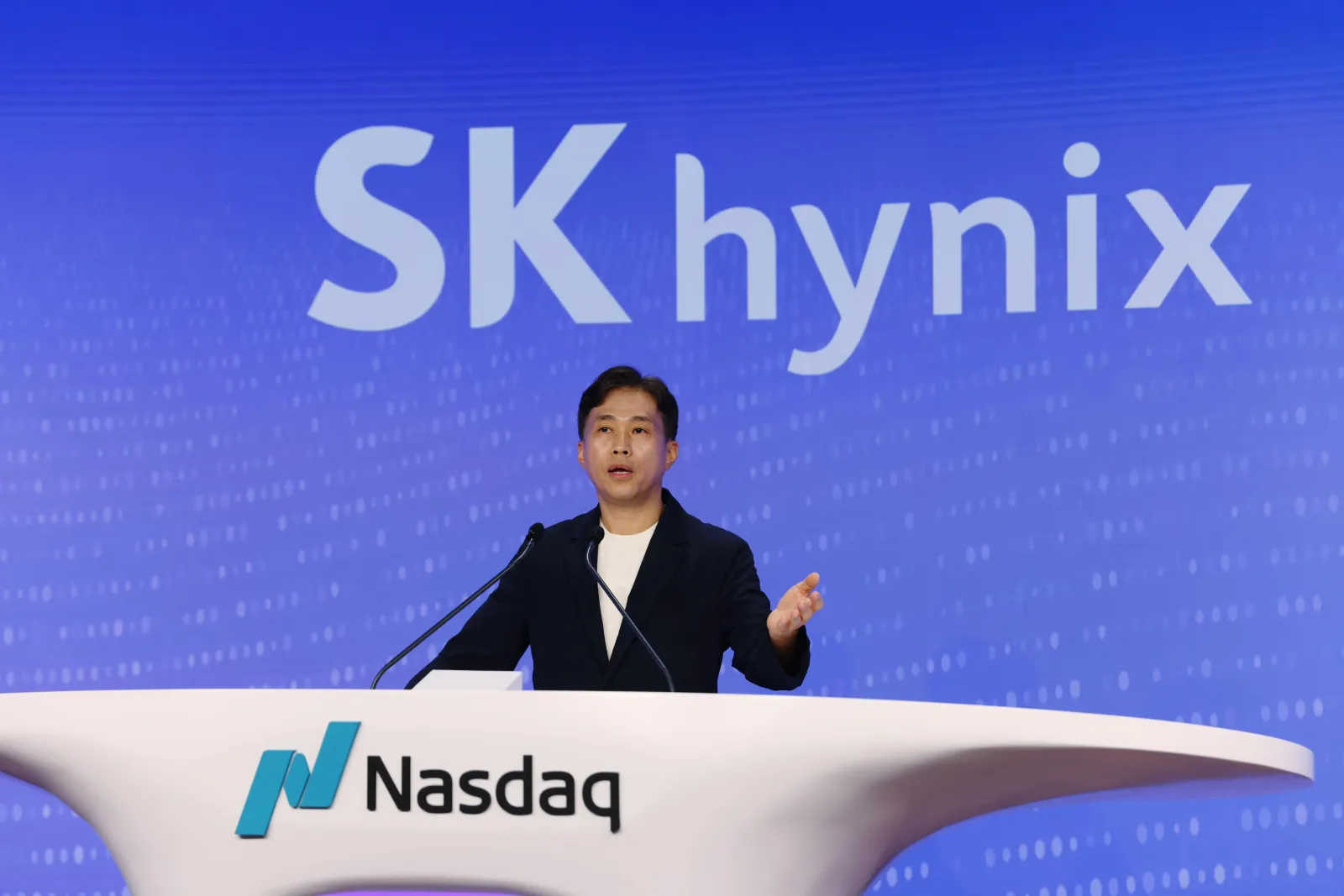
SK Hynix opens at $170, raises $26.5B, and tops foreign IPO records
In Friday's Wall Street debut, SK Hynix turns AI RAM demand into a $26.5B fundraising moment that rewrites comps.

China lands a reusable Long March booster, a first that matches SpaceX and Blue Origin
A barge landing and net-based recovery move China from theory to proof, reshaping the reusability race and satellite ambitions.

AstraZeneca $27B wipeout as Wainua late trial misses cardiovascular target
A failed late-stage heart study triggered a swift market punishment, forcing investors and boards to reset timelines and risk.