

Musk calls Altman a “scammer” after Apple sues OpenAI, and the fight goes orbital
As Apple alleges stolen secrets in OpenAI’s hardware push, Musk and Altman trade accusations and data-center jabs.
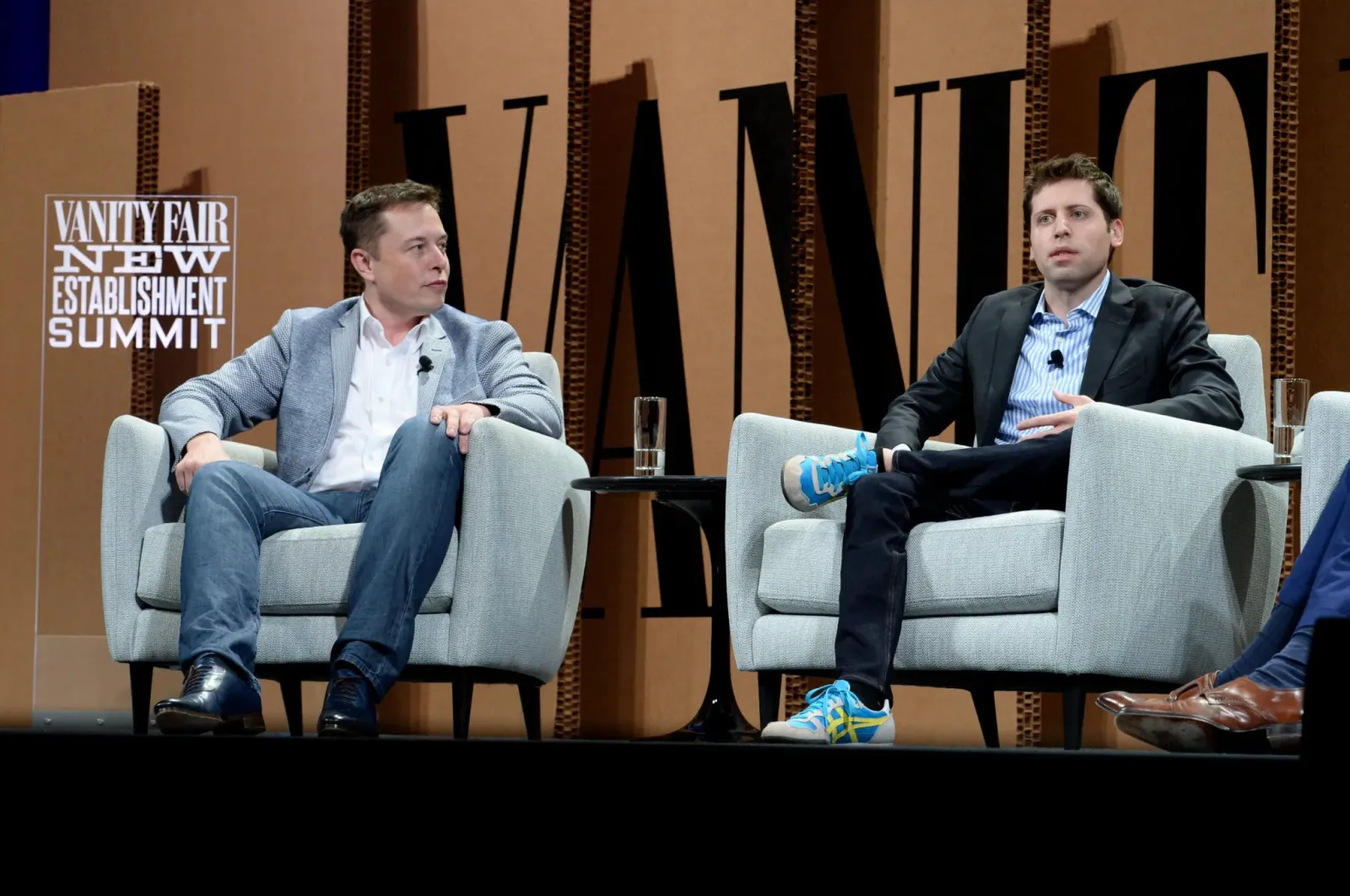
Elon Musk and Sam Altman reignited their feud after Apple sued OpenAI and two former Apple employees, alleging they stole company secrets. The escalating public fight pulls their companies and investor narratives into an AI race that now includes “space data centers” and new model launches.
Elon Musk is back in the ring, and it started with Apple. On Friday, Apple sued OpenAI and two former Apple employees who joined the AI startup, alleging they stole company secrets to build OpenAI’s hardware business. OpenAI denied the claims, telling multiple outlets it “has no interest in other companies’ trade secrets.” Musk then seized on the news and went after Sam Altman directly, posting “Scam Altman strikes again,” using the nickname Musk has previously used to describe Altman.
Within a day, the accusation escalated from the courtroom into investor-style pitchmanship and the question of who is “selling” the future better. Musk replied to several posts with harsher language, then Altman shot back on X Saturday, claiming Musk is “the one sellling [sic] public market investors on short-term space datacenters.” Musk’s final jab in the exchange tied the argument to timeline and geography, saying “We start flying them next year,” referring to the orbital data centers Altman mentioned. He then added another attack that points at a claim at the center of their older feud: that Altman allegedly “stole” OpenAI.
That matters because this is no longer just a personality clash between two billionaire CEOs. It is a competition over narrative, credibility, and capital allocation, happening in public where investors are watching. Both Musk and Altman are trying to frame themselves as the faster, more serious builder of the next AI wave, while casting the other as either opportunistic or dishonest. When Apple raises trade-secret allegations involving OpenAI’s hardware ambitions, it gives Musk a new lever to pull. When Altman counters by pointing at Musk’s “space datacenters,” he is answering the same question in a different language: what will actually get built, and how soon.
To understand why these particular accusations land so hard, you have to rewind to the origins of their relationship. In 2015, Musk and Altman worked closely to get OpenAI off the ground. At the time, Altman was president of Y Combinator, known for helping launch companies like Airbnb and DoorDash, while Musk was already running Tesla and SpaceX simultaneously. They joined other cofounders to start OpenAI as a nonprofit AI research lab “to advance digital intelligence in the way that is most likely to benefit humanity as a whole, unconstrained by a need to generate financial return.” One reported motivation was to prevent Google from getting a monopoly over AI.
The friendship cracked when Musk reportedly believed OpenAI was falling behind in the AI race. In 2018, he made an offer to take control of the company and considered folding it into Tesla, after investing tens of millions of dollars with roughly $1 billion promised over the next several years. Altman and other original OpenAI team members rejected the takeover proposal. Musk left OpenAI’s board and cut off the funding he had pledged. Later, he led a group of investors that last year offered to buy the company for $97.4 billion.
After ChatGPT’s release in 2022 made OpenAI one of the hottest startups on the planet, the feud spilled into court. Musk sued OpenAI and Altman in 2024, alleging Altman had gone against OpenAI’s nonprofit mission by constructing an “opaque web of for-profit OpenAI affiliates” and prioritizing commercial returns. Musk asked for $150 billion in damages destined for a charitable trust and requested OpenAI’s for-profit structure be reversed. OpenAI argued that Musk turned against the organization only after his attempt to control it failed. A jury in May found Musk did not meet the statute of limitations for his case and tossed out the suit, and Musk has said he will appeal.
Still, dismissal does not mean the tension disappears. It shifts channels. Musk launched xAI in 2023 and released the large language model Grok the same year. Earlier this year, SpaceX acquired xAI and rebranded itself as SpaceXAI, describing its new AI business as essential to its future prospects and valuation. SpaceX went public in a record-setting IPO in June, the same month OpenAI confidentially filed for its own IPO. Meanwhile, the product cadence is giving the feud fresh fuel: last week, OpenAI released its new model GPT-5.6 Sol one day after SpaceXAI announced Grok 4.5. Altman posted on X that “There are a lot of benchmarks that suggest 5.6 sol is the best model in the world right now,” adding, “but the most reliable way to tell is that elon is obsessed with me again.”
So what is really at stake for decision-makers beyond the internet drama? It is the investor frame for what “AI leadership” looks like. In one camp, OpenAI is pursuing frontier models and, via its hardware business, trying to scale the compute stack. In the other, Musk is combining models with space infrastructure and pushing the idea that the supply chain for AI can extend into orbit. Apple’s lawsuit is part of that scaling story, because trade-secret claims can become a drag on execution, partnerships, and even hiring, even when the defendant denies wrongdoing. And Musk and Altman’s back-and-forth turns those legal and technical bets into a public contest over trust.
For peers running companies, boards evaluating tech risk, and investors deciding where to underwrite the next cycle, the warning is simple: reputational narratives can move as fast as model releases. When legal disputes, IPO timing, and product launches line up, credibility becomes a balance-sheet variable. In this particular feud, the accusations may be about “scams,” “stolen secrets,” and “for-profit” structures, but the second-order effect is that everyone watching has to price not only capability, but controversy, timeline, and the story each CEO is telling the market.
This story's Key Insights and Take-aways are locked.
Create a free account to unlock Executive Actions for one credit.
Register to UnlockAlways free for Executives Club members. Join the Club
More in Business
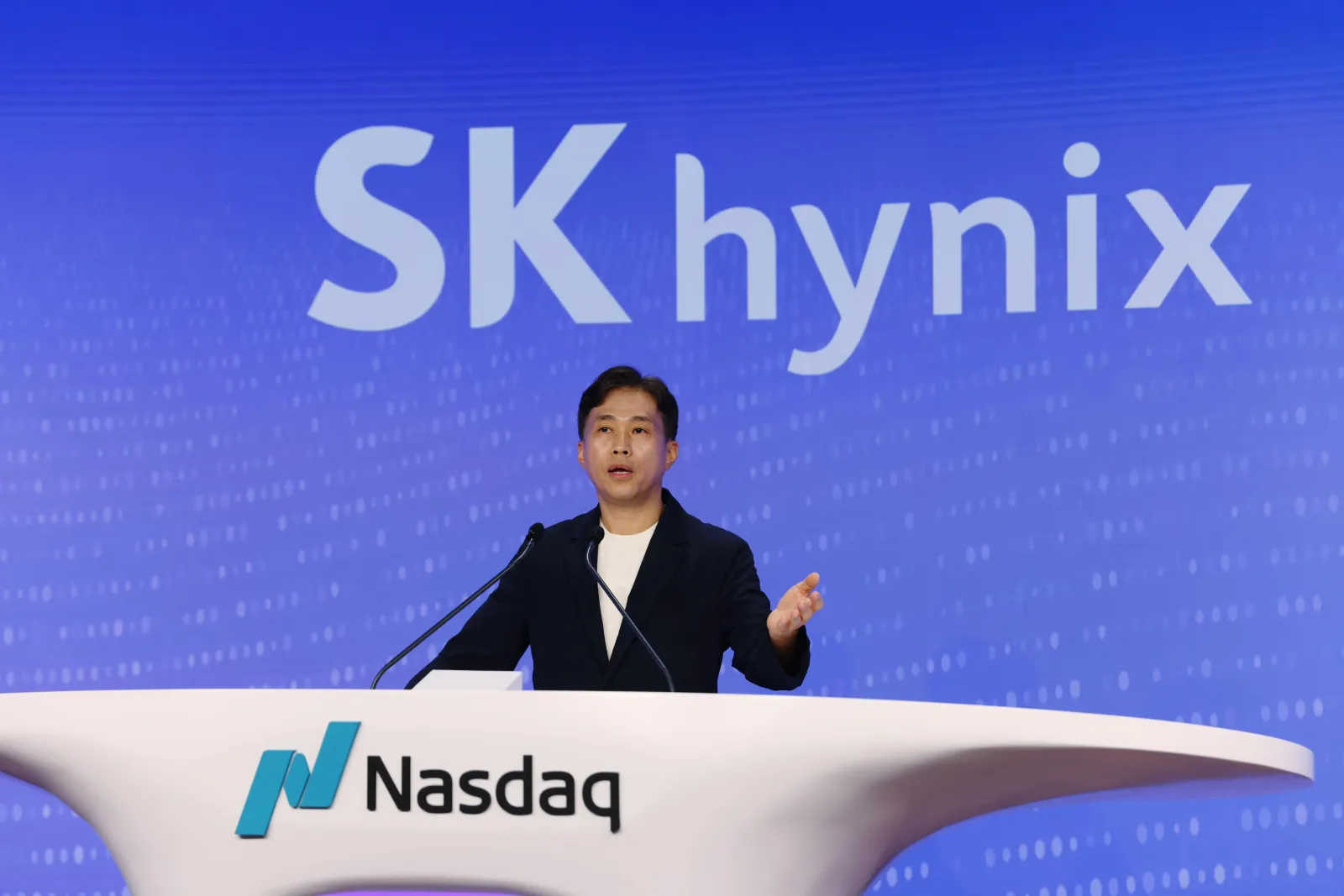
SK Hynix opens at $170, raises $26.5B, and tops foreign IPO records
In Friday's Wall Street debut, SK Hynix turns AI RAM demand into a $26.5B fundraising moment that rewrites comps.
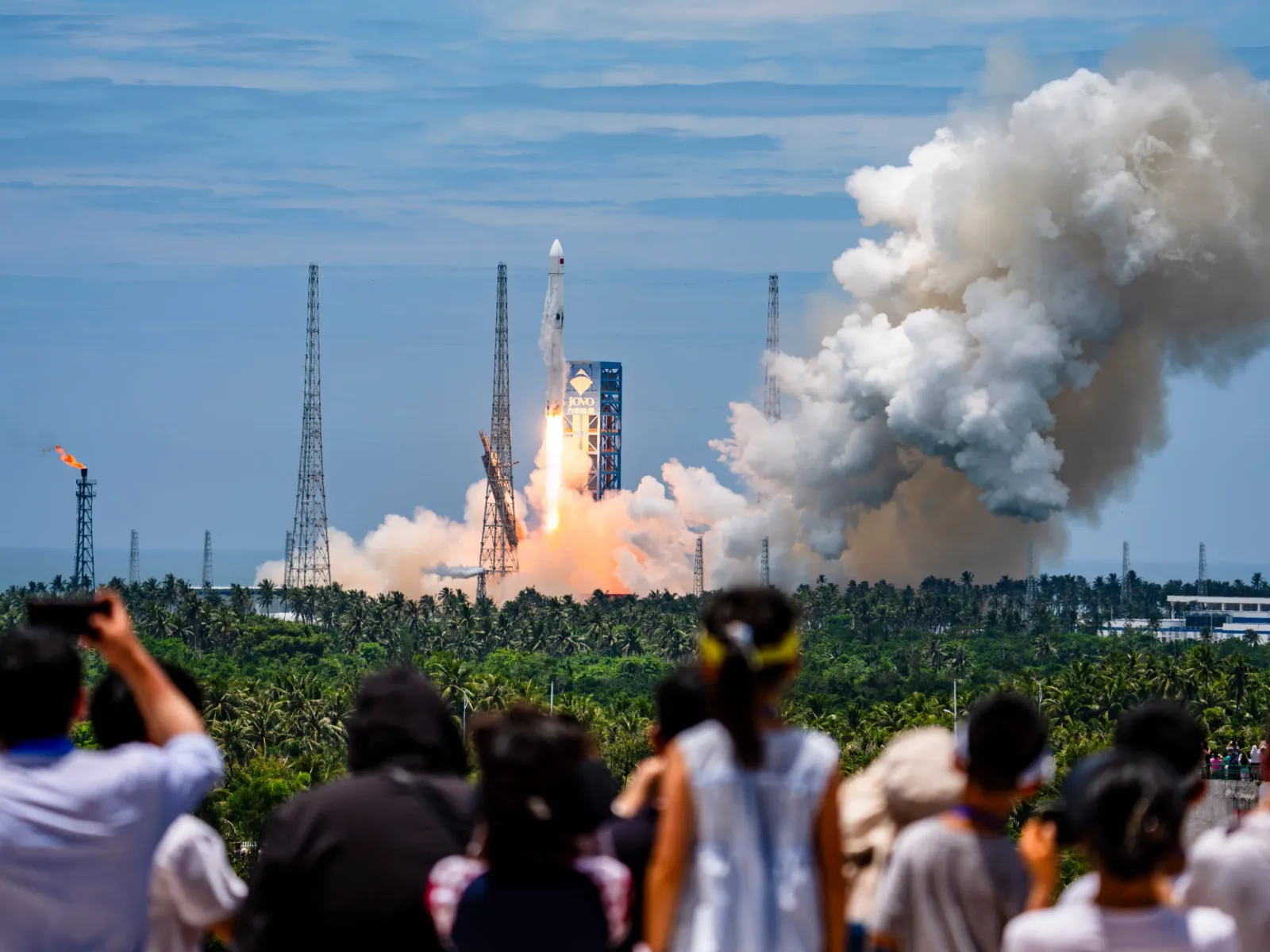
China lands a reusable Long March booster, a first that matches SpaceX and Blue Origin
A barge landing and net-based recovery move China from theory to proof, reshaping the reusability race and satellite ambitions.

AstraZeneca $27B wipeout as Wainua late trial misses cardiovascular target
A failed late-stage heart study triggered a swift market punishment, forcing investors and boards to reset timelines and risk.