

N.O.R.E. Sued for Alleged 1999 Sexual Assault of Nas's Ex, Music Exec Carmen Bryan
A new lawsuit under New York's Gender-Motivated Violence Protection Act opens a window into decades-old industry abuse claims - and the legal exposure facing artists and executives.

Carmen Bryan, a former Rush Management finance officer who shares a child with Nas, filed civil claims against N.O.R.E. for an alleged 1999 assault at a Manhattan nightclub. The suit, filed under New York City's Gender-Motivated Violence Protection Act, signals a widening legal reckoning for the music industry beyond the Diddy cases.
Carmen Bryan, a former finance officer at Def Jam affiliate Rush Management who shares a child with Nas, filed a civil lawsuit Wednesday (Sept. 9) alleging that rapper N.O.R.E. (born Victor James Santiago Jr.) sexually assaulted her at a Manhattan nightclub in May 1999. The suit, obtained by Billboard, seeks unspecified financial damages for "severe emotional distress" and comes under New York City's Gender-Motivated Violence Protection Act, which opened a limited window for sexual assault claims that would otherwise be barred by the statute of limitations. Bryan's allegations center on an incident during pre-release promotion for N.O.R.E.'s sophomore album Melvin Flynt Da Hustler, when she says the rapper, "visibly intoxicated," grabbed her and "committed an act of non-consensual digital penetration." The complaint states that Bryan "made clear verbal objections and repeatedly pleaded for Santiago to stop," but that he "ignored her objections and pleas" and "physically overpowered" her. Afterward, N.O.R.E. allegedly recognized Bryan crying outside the club and apologized, saying, "Carm, I didn't know it was you. You're always doing something different with your hair." Bryan says he repeated a similar apology a few weeks later at a barbecue that she and Nas hosted for their daughter's birthday. Reps for N.O.R.E. did not immediately return a request for comment; a rep for Jay-Z, who is not accused of any wrongdoing, also did not return an inquiry. The lawsuit lands in a moment of heightened scrutiny for the music industry, where the 2023 explosion of Cassie Ventura's sexual misconduct lawsuit against Sean "Diddy" Combs has triggered a wave of claims under lookback windows in New York and other states. Bryan says her memories of the 1999 incident were triggered by the Cassie news, and that she could not eat or sleep after it broke. She ultimately decided to pursue legal action of her own. The legal strategy is notable: rather than naming a label or management company, Bryan is suing N.O.R.E. as an individual, which keeps the focus on personal accountability and avoids the complex corporate liability questions that have dogged other cases. Her attorneys, Marjorie Mesidor and Heather Palmore, framed the suit as a challenge to industry culture, saying in a statement, "For far too long, the music and nightlife industries have normalized sexual violence, treating non-consensual contact and physical domination as an occupational hazard or 'par for the course' - as if enduring abuse is somehow what women signed up for when entering these spaces." They added, "No woman signs up to be assaulted. The assertion that an assault is excusable - or simply did not happen - because a perpetrator failed to recognize his victim strips women of their fundamental humanity. Ms. Bryan is coming forward not only to demand accountability for the lasting trauma and public humiliation inflicted upon her, but to challenge the culture of entitlement that treats women's bodies as collateral damage." Bryan's decision to come forward now, after suppressing the trauma for years, reflects a broader shift in how the industry and the courts treat historical abuse claims. The Gender-Motivated Violence Protection Act, which was originally passed in 2000, was amended in 2022 to create a two-year revival window for claims that had previously expired. That window has already produced a wave of lawsuits against high-profile figures, and legal experts say the lookback provisions are likely to keep generating new filings as more survivors come forward. For executives and boards across music, media, and entertainment, the case is a reminder that the legal exposure from historical conduct is not limited to the biggest names. Any artist, manager, or executive who was in a position of power in the 1990s or 2000s could face similar claims, and the cost of defending them - even if the allegations are denied - can be substantial. The suit also highlights the role of enablers and bystanders. Bryan says she disclosed the assault the day after it occurred to Jay-Z, a "trusted confidant," and that he "reacted strongly and threatened to confront" N.O.R.E., but she asked him not to because she didn't want to escalate the situation. She ultimately opted not to report the assault. The complaint describes her internal conflict as a struggle "between the urgent need to address the violation of her bodily autonomy and the intense, culturally ingrained pressure to avoid bringing legal or public harm to a successful Black male," adding that "in an environment that routinely demanded absolute loyalty to the artist over the safety of women, advocating for her own basic human rights felt akin to a direct betrayal of the culture itself." That language is a direct challenge to the industry's old code of silence, and it is likely to resonate with other survivors who have not yet come forward. For decision-makers, the strategic takeaway is clear: the legal window for historical claims is still open, and the cultural calculus has shifted. Companies that have not already reviewed their insurance coverage, document retention policies, and crisis response protocols for historical misconduct claims should do so now. The cost of a single lawsuit - in legal fees, reputational damage, and lost business - can far exceed the cost of preparation. And for artists and executives who built careers in an era when "par for the course" was the norm, the message from this filing is unambiguous: the past is no longer a safe harbor.
This story's Key Insights and Take-aways are locked.
Create a free account to unlock Executive Actions for one credit.
Register to UnlockAlways free for Executives Club members. Join the Club
More in Business

Royal Caribbean just spent $3B to own half of Sandals
The cruise giant is buying a 50% stake in the all-inclusive resort chain for $3 billion, a bet that land-based vacations are the next growth engine.

Paramount's Ellison: Merger Clearance Done, WBD Deal by Oct 1
David Ellison says the Paramount-WBD merger has full clearance after settling with state AGs, clearing the path for an October 1 close.
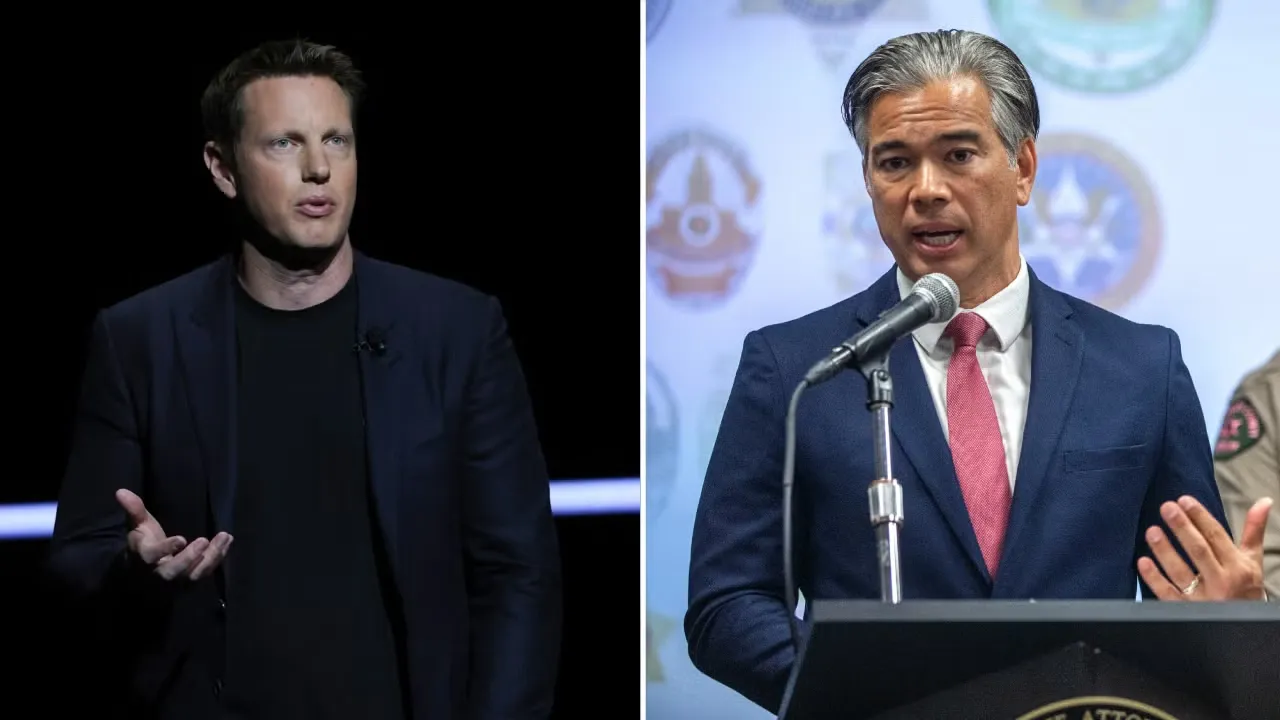
Paramount settles with 12 states, $110B Warner merger clears final hurdle
David Ellison's studio avoids a March trial and a $7M-a-day ticking fee by settling with state AGs over local job losses.