

NASA releases draft RFP for private space stations, racing toward an ISS 2030 end
A draft Request for Proposals clarifies what NASA wants from US companies as Congress worries about a human-orbit gap.

NASA released a draft Request for Proposals for privately operated space stations in low-Earth orbit, following earlier funding that supported station concepts. For decision-makers, it signals a real timing and funding crunch tied to NASA's planned International Space Station end in 2030.
NASA just pulled back the curtain on what it expects from US companies building privately operated space stations in low-Earth orbit. This week, the agency released a much-anticipated document called a “draft Request for Proposals,” or draft RFP, aimed at clarifying the requirements behind the next phase of its station strategy.
The urgency is not theoretical. NASA has publicly set an end date for the International Space Station (ISS) of 2030, with the expectation that there is likely to be a two-year extension. Even with that cushion, time is still running short to build, test, and fly something as complex as a space station. NASA officials and US Congress have both said they want to avoid a gap in having a human presence in orbit, which is why this draft RFP matters now instead of later.
To understand why the draft RFP feels like a ticking clock, you have to look at what NASA already tried to do. Nearly five years ago, the space agency took a concrete step toward filling the post-ISS gap by awarding funding to three companies to develop space station concepts. Those early awards functioned as the R&D bridge, a way to seed ideas, test designs, and build momentum before the government asked companies to commit to full development, construction, and launch.
NASA also provided $140 million to another space station company, Axiom Space. That money came through Space Act Agreements, which were intended as a prelude to a second phase. In that next phase, NASA would award substantially more funding to one or two more companies to proceed into the build-and-launch stage for their space stations. In other words, NASA did not just want concept art and feasibility studies. It wanted a pipeline from “we think we can” to “we are actually going to put humans in orbit around something we built.”
But phase two did not roll forward as cleanly as planned. The source notes that it kept getting delayed, and one driver was Congress dithering on funding. That detail is crucial for boards and finance leaders reading between the lines. When public funding is uncertain, private space schedules become fragile, because spacecraft and station development are capital-intensive and long-duration. You can spend your way into a timeline, but you cannot accelerate physics. A delay on the government side can force downstream changes on the industry side, from hiring and supply contracts to launch vehicle planning and integration test windows.
Now, with the draft RFP out, the industry is finally getting the clarity it has been waiting for, at least according to the framing in the report: “Industry finally knows what NASA is asking of them.” That is a big deal because requirements define more than checklists. They influence cost structures, systems engineering choices, risk profiles, and even which partners a company can credibly bring on. For executives, it is the difference between budgeting a vague bet and underwriting a specific program path with defined expectations.
There is also a strategic alignment issue here. NASA is not trying to choose a random winner in a vacuum. It is trying to land a human-orbit presence plan at the same time the ISS clock runs. If NASA's public 2030 end date holds, and if extensions do not stretch enough to absorb development realities, the market for low-Earth orbit access becomes a high-stakes race. That race affects investors too, because the moment the demand signal becomes explicit through an RFP, the valuation conversation shifts from potential to deliverability.
So what should decision-makers take from this? The draft RFP is not the final contract, but it is a near-term signal of where NASA is steering. It connects the dots between the early funding milestones, the stalled phase two caused in part by congressional funding dithering, and the agency's stated goal to avoid a human-orbit gap. For executives and board members at any company positioning itself for the next era of commercial space stations, the message is clear: the schedule is tightening, NASA wants specifics, and the ISS transition is moving from a distant policy debate into an engineering and financing deadline.
This story's Key Insights and Take-aways are locked.
Create a free account to unlock Executive Actions for one credit.
Register to UnlockAlways free for Executives Club members. Join the Club
More in Business
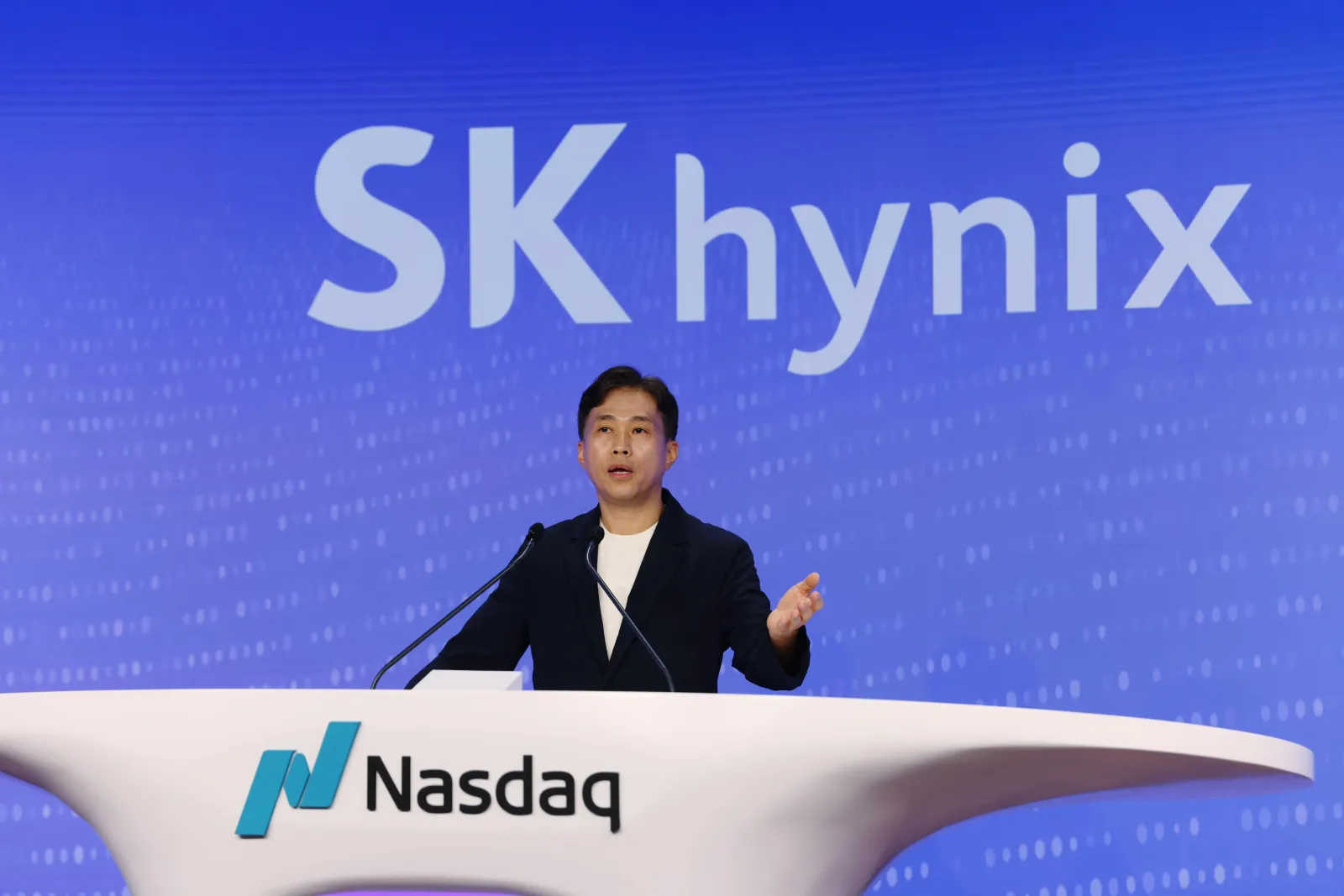
SK Hynix opens at $170, raises $26.5B, and tops foreign IPO records
In Friday's Wall Street debut, SK Hynix turns AI RAM demand into a $26.5B fundraising moment that rewrites comps.
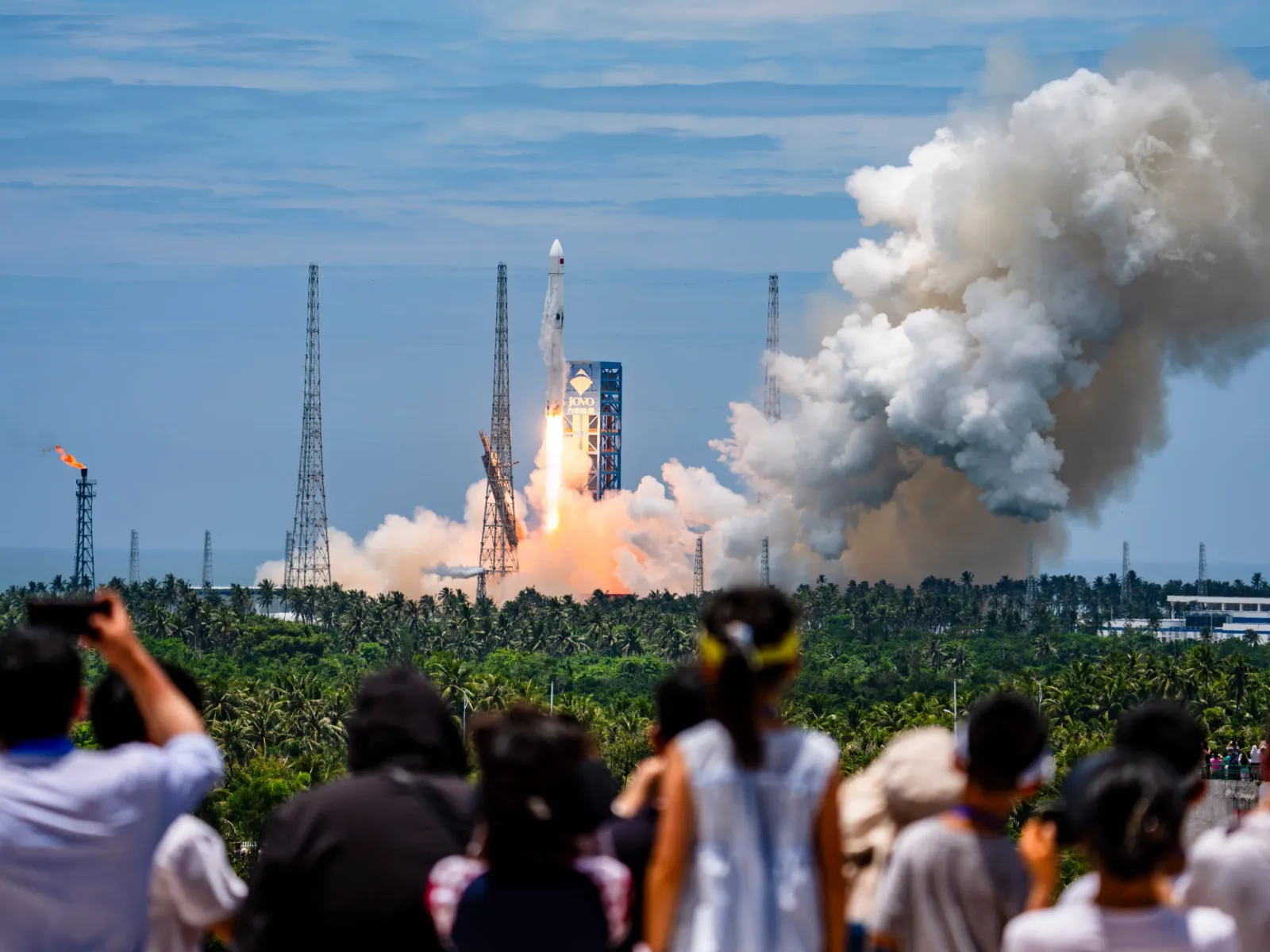
China lands a reusable Long March booster, a first that matches SpaceX and Blue Origin
A barge landing and net-based recovery move China from theory to proof, reshaping the reusability race and satellite ambitions.

AstraZeneca $27B wipeout as Wainua late trial misses cardiovascular target
A failed late-stage heart study triggered a swift market punishment, forcing investors and boards to reset timelines and risk.