
NASA's Crew-12 returns after 237 days, 100 million miles - with medicine-changing data
The crew's 237-day mission logged 100 million miles and 3,792 orbits - and the experiments they brought home could reshape medicine on Earth.
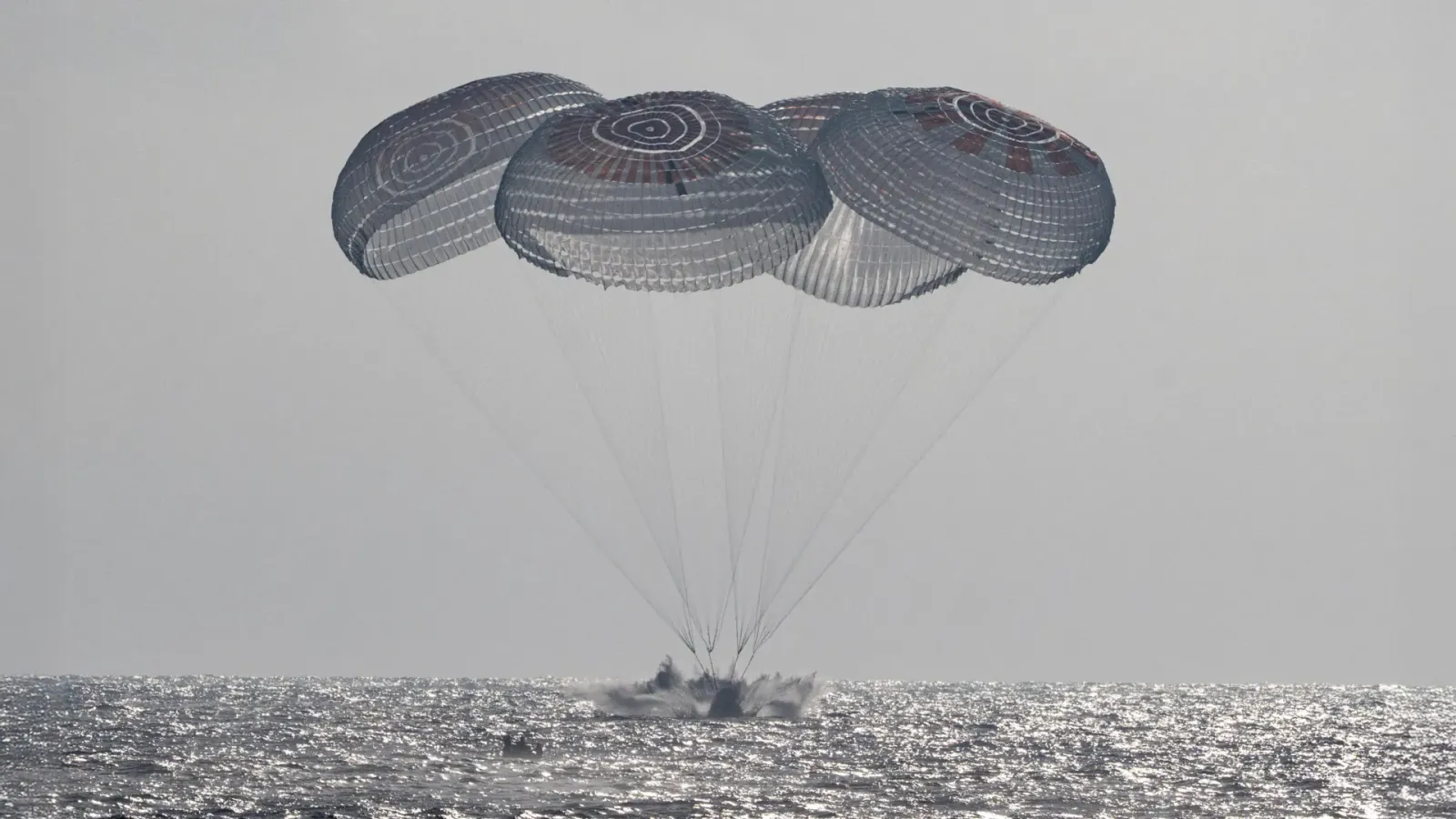
NASA's SpaceX Crew-12 astronauts returned to Earth after 237 days in space, covering more than 100 million miles and 3,792 orbits. Their research, including record-setting spacewalks and medical experiments, could transform healthcare both in orbit and on the ground.
NASA's SpaceX Crew-12 astronauts are back on Earth after 237 days in orbit, a mission that logged more than 100 million miles and 3,792 laps around the planet. The splashdown closes a marathon deployment that pushed the limits of human endurance - and the data they brought home could change how medicine is practiced both in space and on Earth. That is not a marketing line; it is the stated purpose of the research the crew conducted. For a generation of executives who grew up watching shuttle launches, this mission is a reminder that human spaceflight has moved from spectacle to science infrastructure.
The medical experiments are the quiet headline. According to NASA, the crew conducted research designed to prepare for future Moon and Mars missions, including studies that could 'transform medicine' in both environments. That is not routine science; it is the kind of work that determines whether a two-year Mars round trip is survivable, and whether therapies developed in microgravity can be translated into breakthroughs for patients on the ground. The 237-day stay gives researchers a rare, long-duration dataset on how the human body responds to weightlessness, radiation, and isolation - the exact conditions astronauts will face on the way to the Moon and Mars. For pharmaceutical companies, this dataset is a potential treasure trove: microgravity has been shown to alter protein crystallization, cell growth, and even the behavior of pathogens, all of which are relevant to drug discovery and vaccine development.
The mission also made history with record-setting spacewalk achievements, though NASA did not specify the exact records. For context, spacewalks are among the riskiest activities in human spaceflight. Each one generates data on suit performance, human physiology, and operational procedures that feed directly into Artemis lunar plans and eventual Mars missions. The fact that Crew-12 pushed those boundaries suggests the agency is confident in its next-generation hardware and training. It also signals that the operational playbook for deep-space exploration is being written now, with each spacewalk adding a new page. For aerospace contractors, these milestones translate into design requirements for future suits, rovers, and habitats.
Crew-12 is part of NASA's Commercial Crew Program, which relies on SpaceX's Crew Dragon capsule. The program has become the backbone of US access to the International Space Station, and each mission extends the operational envelope for private spaceflight. For executives watching the space economy, this is a reminder that low-Earth orbit infrastructure is now mature enough to support long-duration research - and that the data coming back is increasingly valuable. The program's success has also created a competitive market for crewed launches, with multiple providers vying for government and private contracts. That competition is driving down costs and opening the door for non-NASA customers, from research institutes to private astronauts.
For pharmaceutical and biotech companies, the medical experiments are a potential goldmine. Microgravity alters cellular behavior in ways impossible to replicate on Earth, from protein crystallization to tissue growth. The results could accelerate drug development, improve vaccine formulations, or unlock new manufacturing processes. That is why NASA and its partners are investing in in-orbit research platforms, and why commercial space stations are being built to take over when the ISS retires. The Crew-12 data will be added to a growing body of evidence that space is not just a place to look at the stars, but a place to do serious science with commercial payoff. Companies like Merck and Bristol Myers Squibb have already flown experiments to the ISS, and the pipeline is expanding.
For leaders in healthcare, aerospace, and venture capital, the takeaway is that space is no longer just a destination - it is a laboratory with a unique return on investment. The Crew-12 data will be parsed for months, and the findings will inform not only NASA's Artemis program but also the business models of companies betting on microgravity research. The 237-day mission is a proof point: long-duration human spaceflight is now routine enough to generate commercial-grade science. That is a shift from the early days of the space station, when research was often an afterthought to engineering. Today, the research is the point, and the crew is the delivery mechanism.
The splashdown also resets the clock for NASA's next steps. With Crew-12 home, the agency can process the mission's biomedical data before the next crew launches, and the lessons learned will shape how astronauts are monitored on future expeditions. For anyone whose company touches health, space, or advanced manufacturing, the message is simple: the data from 100 million miles is about to land in labs and boardrooms, and the first movers will be the ones who read it. The next few months will determine which companies turn this mission's science into products, therapies, and competitive advantage. The race to commercialize space-based research has just gotten a new data point - and it is a big one.
This story's Key Insights and Take-aways are locked.
Create a free account to unlock Executive Actions for one credit.
Register to UnlockAlways free for Executives Club members. Join the Club
More in Science
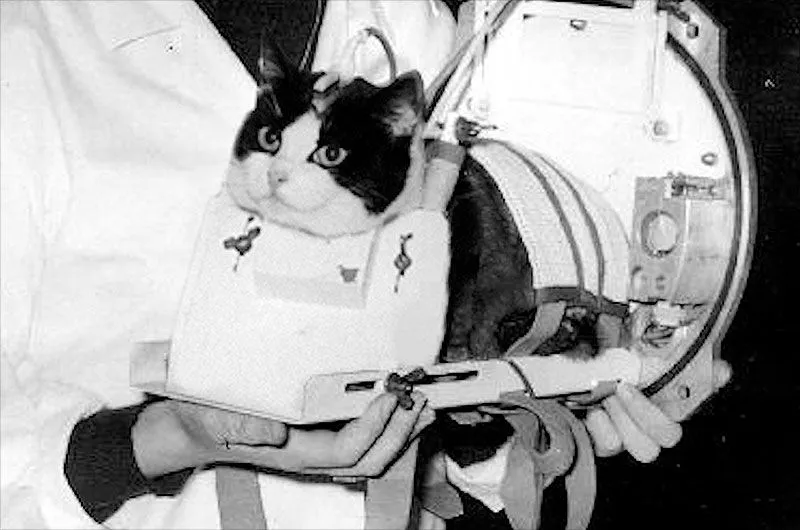
France euthanized Félicette, the first cat in space, two months after her flight
Félicette's 1963 flight made France a space-race player, but her euthanasia and a crowdfunded statue reveal how high-risk programs are remembered.
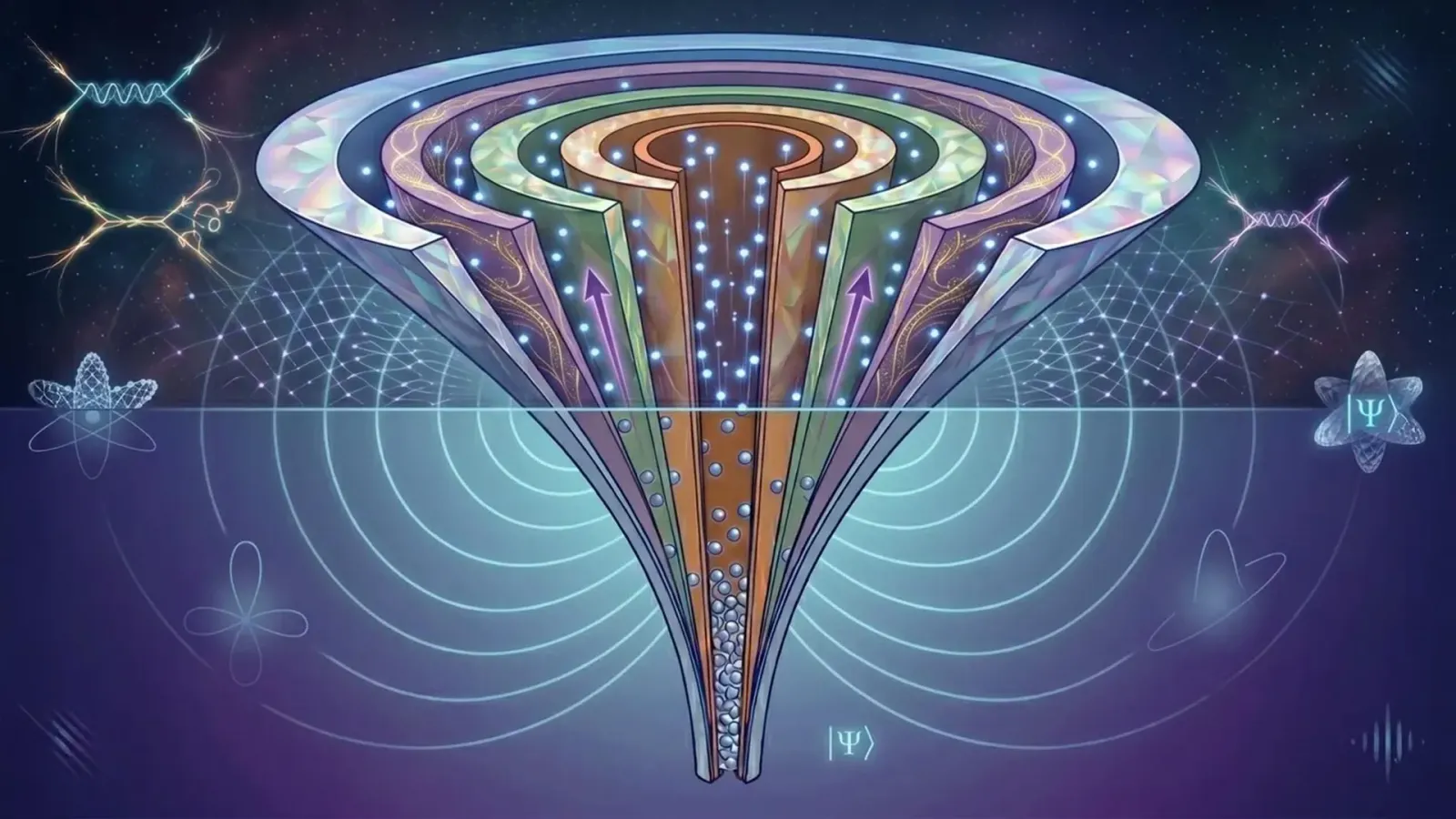
Ultracold atoms just created a 'fractional Fermi sea' that breaks quantum rules
A new quantum state challenges decades of theory and hints at 'super-Fermions,' with real stakes for quantum computing and materials science.
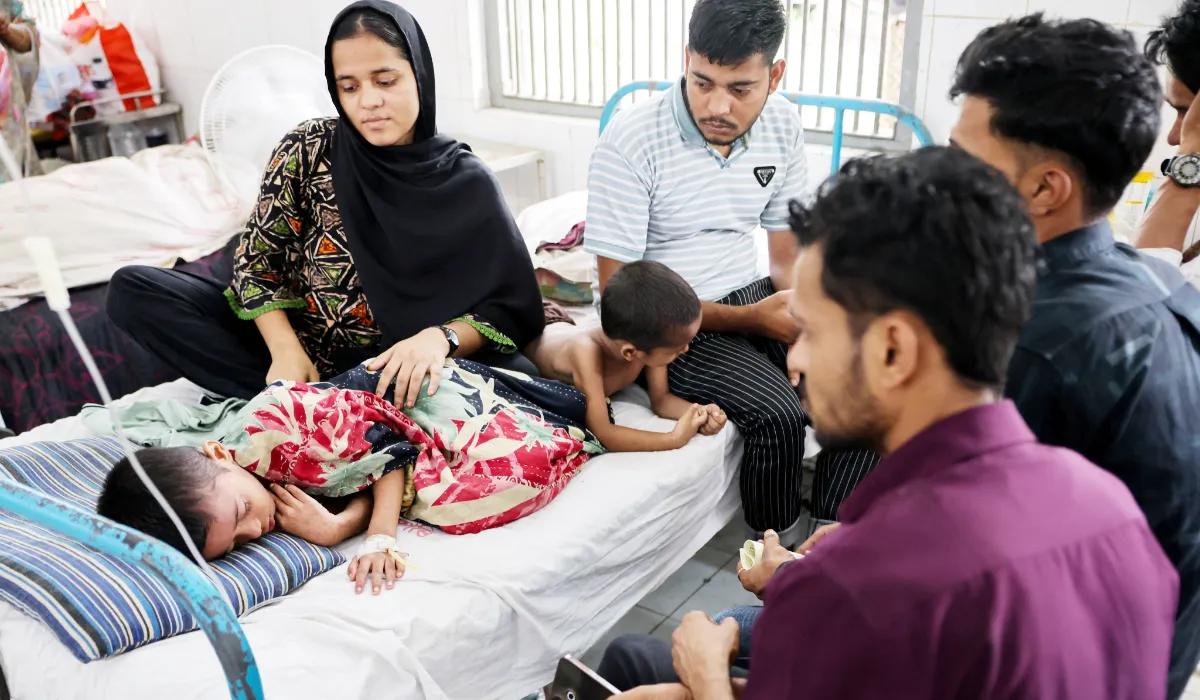
Bangladesh's 202,000 measles cases are a 'real warning' to other nations
The world's worst measles outbreak is spreading as routine vaccination falters. Here is why every country's immunization program should pay attention.