
NASA’s June 29, 2026 NextSTEP-3 Appendix A draft targets TRL 5-6 for lunar tech
The draft BAA calls for risk reduction and ground-based testing to mature solar, ISRU oxygen, Stirling RTGs, and more.
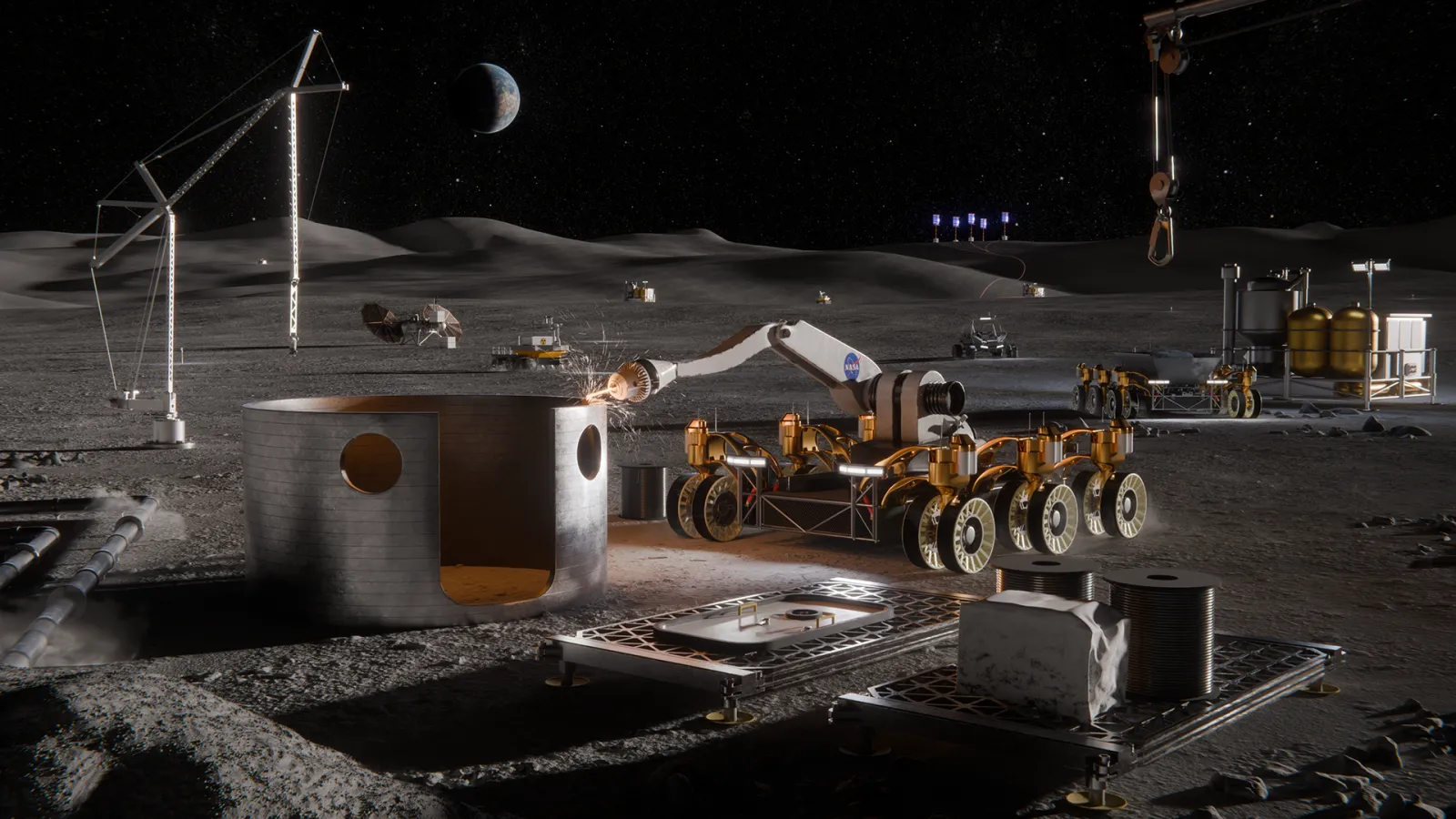
On June 29, 2026, NASA issued a draft Broad Agency Announcement (BAA) under NextSTEP-3, Appendix A, to accelerate the technological readiness of critical systems for lunar surface and cislunar architecture. The solicitation aims to close technology gaps, fund efforts through TRL 5-6 maturity, and help demonstrate systems tied to NASA’s Moon Base goals.
NASA just put out a draft NextSTEP-3, Appendix A BAA on June 29, 2026, with a very specific mission: push key lunar and cislunar systems up into TRL 5-6 through risk reduction and ground-based testing. In plain English, this is NASA trying to turn “promising concepts” into “test-proven capabilities” that can survive real mission environments, not just PowerPoint reviews.
The draft solicitation spells out the target outcomes and the problem it is trying to solve. NASA says it wants to close key technology gaps and mature capabilities that enable lunar surface and cislunar architecture. The focus areas include vertical solar arrays, ISRU oxygen production systems, Stirling radioisotope generators, in-space manufacturing, and advanced nanomaterials production. NASA also makes it clear it is looking for technology areas that require further risk reduction and ground-based testing to mature competing solutions to TRL 5-6. This is not exploratory science. It is a controlled push from “understood” to “deployable enough to matter.”
Why this matters to decision-makers is that TRL 5-6 is where procurement and program planning start to feel real. Early-stage work can be interesting. TRL 5-6 work is actionable. It is the point where engineering teams start arguing less about whether a concept can work and more about how reliably it can work, at what scale, and under what integration constraints. When NASA centers funding on ground-based testing for competing solutions, it is effectively asking, “Show us which approaches survive scrutiny,” before those approaches get expensive to take to the Moon.
There is also an incentive structure baked into how the lunar stack is usually built. Lunar surface operations typically require power, consumables, logistics efficiency, and the ability to produce or repair critical components. That is why the BAA’s topic list reads like a map of the bottlenecks: power from vertical solar arrays, life-support support from ISRU oxygen production systems, deep-reliability energy from Stirling radioisotope generators, and scalability from in-space manufacturing and advanced nanomaterials production. If you are a vendor, a lab, or a consortium, the message is straightforward: align your program to the system-level needs, then demonstrate risk reduction through testing that can justify moving forward.
Notice the framing, too. NASA says funded efforts will “advance the technology objectives of NASA’s Moon Base by demonstrating critical systems and accelerating the development of transformative capabilities needed for near-term mission success.” That phrase is doing heavy lifting. It signals that the solicitation is tied to a broader, near-term roadmap, not just a generic R&D catalog. For boards and leadership teams, this is the difference between winning a grant that produces publications and winning a grant that shortens the distance between concept maturity and integration.
This solicitation also sits inside a familiar regulatory and administrative ecosystem: NASA is publishing the draft BAA under NextSTEP-3, Appendix A, on SAM.gov. That means the process is visible to the broader market, and it invites industry participation through a formal announcement rather than behind-closed-doors partner selection. For executives, that visibility is a double-edged sword, because it increases competition for attention and resources, but it also makes the rules of engagement clearer. If you are watching your pipeline, this is the kind of early signal that can help teams decide whether to mobilize proposal work now, rather than late.
And because the topic areas span power, oxygen production, energy generation, manufacturing, and materials, second-order implications pop up for anyone planning budgets or partnerships. For example, vertical solar arrays and in-space power generation approaches are not interchangeable if integration assumptions differ. ISRU oxygen systems can shift mission mass and logistics requirements, but only if reliability and test data reach the level NASA is targeting. Stirling radioisotope generators bring a different reliability story, but they also introduce their own system integration needs. In-space manufacturing and advanced nanomaterials production push capability outward, but again, only if testing reduces the key risks enough to justify transition.
Bottom line: NASA’s June 29, 2026 draft BAA is trying to compress the timeline from technology risk to mission relevance by targeting TRL 5-6 maturity via risk reduction and ground-based testing. If you are an executive in the space tech ecosystem, this is your cue that the agency wants fewer “competing ideas” and more “competing solutions” with test-backed readiness. The winners in this space will be the teams that can translate lab promise into engineering proof at the TRL level that program leaders can actually schedule, budget, and integrate.
This story's Key Insights and Take-aways are locked.
Create a free account to unlock Executive Actions for one credit.
Register to UnlockAlways free for Executives Club members. Join the Club
More in Science

Alaska's 1,580-foot tsunami had warning signs. Scientists just found them.
Rapid glacier retreat, heavy rainfall, and thousands of tiny tremors preceded Alaska's 1,580-foot tsunami, a warning for every coastal community in a warming world.

The rare mutation that lets high-risk brains dodge Alzheimer's
Scientists found a natural defense against protein buildup, opening a new path to preventive treatments.

3,000 steps a day may halve Alzheimer's decline, study finds
New research links a modest daily walk to less tau buildup and nearly half the cognitive and functional decline, even for those with early signs.