
NASA's Roman telescope will capture 1,000 Hubble-years every 10 months
Roman's survey power could crack dark matter and dark energy; it's a data problem.
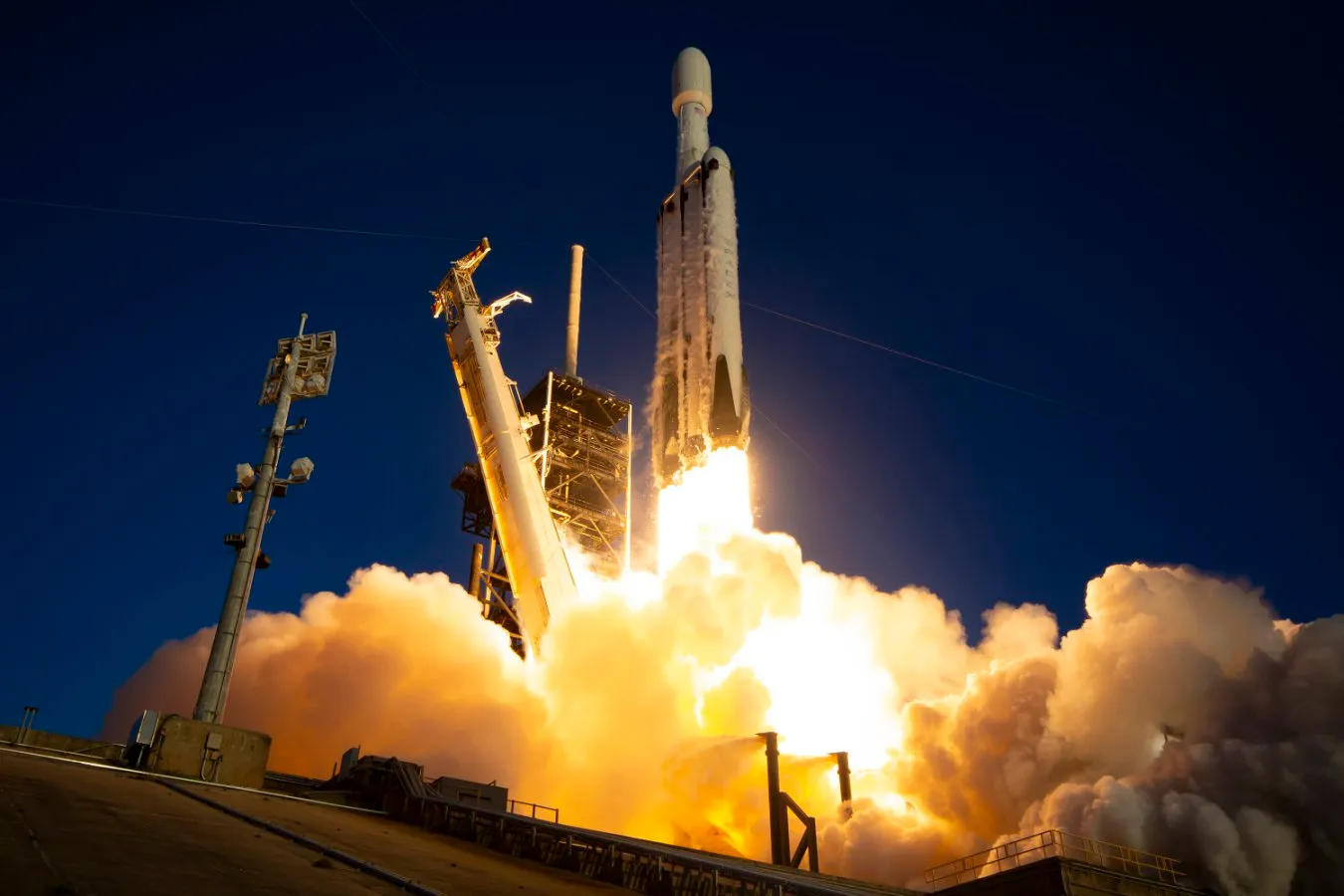
NASA's Roman Space Telescope, the agency's newest observatory, will gather the equivalent of 1,000 years of Hubble observations every 10 months. For decision-makers, that means a flood of astronomical data that could unlock the universe's biggest unknowns and demand new tools for analysis.
Every 10 months, NASA's Roman Space Telescope will collect as much data as the Hubble Space Telescope has produced in 1,000 years. That is the headline number from the agency's newest observatory, and it is the reason the mission could finally answer the biggest questions in cosmology. Roman is not just another telescope; it is a survey machine built to map the universe on a scale that was previously impossible.
The questions are dark matter and dark energy. Together, these two invisible forces are thought to shape the expansion and structure of the universe, yet scientists have never directly observed either. Roman's mission is to survey the sky in unprecedented detail, gathering the data needed to test theories of dark matter and dark energy. If it works, it will be the first observatory with enough statistical power to distinguish between competing models.
For context, Hubble has spent more than three decades peering at small patches of sky, producing iconic images and groundbreaking discoveries. Roman is built for a different job: sweeping across enormous regions of the sky in a single observation. That wide-field capability is what allows it to accumulate a thousand Hubble-years of data in just ten months. It is a fundamental shift in how astronomy is done, from a craft that examines individual objects to an industry that processes entire skies.
The scale of Roman's output will be a challenge for the scientists who receive it. A thousand Hubble-years of data every ten months means petabytes of information flowing to Earth, and that data will not analyze itself. The mission will demand automated pipelines, machine learning algorithms, and cloud-scale computing to turn raw images into usable science. For executives in the data and technology sectors, this is a preview of the future: scientific discovery is becoming a big-data problem, and the tools that handle Roman's data will likely find their way into commercial applications.
The stakes are enormous. Dark matter and dark energy are thought to make up the vast majority of the universe, yet they remain almost entirely mysterious. If Roman provides the data to confirm or rule out current models, it will reshape physics, cosmology, and our understanding of reality itself. If it does not, it will still produce the most detailed map of the universe ever created, a resource that will fuel research for decades.
For decision-makers, the Roman telescope is a reminder that the biggest breakthroughs often come from the boldest bets. NASA has invested heavily in this observatory, betting that a single instrument can answer questions that have puzzled humanity for centuries. That kind of ambition is rare in the private sector, but the payoff can be transformative. The data Roman produces will not just be for astronomers; it will be a public resource, available to researchers, companies, and curious minds around the world.
The mission also highlights the growing convergence of space, data, and artificial intelligence. Roman's success will depend on software as much as hardware, and the techniques developed to handle its data will likely influence everything from autonomous vehicles to medical imaging. For leaders in any industry that relies on large-scale data analysis, Roman is a case study in how to turn an overwhelming flood of information into actionable insight.
The bottom line: Roman is not just a telescope. It is a bet on the power of observation, computation, and human curiosity. Over the next decade, its data will be parsed by scientists, debated by theorists, and perhaps, one day, used to rewrite the textbooks. For the rest of us, it is a chance to watch history unfold in real time, and a reminder that the biggest questions still have answers waiting to be found.
This story's Key Insights and Take-aways are locked.
Create a free account to unlock Executive Actions for one credit.
Register to UnlockAlways free for Executives Club members. Join the Club
More in Science
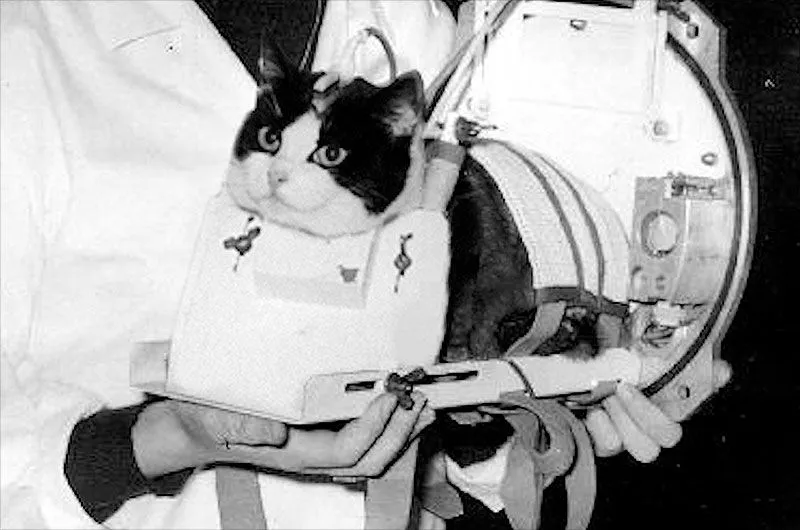
France euthanized Félicette, the first cat in space, two months after her flight
Félicette's 1963 flight made France a space-race player, but her euthanasia and a crowdfunded statue reveal how high-risk programs are remembered.
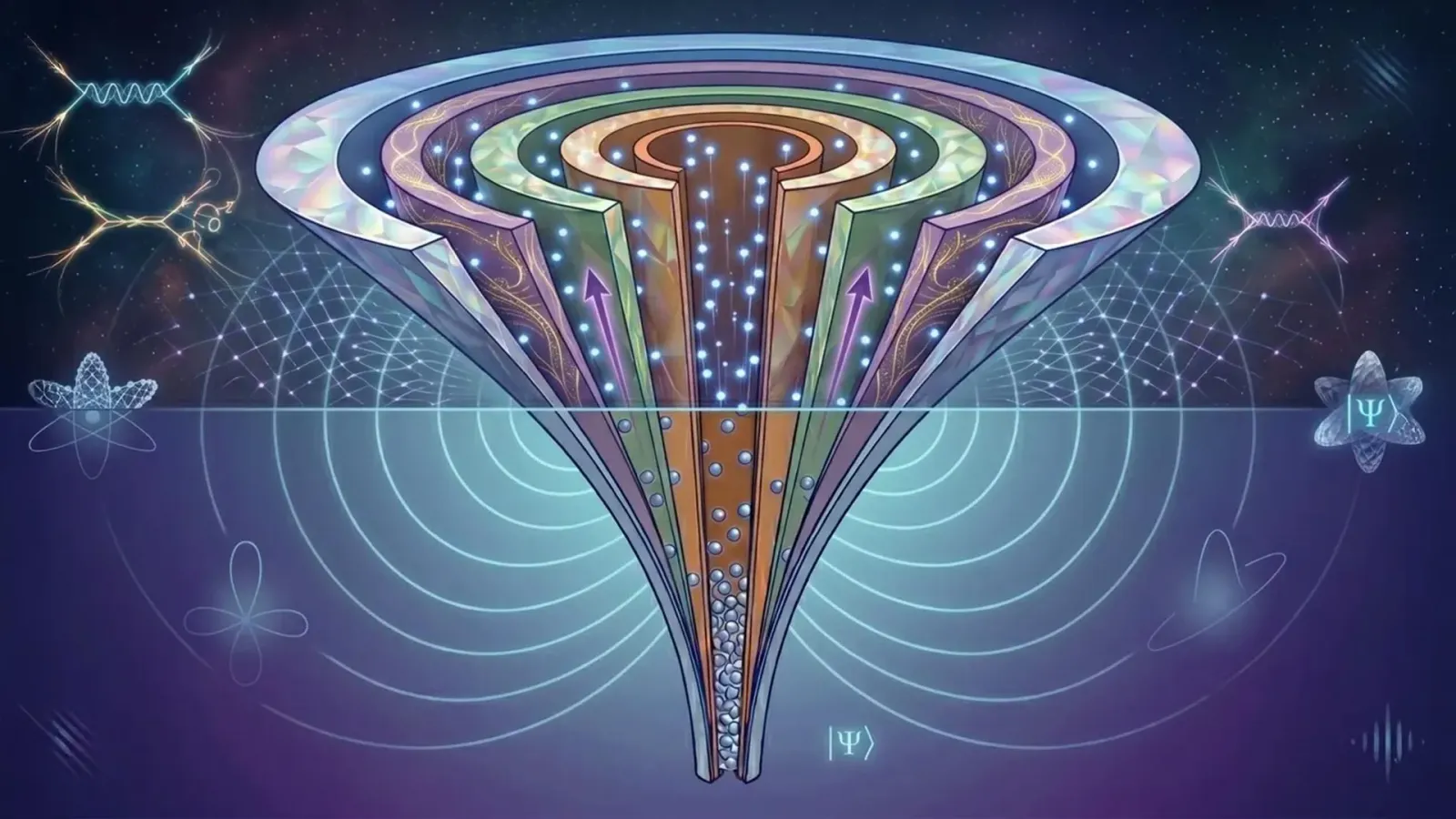
Ultracold atoms just created a 'fractional Fermi sea' that breaks quantum rules
A new quantum state challenges decades of theory and hints at 'super-Fermions,' with real stakes for quantum computing and materials science.

Bangladesh's 202,000 measles cases are a 'real warning' to other nations
The world's worst measles outbreak is spreading as routine vaccination falters. Here is why every country's immunization program should pay attention.