

NCP’s Anish Gawande says Modi’s “architecture of fear” met fearless student protests
A generational rupture in India’s politics reframes campus protests as accountability pressure, not education policy.
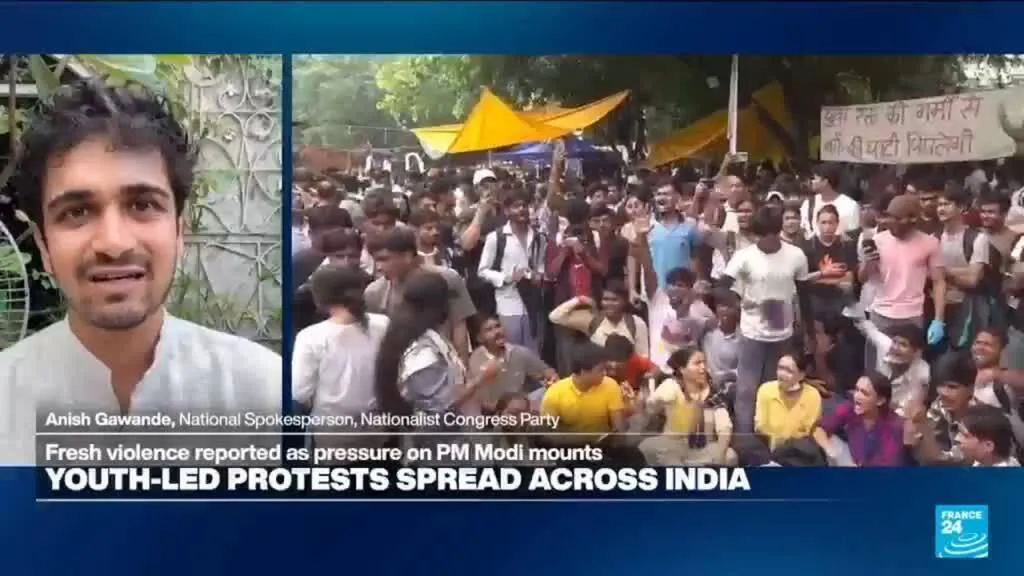
Anish Gawande, National Spokesperson for India’s Nationalist Congress Party (NCP), says student protests signal a generational rupture under Narendra Modi’s government. Decision-makers should treat the unrest as a shift in political tolerance for opacity and intimidation, with implications for how governments and parties manage legitimacy.
Angela Diffley is pleased to welcome Anish Gawande, National Spokesperson for the Nationalist Congress Party (NCP). In that conversation, Mr. Gawande argues that India’s student protests are not just another round of campus dissatisfaction. They represent a generational rupture in Indian politics, fueled by a politically fearless youth unwilling to accept what he calls a decade-long “architecture of fear” under Narendra Modi’s government.
That framing is the headline, and it matters. If Gawande is right, the protests are less about education policy minutiae and more about accountability. In his view, the movement is about forcing clearer answers, not simply changing curricula. He also suggests a widening gap between a government accustomed to political dominance and a generation that no longer treats opacity or state intimidation as the natural cost of doing politics.
To understand why this is a big deal for decision-makers beyond the campus gates, it helps to translate “architecture of fear” into incentives. Governments and ruling parties that rely on intimidation or information control can stabilize the short-term operating environment for institutions. But that approach tends to produce a slow legitimacy debt. When a politically fearless youth emerges, the debt stops being theoretical. Students become participants in the political process, not just observers. That is how a protest wave can shift from episodic noise into sustained pressure.
Gawande’s distinction between accountability and education policy is also important. It implies that even if policymakers adjust specific education measures, the core demand may remain intact: the question of how transparent, responsive, and accountable the state is when faced with dissent. In other words, policy tweaks can feel like surface-level fixes if the underlying issue is perceived intimidation or non-responsiveness. That is the kind of mismatch that frustrates executives who expect governance problems to be solved with targeted reforms.
Now zoom out to the political economy around protests. India has had waves of youth-driven activism before, but what Gawande emphasizes is generational fearlessness, which changes the risk calculus for both protesters and authorities. When young people believe the “cost” of speaking has decreased, participation can spread. When authorities believe that force or intimidation will quiet dissent, they may misread signals from a population that is increasingly willing to absorb consequences. That dynamic can turn a contained dispute into a broader narrative battle about the state itself.
There is also a governance and communications angle. The source describes a government accustomed to political dominance. That matters because dominant parties often run politics like an internal process: message discipline, controlled access, and predictable outcomes. But mass protests can break that model. If the public narrative becomes “opacity and intimidation versus accountability,” then traditional party messaging may not land, regardless of how well specific policy points are explained. Decision-makers then face a tougher job: they need to manage legitimacy, not just policy implementation.
For boards and investors watching politics as a risk factor, the second-order implication is operational. Political legitimacy affects everything from regulatory predictability to the pace at which institutions can execute reforms. Even though the source does not provide financial figures or regulatory changes, the logic is straightforward: when a government’s relationship with dissent shifts, the environment surrounding institutions often becomes less stable. Companies do not need to be “involved” to be affected. Markets price uncertainty, regulators can face changing priorities, and public-sector partners may recalibrate how quickly they act.
Finally, there is the strategic stakes for peers in similar roles. If student protests are indeed framed as a generational rupture and a rejection of the “architecture of fear,” then governments and parties that dismiss the moment as education-related may be undershooting what the public actually wants. Gawande’s argument points to accountability as the core issue. That means the winners will likely be those who can demonstrate transparency, reduce perceived intimidation, and communicate in a way that matches the expectations of a younger political generation. If not, the gap he describes can widen further, turning today’s campuses into tomorrow’s pressure points.
This story's Key Insights and Take-aways are locked.
Create a free account to unlock Executive Actions for one credit.
Register to UnlockAlways free for Executives Club members. Join the Club
More in Politics
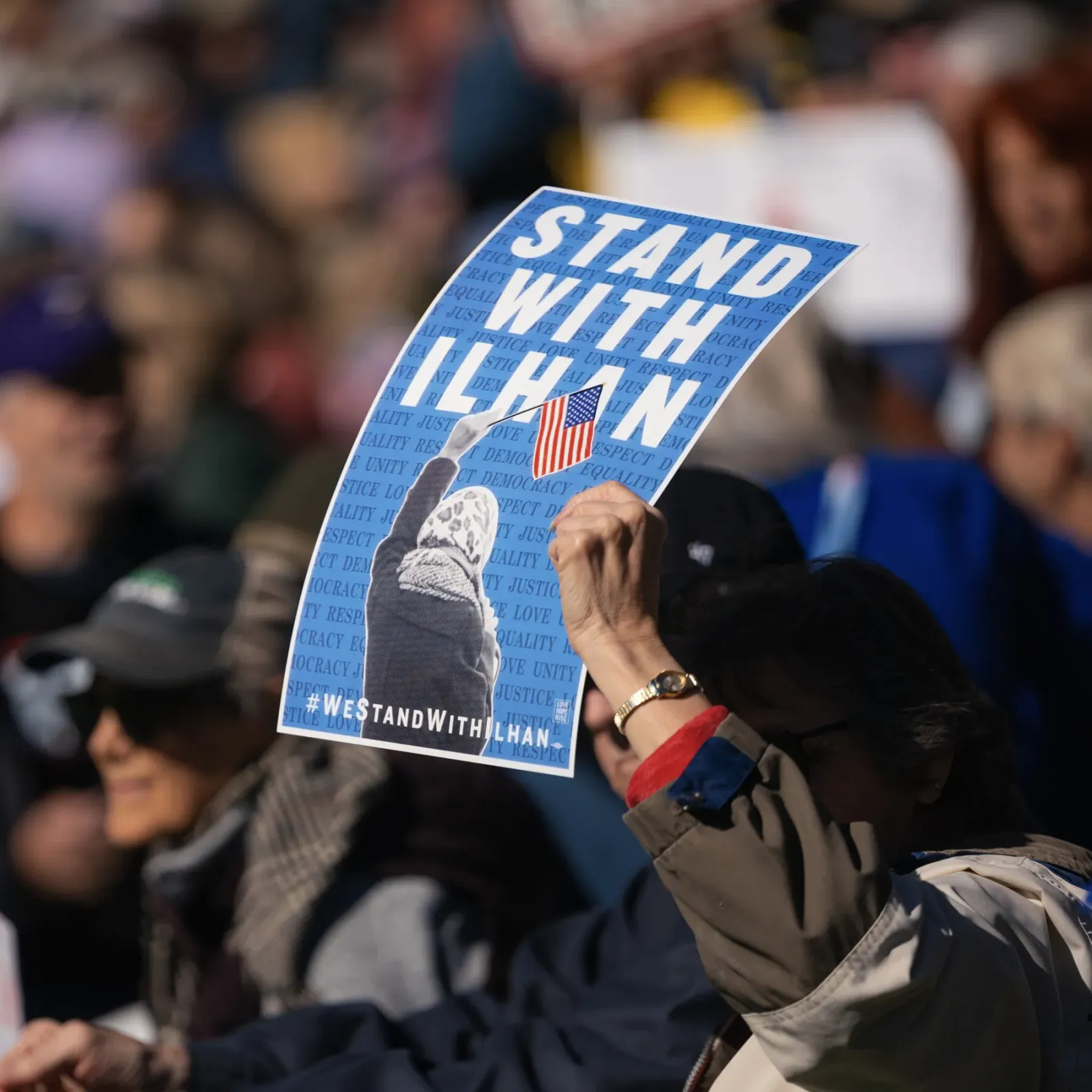
Obama Defends Ilhan Omar After Agents Search Her Home in Trump Inquiry
The former president's intervention raises the stakes in a federal probe into immigration paperwork that has put a prominent progressive lawmaker in the crosshairs.

Blair-era minister: cut welfare to fund youth job support
Alan Milburn's call for welfare cuts to fund employment support opens a Labour fight over benefits and the Neet crisis.

Hot September CPI: energy costs surge, voters feel the squeeze before midterms
The latest inflation print lands as Trump campaigns for GOP control of Congress, putting cost-of-living worries at the center of the midterm fight.