

Neon picks up Guadagnino’s Artificial after Amazon MGM refuses to release it
A “nearly finished” Sam Altman bio-drama gets a new home, after Amazon worries it will jeopardize OpenAI ties.
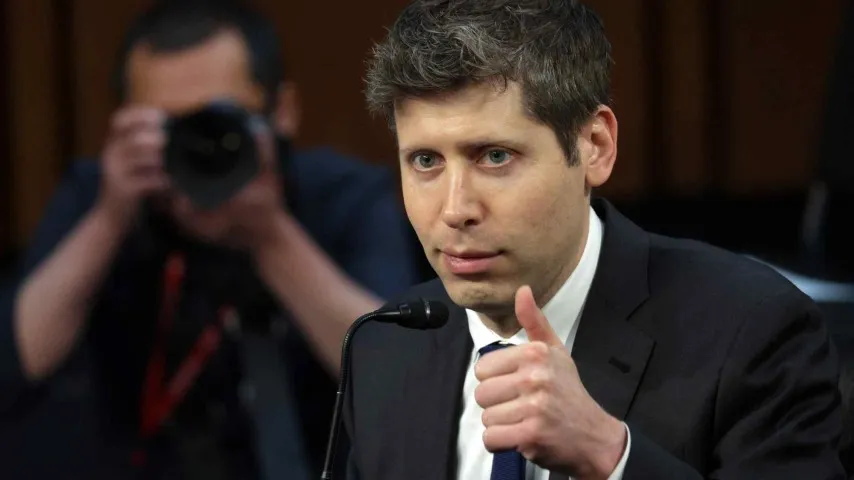
Amazon MGM chose not to release Luca Guadagnino's nearly finished bio-drama Artificial, which dramatizes the weekend when Sam Altman was ousted from OpenAI. Neon is now picking up the film, creating a distribution chess move that matters to any Hollywood-tech partnership team.
Amazon MGM has decided it is better not to release Luca Guadagnino's nearly finished bio-drama Artificial. The film dramatizes the weekend when Sam Altman was ousted from OpenAI, and the studio’s reluctance appears rooted in a simple fear: it may not have been sufficiently sympathetic toward Altman, his board members believing him to be a "sociopath".
That hesitation is now effectively being reversed by Neon, which Puck's Matt Belloni reports is picking up the “hot-potato Sam Altman” movie, with an announcement coming later this week. Translation for the decision-maker brain: a distributor is stepping in fast, because the content is controversial enough to be a liability for one major studio but still compelling enough to move forward under a different banner.
To understand why this matters, you have to zoom out from one release decision and look at how deeply tech companies are now embedded in Hollywood. This is not just about one film’s politics. Amazon MGM is a studio owned by Jeff Bezos, and last week’s decision exposed how artistic freedom can get hemmed in by corporate incentives. In the source’s framing, Amazon abruptly decided it would "be better served" if another studio “burned its relationship” with the billionaire drowning the internet in slop. More importantly, it might have damaged the strategic partnership Amazon entered with OpenAI in February.
That last point is the real fulcrum. When a studio has a strategic partnership with a company at the center of the story, releasing a film that dramatizes internal board-level drama stops being a pure creative choice. It becomes a risk management problem. And Artificial is, by design, not a neutral documentary. It is a Guadagnino dramatization of a high-scrutiny moment for OpenAI and its leadership, which means every distribution partner is implicitly choosing which side of the controversy to stand closer to.
The source also signals something else: this kind of pressure is not new. Guadagnino, speaking last week, said, "Unfortunately, I can’t say much because we are right in the middle of this situation," adding that these are “industrial policies that are certainly not new.” The important part is that he portrays the issue as structural, not exceptional. In other words, the studios are not suddenly learning that tech-adjacent power can shape creative output. They are just seeing it tighten again.
This is where board dynamics and narrative sympathy come into play. The description in the source is specific: the film was apparently insufficiently sympathetic toward Altman, and his board members believe is a "sociopath." Whether or not readers agree with that characterization, the operational takeaway is blunt. If the film’s portrayal triggers the wrong stakeholder sensitivities, the project can stall, even if it is “nearly finished.” Studios do not have to fully dislike a story to stop it. They only need to believe the story creates a probability-weighted harm larger than the potential upside.
Now the question becomes: why Neon, and why now? According to the report, Neon is taking the film as a “hot-potato Sam Altman” project, with an announcement later this week. That phrase is doing work. It implies the movie carries reputational and partnership risk that makes some players hesitate, but it also suggests Neon thinks it can absorb that risk and still benefit from the attention such a story naturally attracts. In Hollywood terms, controversy can be oxygen. In corporate terms, controversy can be a liability. Neon seems to be betting it can handle the difference better than Amazon MGM.
And this is not happening in isolation. The source notes last week that A24 entered a $75 million relationship with Google DeepMind. That might sound like a separate item, but it points to the broader pattern: AI and tech partnerships are seeping into the production and distribution ecosystem. The source even draws a provocative connection, asking whether A24 would be interested in a drama detailing how and why Google destroyed its flagship product, Search, to compete with Altman’s chatbots. Even without claiming anything beyond the question, the meta point is clear. As tech money and tech strategy get embedded, the range of “safe” stories shrinks for some studios and expands for others, depending on who has the closest ties to the subject.
For executives, the second-order implication is that distribution choices are becoming a proxy for corporate relationships. If you are a studio head, an investor, or a board member overseeing content strategy, you are no longer choosing only between scripts, directors, and audiences. You are choosing between partnership optics, stakeholder narratives, and whether the company holding the film has overlapping interests with the people the film depicts. Artificial is a case study in how quickly a production can move from creative momentum to distribution chess. And once a competitor like Neon steps in, the market lesson is harder: hesitation can become leverage for someone else to take the punch and still win the audience.
This story's Key Insights and Take-aways are locked.
Create a free account to unlock Executive Actions for one credit.
Register to UnlockAlways free for Executives Club members. Join the Club
More in Business

A flaw in PHP just forced governments to pull their own sites offline
European agencies from Belgium to Germany took websites dark to patch a critical weakness in the language behind almost 70% of the web, and the blast radius extends far beyond government portals.
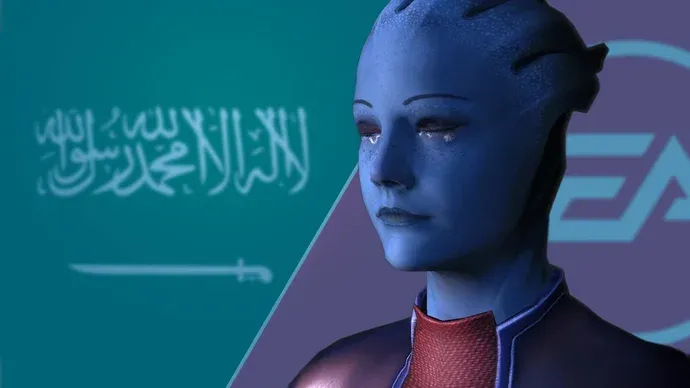
BioWare shuts down, Mass Effect 5 dead after $55B EA buyout
The legendary RPG studio's closure lands months after a $55 billion investment group buyout of EA, raising tough questions for gaming's biggest acquirers.
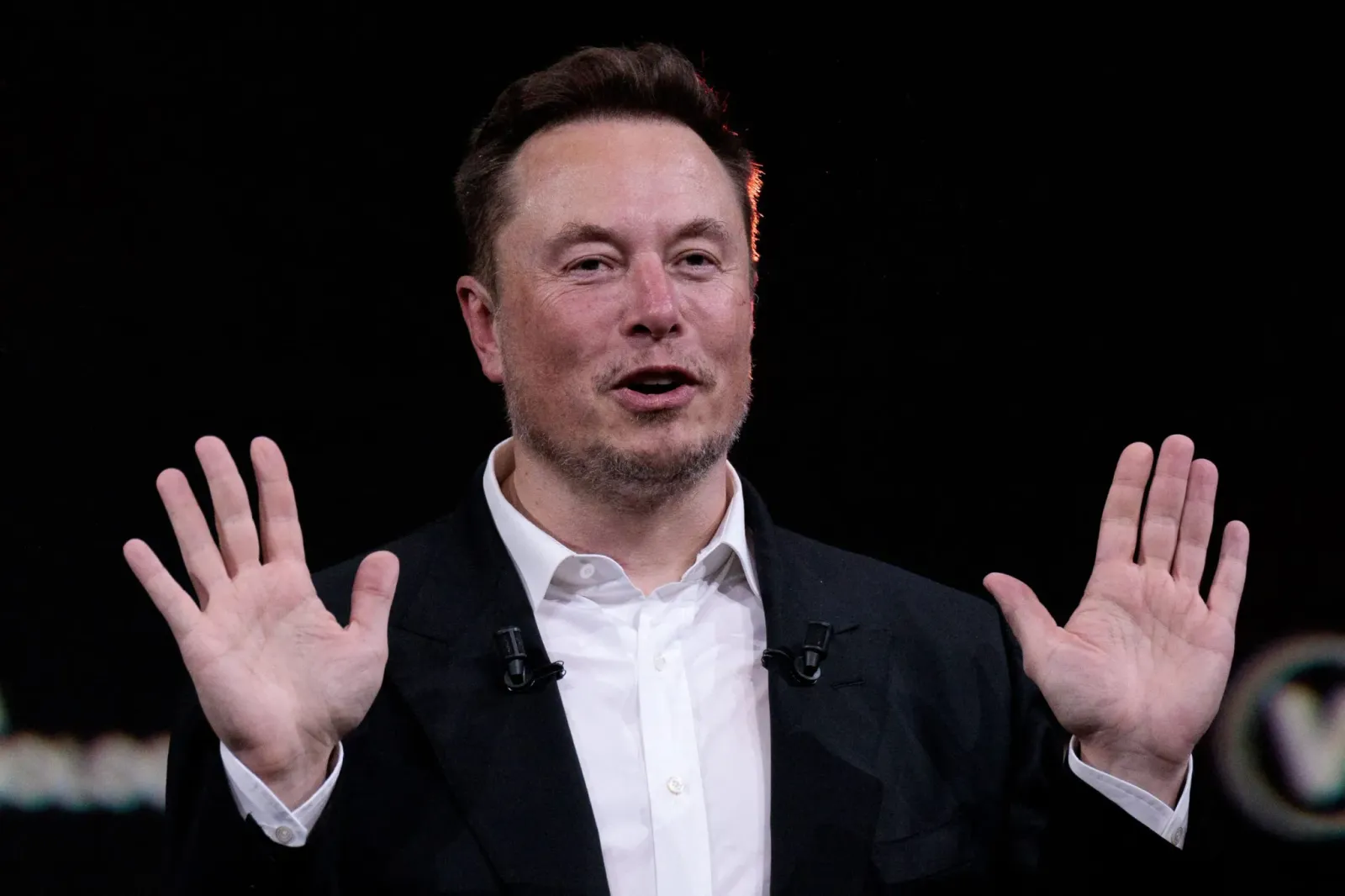
Musk barred from the room as Tesla, SpaceX boards weigh $3.5 trillion merger
The CEO of both companies is a 'conflicted party' watching independent directors negotiate a tie-up that would create a $3.5 trillion giant he would own about a third of.