
Netflix debuts Gene Wilder AI voice for Wonka reality show, fans call it “pure evil”
Willy Wonka's The Golden Ticket uses an AI recreation of Wilder's narration, and the backlash is spilling into the AI ethics debate.
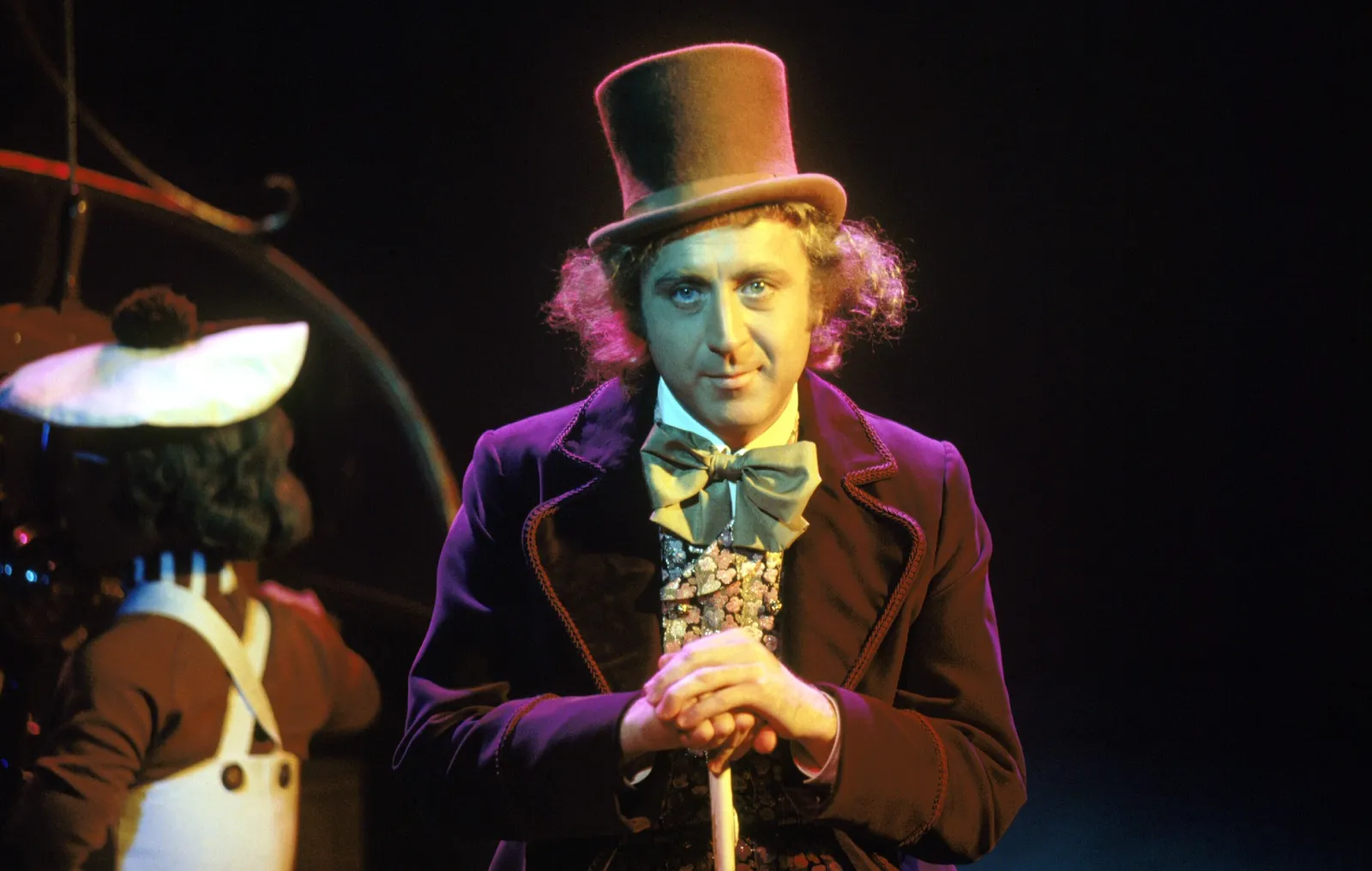
Netflix is preparing Willy Wonka: The Golden Ticket, a reality competition series narrated in its first trailer by an AI-generated Gene Wilder voice. The controversy matters to decision-makers because it spotlights how quickly “consent” and “legacy” arguments collide with brand risk and emerging governance around synthetic media.
Netflix is about to release Willy Wonka: The Golden Ticket on September 23, and the first trailer is already lighting up social media. The narration is delivered by an AI-generated version of Gene Wilder's voice, the star of the 1971 film adaptation Willy Wonka and the Chocolate Factory, and fans are reacting with unusually sharp anger, calling it “pure evil” and “ghoulish.”
Wilder died in 2016, but his wife has granted permission to use an AI recreation of his voice for the series, according to the report. That consent detail is important, but it has not insulated the move from backlash. On X (formerly Twitter), at least one user wrote on June 30, 2026: “Fucking Sick. and I don't mean that as a compliment,” adding, “Gene Wilder is GONE and so is his magic. This is pure evil to use his memory with AI crap. Netflix has reached all time LOWS.” Another user also posted on June 30: “I would rather Netflix let Gene Wilder rest instead of turning him into AI slop,” while others echoed themes of “dystopian” technology and calls to “let the man rest.”
So what is this show, exactly? Willy Wonka: The Golden Ticket is described as a reality competition series. It features contestants and their chosen partners competing for prizes in a recreation of the titular location from Roald Dahl's Charlie And The Chocolate Factory. Netflix’s trailer has been the flashpoint, because Wilder’s voice is so tightly associated with the character in pop culture. For many viewers, Wilder is not just a performer who happened to lend a voice. He is described here as the “definitive portrayal” of the role, which raises the emotional temperature around repurposing his sound.
From a business perspective, the key tension is that permission does not equal acceptance. The report says Wilder’s wife granted show permission to use an AI recreation of his voice. Yet the online reaction focuses less on the legal or contractual mechanism and more on whether the act feels like honoring a legacy or consuming it. One post framed it as turning a “dead man’s voice” into something like “free stock footage,” implying a broader pattern: that legacy assets get “gutted” for the next cash grab instead of making something original. Whether one agrees with that characterization or not, it is a warning signal for media companies: audience trust is not purely a compliance question. It is also a values question, and values arguments travel fast.
This also lands inside a wider, ongoing debate about AI in entertainment. The report points out that voice and likeness usage in AI-generated content has been divisive, noting that some actors have permitted their image to be incorporated into new productions. It gives context with prior examples. In 2022, two years before his death, James Earl Jones allowed his voice to be used for Darth Vader after retiring from acting. The AI-generated version of his voice was included for the 2022 series Obi-Wan Kenobi. That example matters because it shows how “consent” can be part of the narrative, not just a footnote.
At the same time, the report also shows the other side of the equation. It notes objections from well-known figures to AI clones of their voices appearing online. In 2024, David Attenborough criticized the technology, remarking: “I greatly object to them using it to say whatever they wish.” Last year, actor Morgan Freeman said his lawyers were “very busy” taking action against copycats. He told The Guardian: “I don’t appreciate it and I get paid for doing stuff like that,” and added, “So if you’re gonna do it without me, you’re robbing me.” Put together, these examples show a split that executives cannot ignore: the friction is not only about what technology can do. It is about who controls it, how it is authorized, and whether the use aligns with the original person’s implied intent.
There is also a governance implication here that boardrooms should treat as urgent, even if the show ultimately launches. When a major studio uses an AI voice in a mainstream franchise, the backlash becomes a real-time stress test for their risk assumptions. Social platforms amplify outrage, but regulators and lawmakers tend to follow once public controversy turns into a repeat pattern. Even when specific legal requirements are not detailed in the report, the underlying direction is clear: voice and likeness are increasingly treated as regulated assets, and companies are being forced to think about consent, attribution, and user disclosure. The Wonka story is a case study in how quickly an entertainment decision becomes a reputational governance story.
Second-order, the takeaway for executives is that synthetic media can accelerate audience expectations and contract complexity at the same time. If viewers expect “original” art, but marketing uses recognizable human attributes enhanced by AI, then the business benefits can be outweighed by trust costs. And if peers are already watching how other celebrities negotiated permission or objected to clones, each new launch becomes part of an emerging precedent set. The strategic stakes are simple: whoever treats AI voice as a minor production detail will likely discover it is now a brand and governance issue with direct revenue impact.
This story's Key Insights and Take-aways are locked.
Create a free account to unlock Executive Actions for one credit.
Register to UnlockAlways free for Executives Club members. Join the Club
More in Entertainment

Russell Brand's accuser 'bewildered and confused' as he denies 7 sex charges
The criminal case against the comedian is a live test of how media companies manage talent risk when serious allegations go public.

'It's a Magic Trick': Ballet Experts Say Rosalía's SNL Pose Is Impossible
Three ballet experts tell Rolling Stone Rosalía's gravity-defying SNL stillness shouldn't be possible - and why the debate is now part of the show.

Activision CMO: GTA 6 Will Boost Call of Duty, Not Bury It
Activision's top marketer says Rockstar's blockbuster will drive players back to consoles and into Modern Warfare 4, even as the company admits its recent strategy failed.