
Neuralink Patient Plays GTA 6 by Thought. The FDA Hasn't Approved Any of It
A two-minute video shows a trial participant driving boats and flying planes in Rockstar's 13-years-in-the-making blockbuster, while Neuralink's own disclaimer flags the regulatory gap that defines the whole brain-implant sector.

Neuralink, the Elon Musk co-founded brain-implant company, posted video of a clinical trial participant playing Grand Theft Auto 6 by thought, then reminded the public that its devices are investigational and unapproved by the FDA. For medtech, gaming, and accessibility executives, the episode shows how fast consumer demos now outrun clinical evidence, and why the disclaimer is the part worth underwriting.
Neuralink's newest proof point is not a chart in a lab deck. It is a two-minute highlight reel of a man playing Grand Theft Auto 6 with his mind. The company posted the video to social media on November 20, 2026, showing one of its few clinical trial participants driving boats, flying planes, and getting into shootouts in Rockstar Games' new blockbuster. The participant, who is not named in the post, said the implant let him take the character Jason through Leonida with ease, and that his previous setup left him sore. "Before the old chip and surgery, I was using a mouth stick and an iPad," he said. "I was essentially like a bird, just pecking at an iPad. There was a few games I could play, but obviously, it made your jaw sore and everything sore." Then came the chip. "Immediately, controlling a computer is like, 'boom,'" he said. "Portal to the world. You just immediately get your portal to the world back."
The caveat arrived in a follow-up post, and it deserves the same reach as the video. "Neuralink devices are investigational and have not been approved by the FDA or other regulatory authorities," the company wrote. "This content features voluntary clinical trial participants sharing their personal experiences, which may not reflect all participants or future outcomes." Read that twice. The most emotionally compelling demo in neurotech is, legally speaking, still an experiment run by a company co-founded by Elon Musk, the billionaire IGN describes as a controversial figure. The video is simultaneously a marketing asset, a recruitment tool, and a clinical artifact. The distance between those three things is where the sector's risk lives, and it is the reason the FDA sentence matters more than the firefight.
Neuralink has been here before, and the pattern is instructive. The first human patient to enter the program used the implant to stay up all night playing Civilization 6 in 2024. A few months later, he was playing Slay the Spire. Gaming has become the default demonstration for brain-computer interfaces because it is unforgiving in exactly the ways a clinical trial is not. A cursor that stutters is a nuisance in a spreadsheet. A cursor that stutters in a firefight is unplayable. Real-time games compress latency, bandwidth, and error tolerance into a single, instantly legible test that any investor, regulator, or patient can watch without a neuroscience degree.
That legibility is the point. For the participant in the video, the comparison is not abstract. A mouth stick and an iPad meant pecking at a screen until his jaw ached, and only a handful of games were playable at all. The implant, in his telling, restored a "portal to the world." That framing is worth more than any click-rate metric, because it reframes the product from a medical device into a restoration of ordinary life. Historically, assistive technology has been the beachhead for interfaces that later spread wider: the people who need a technology first are usually the ones who prove it works. For Neuralink, trial participants are simultaneously the test population, the testimonial engine, and the first evidence of demand.
Then there is the stage. Rockstar spent 13 years painstakingly crafting the world of GTA 6, and the result has attracted tens of millions of players. IGN gave it a 10/10 and called it the highest-rated video game of all time. The studio's obsession with detail, down to every blade of grass and every line of dialogue, has made some of its NPCs go viral for being especially memorable. In other words, this is the largest cultural surface a demo could possibly land on. A brain implant that can navigate Leonida can plausibly navigate a spreadsheet, a browser, or a wheelchair. Choosing the biggest game in the world as the showcase is not a coincidence; it is a distribution strategy.
The regulatory math, however, has not changed. Neuralink devices are investigational and have not been approved by the FDA or other regulatory authorities, and the company says the participant and others like him are part of an extremely limited clinical trial. That word, limited, is doing heavy lifting. It means the sample is small, the outcomes are individual, and the company's own disclaimer warns that experiences may not reflect all participants or future outcomes. For a sector that has historically been one adverse event away from a funding winter, the reputational asymmetry is brutal: a two-minute video can generate enormous goodwill, and a single bad outcome can reprice every competitor in the field. The Musk association cuts both ways, delivering attention and scrutiny in equal measure.
For executives watching from adjacent industries, the takeaway is not that brain implants are ready for consumers. It is that the demo layer of medtech now moves faster than the evidence layer. Gaming and accessibility are converging into a single proving ground, and the companies that own the platforms, the trial populations, and the assistive technology distribution will have outsized influence over which interfaces reach scale. Watch for peer-reviewed data, trial expansion, and regulatory milestones, not highlight reels. The video is a leading indicator of ambition. It is not a product, and it is not approval. The gap between those two things is the whole story.
This story's Key Insights and Take-aways are locked.
Create a free account to unlock Executive Actions for one credit.
Register to UnlockAlways free for Executives Club members. Join the Club
More in Entertainment
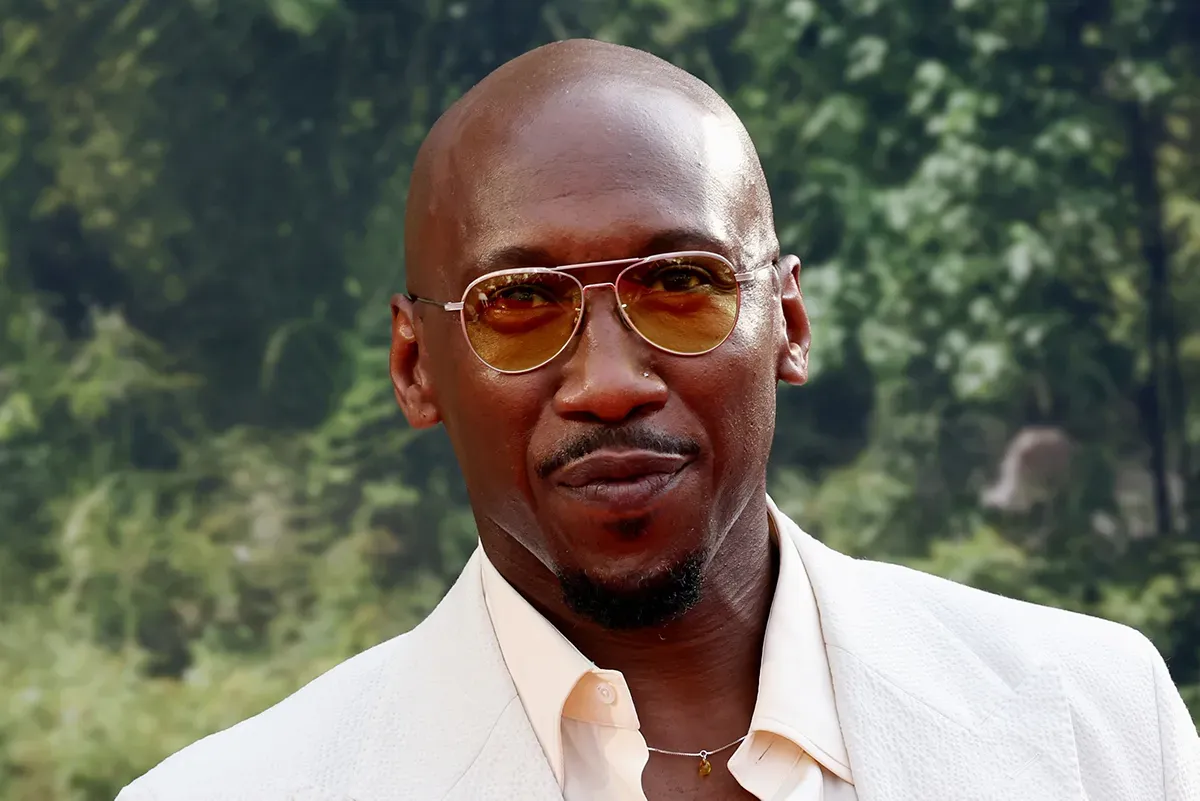
Mahershala Ali's Two Oscars Buy Him Nothing: 'There Are Not Roles for Me'
The two-time Oscar winner told the 7PM in Brooklyn podcast that his trophies do not unlock work in 'the vast majority of projects,' a blunt read on what Hollywood's franchise economy actually rewards.
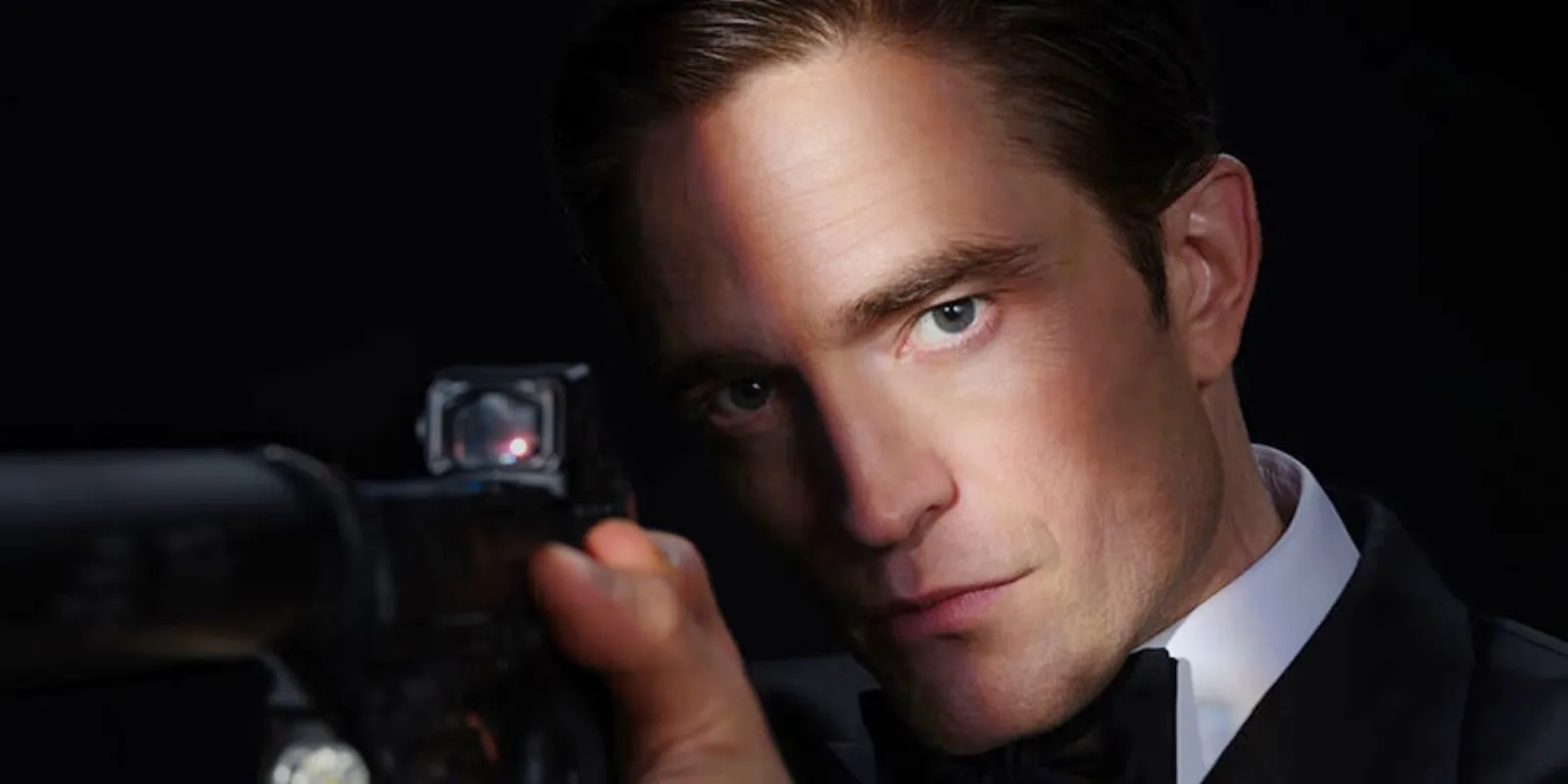
Robert Pattinson Is 007: Amazon's Bond Pick Sends a Divisive Film Surging
Amazon confirmed Pattinson as Bond under Denis Villeneuve, and within days the franchise's most controversial entry started climbing the streaming charts, a reminder that casting is catalog strategy.
GTA 6 Ate Nearly a Quarter of Comcast's Traffic on Its Biggest Day
Comcast says the November 19 launch pushed network traffic 31% above an average day, and the fine print on its own chart is the part operators should read twice.