
New Caledonia still bears 2024 riots scars, two years later
France 24 returns to Kanak independence strongholds and major towns, showing how violence reshapes daily life and politics.
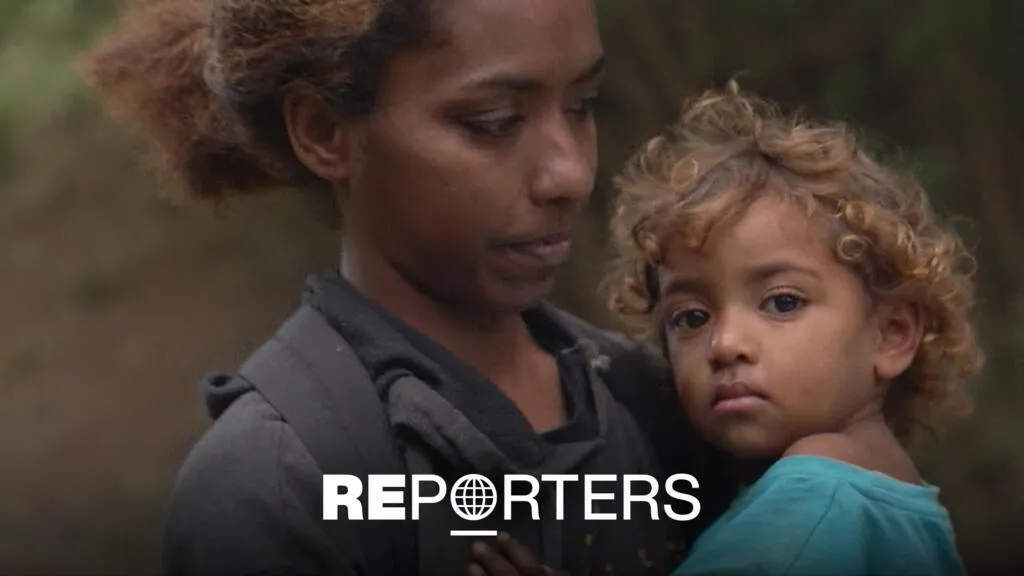
Two years after riots shook New Caledonia in 2024, France 24 returns to the French overseas territory to document how people still live with the lasting scars of the violence. For decision-makers, the story is a reminder that social breakdown in a “peripheral” region can drive long, expensive consequences that outlast the news cycle.
Two years after riots shook New Caledonia in 2024, France 24 returns to a French overseas territory still grappling with the consequences of one of the darkest chapters in its recent history. The reporting travels from the Kanak independence stronghold of Saint-Louis to Mont-Dore, Nouméa, and Bourail, meeting people living with scars that did not fade when the streets cleared.
The first thing you notice in this kind of two-year reset is the gap between public memory and lived reality. France 24’s journey across Saint-Louis, Mont-Dore, Nouméa, and Bourail is not framed as a highlight reel of “progress.” It is framed as a revisit, meaning the territory remains in the long aftermath of the violence that erupted in 2024. In other words: the story is still happening, just outside the camera angles that usually vanish after the initial crisis.
For executives, boards, and anyone making risk decisions, this is a useful lens. When unrest erupts in a region that is formally part of another country, the immediate headline is often territorial. But the second-order impacts are rarely so neat. They spill into housing stability, community trust, local security arrangements, and the ability for normal life to restart. Even when the defining events are over, the residue can keep pressure on everything that depends on day-to-day predictability.
New Caledonia’s situation matters in a broader way because it sits at the intersection of identity, political status, and the practical work of governance. The source makes clear that Saint-Louis is a Kanak independence stronghold, and it also makes clear that the reporting moves beyond there into Mont-Dore, Nouméa, and Bourail. That geographic sweep matters. It signals a territory divided not just by geography, but by how people relate to the political center and to the prospect of independence. When violence happens in that context, the aftermath can harden fault lines instead of closing them.
There is also an institutional angle that decision-makers should keep in their mental model. France 24 is describing a territory that remains “French overseas,” which typically means frameworks for administration, policing, and public services are tied to the parent state. When unrest occurs, those frameworks face stress tests: how quickly can local and national authorities restore order, how consistently can they deliver security, and how credibly can they address the political grievances that helped fuel the crisis in the first place. Two years later, the fact that France 24 is still documenting “lasting scars” suggests the hard work is ongoing, not completed.
Another second-order point is the way violence can reshape trust in institutions. After a dark chapter like the one referenced by the source, people may be more cautious about collaborating with authorities or about participating in civic processes. That can affect everything from public procurement and local business continuity to the stability of community programs that rely on participation. Even without any new numbers or named institutions in the source, the structure of the reporting implies an environment where rebuilding is not simply physical. It is social, political, and administrative.
For investors and operators, the strategic stake is straightforward: risk does not evaporate because the calendar moved to “two years later.” Unrest can create a long tail of uncertainty that influences everything from insurance pricing to staffing decisions, from supply chain resilience to reputational risk. And for multinational companies that touch overseas markets, the lesson is that “local” turmoil can become a constraint on local performance for far longer than expected.
France 24’s choice to return and to travel between Saint-Louis, Mont-Dore, Nouméa, and Bourail underscores that the territory is still living through the consequences of 2024. That has implications for peer regions watching New Caledonia as a case study in what follows after riots: even when the worst moments pass, the longer story continues. The strategic challenge for leaders is to recognize that the end of active violence is not the end of disruption, and the cost of ignoring social fractures can persist in ways that budgets, compliance plans, and standard crisis playbooks struggle to capture quickly.
This story's Key Insights and Take-aways are locked.
Create a free account to unlock Executive Actions for one credit.
Register to UnlockAlways free for Executives Club members. Join the Club
More in Politics
Obama Defends Ilhan Omar After Agents Search Her Home in Trump Inquiry
The former president's intervention raises the stakes in a federal probe into immigration paperwork that has put a prominent progressive lawmaker in the crosshairs.

Blair-era minister: cut welfare to fund youth job support
Alan Milburn's call for welfare cuts to fund employment support opens a Labour fight over benefits and the Neet crisis.

Hot September CPI: energy costs surge, voters feel the squeeze before midterms
The latest inflation print lands as Trump campaigns for GOP control of Congress, putting cost-of-living worries at the center of the midterm fight.