

New York moratorium freezes new hyperscale data centers for up to a year
State officials get time to define and measure environmental impacts as the AI data center boom accelerates.
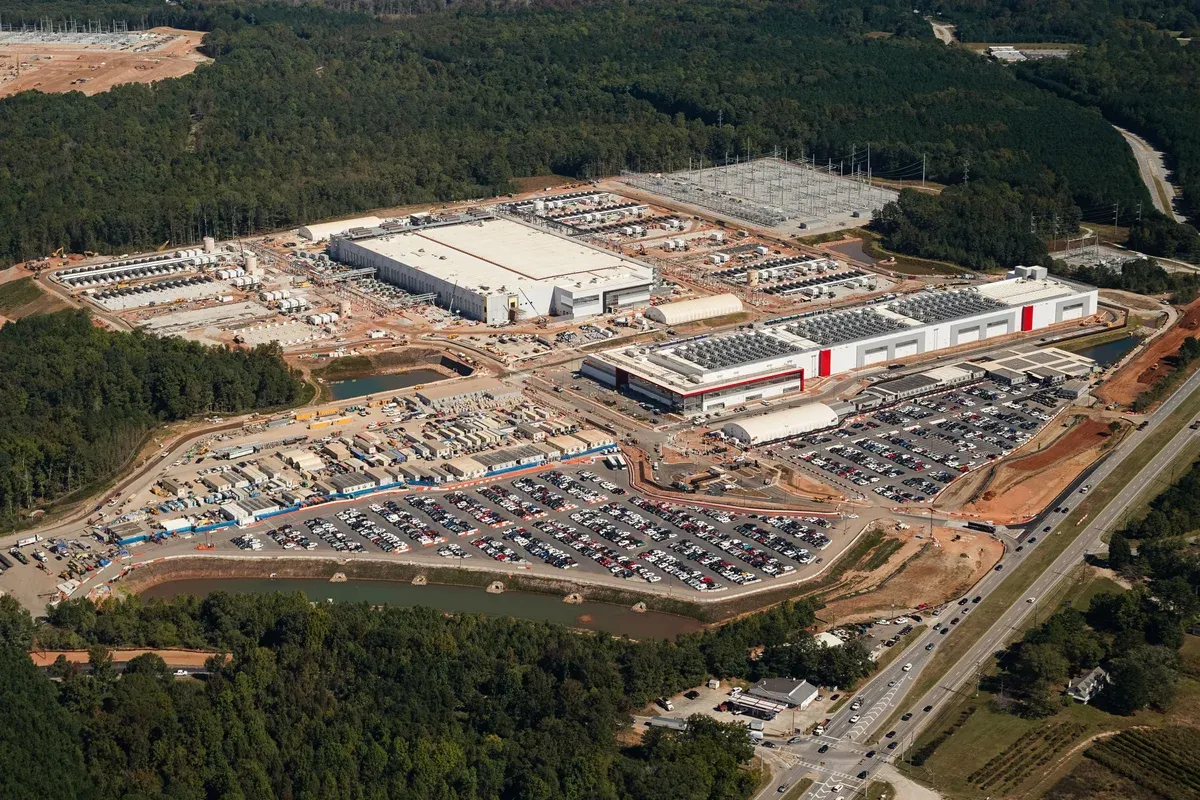
New York State imposed the nation's first statewide moratorium on new hyperscale data center facilities. The policy gives officials up to one year to figure out how to measure those facilities' environmental effects amid the AI construction surge.
New York State just imposed the nation's first statewide moratorium on new hyperscale data centers. The reason is refreshingly blunt: officials want up to one year to work out how to measure the environmental effects of these facilities, right as the AI building boom is pushing demand for large-scale data center capacity.
That matters because “hyperscale” is not a normal office build. These are big, power-hungry, long-lived infrastructure projects that can reshape local energy systems, strain permitting and monitoring, and create lasting environmental questions. By pausing new hyperscale approvals statewide, New York is effectively telling the market, “We are not debating whether the issues matter. We are debating how to measure them well enough to make decisions that hold up.” And for anyone running infrastructure, capital projects, or real estate strategy, a one-year window is both a breather and a warning.
To understand why a measurement-first moratorium is a big deal, zoom out to how hyperscale data centers typically get planned. These projects tend to be driven by pipeline timing: build quickly to meet compute demand, lock in power and network connectivity, and stay ahead of competitors racing to serve cloud and AI workloads. When regulation changes, the timing problem hits the hardest. A statewide moratorium does not just slow permitting. It can disrupt project financing schedules, equipment lead times, construction milestones, and contracted power arrangements. Even if the eventual “rules of the road” are reasonable, the pause forces boards and executives to re-evaluate assumptions on cost, schedule risk, and future compliance.
Scientifically and politically, the “how to measure” piece is where the pressure lives. The moratorium gives officials time to define environmental effects in a way they can actually evaluate consistently across applications. That is not an academic exercise. Data centers interact with multiple environmental vectors at once: energy demand, water usage, emissions associated with electricity generation, and local impacts tied to construction and operations. If regulators cannot measure these effects clearly, approvals risk becoming inconsistent or contested. If they measure too narrowly or too slowly, they risk underestimating harms. New York's approach signals that the state prefers a deliberate measurement framework over rushing into approvals without one.
The AI boom is the accelerant here. The source frames the moratorium as unfolding “amid the AI building boom,” which is the key phrase for executives. In practice, AI-driven demand is compressing timelines and increasing the number of stakeholders chasing the same scarce resources: grid capacity, cooling infrastructure, skilled labor, and suitable sites. When that happens, regulatory and environmental scrutiny gets louder, not quieter, because the scale of construction changes the stakes for communities and policymakers. A statewide pause is a way to prevent a backlog of high-impact projects from outrunning the state's ability to evaluate their full externalities.
For decision-makers at hyperscale developers, utilities, large landlords, and infrastructure funds, the strategic takeaway is not just “wait.” It is “stress test.” If New York is willing to impose a moratorium to build measurement capacity, other jurisdictions can do similar things, especially where the data center footprint and energy constraints are already politically sensitive. Boards should treat this as a signal about how environmental governance may evolve: measurement, documentation, and defensible evaluation criteria will likely become central to approvals, financing covenants, and long-term asset risk.
And for executives inside the broader AI supply chain, the ripple effect shows up as supply constraints. If hyperscale builds slow in one of the most prominent markets, overall capacity growth can become uneven. That can shift project geography, alter procurement timelines for compute infrastructure, and increase competitive pressure in regions that can approve faster. Even if the moratorium ends after up to one year, the real operational question is what comes after it: how measurement will be standardized, how it will influence permitting outcomes, and how quickly developers can adjust.
The simple version is this: New York has put a statewide brake on new hyperscale facilities, and it is using the brake time to build the measurement machinery needed to regulate environmental impacts. Up to one year may sound like a temporary pause, but in infrastructure, timelines are everything. The executives who plan for “rules that are still being built” will be the ones who avoid the costliest form of delay: the kind that turns a construction schedule into a capital-allocated regret.
This story's Key Insights and Take-aways are locked.
Create a free account to unlock Executive Actions for one credit.
Register to UnlockAlways free for Executives Club members. Join the Club
More in Technology

Google quietly links your phone number to every Android account on your SIM
Adding a SIM now ties your phone number to all Google accounts - and future accounts inherit it. Here's the security and privacy stakes.

Hijacker AI 'Skynet mode' runs 100,000 attack steps against exposed models
Symantec caught a criminal AI agent that borrows other models, steals data, and mines crypto; the only relief is no confirmed victims yet.

Nvidia's AI-financier shift faces its first big test as neoclouds stumble
A rout in neocloud stocks is forcing investors to weigh Nvidia's hidden exposure as both supplier and lender to the AI buildout.