

Newsom signs $10M credit to keep post-production in California, even for out-of-state shoots
Governor Gavin Newsom's new tax laws extend credits to editors and composers, and create a $10 million fund for projects filmed elsewhere - a bid to keep Hollywood's post-production jobs in-state.
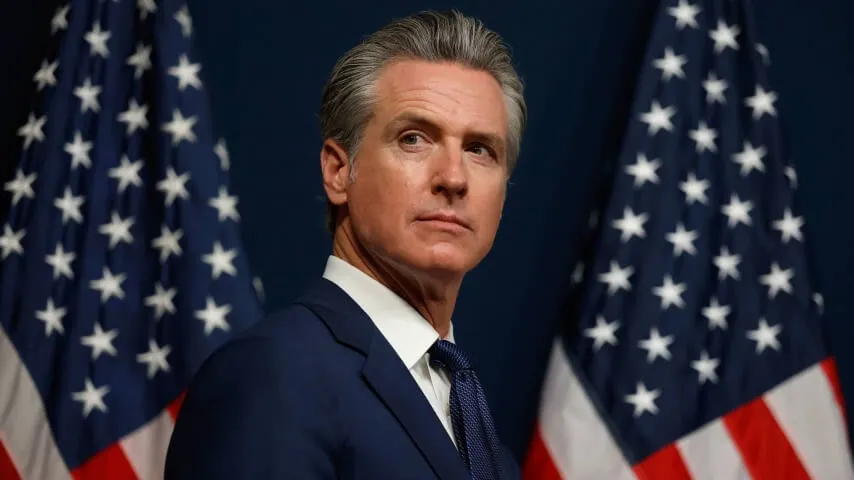
California Governor Gavin Newsom signed new tax credit laws extending benefits to post-production work like editing and scoring, including a $10 million credit for films shot outside the state. The move is a defensive play to retain Hollywood's post-production jobs amid growing competition from other states.
Governor Gavin Newsom signed two new tax credit laws that extend California's film incentives to post-production work - including editing, scoring, and other behind-the-scenes tasks - and create a $10 million credit specifically for projects that filmed outside California but completed post-production in the state. That $10 million is the headline: it rewards studios for bringing editing, scoring, and other post-production work to California even if principal photography happened in another state or country. This is a significant departure from traditional incentives, which typically require a production to shoot in-state to qualify, and it directly targets the $420 million annual expansion Newsom signed last year to keep the state's iconic industry competitive.
The new laws also address a bureaucratic hurdle: California's state legislature had imposed overall caps on tax credits earlier this year, limiting how many productions could benefit. The legislation extends protections from those caps and streamlines the process for producers to monetize their credits - making them easier and faster to sell or use. Film production advocacy groups, including the Motion Pictures Editors Guild and the California Post Alliance, praised the changes, though the dense tax language left even industry observers noting the complexity. The $10 million credit is modest in absolute terms - a fraction of the $420 million program - but it is strategically aimed at a segment where California still holds an edge: the talent pool of editors, composers, sound engineers, and visual effects artists who have historically clustered in Los Angeles and San Francisco.
This is a defensive move, pure and simple. California has been losing ground to other states and countries that offer more generous tax breaks. New York, New Jersey, Georgia, and New Mexico have already rolled out similar credits to encourage post-production work within their borders, even on projects filmed elsewhere. By making it cheaper for studios to keep that work in-state, Newsom is betting that the ecosystem of creative talent will anchor the industry's future, even as production moves to cheaper locations. The timing underscores how anxious California is about its reputation as the place where movies are made - not just the headquarters where executives greenlight them.
None of this, of course, resolves the larger fight Newsom is in with Paramount, which has threatened to leave the state if it doesn't get approval for its massive merger with Skydance. That is a corporate governance and antitrust issue, not a tax incentive issue. But the flurry of signings signals that California is serious about competing for every stage of the entertainment value chain, not just principal photography. The state wants to be the production hub, not just the boardroom.
For executives in film and media, the new credits represent a concrete financial opportunity: if you're planning a production that will shoot in Georgia or New Mexico, you can still bring the editing and scoring back to California and claim up to $10 million in credits. The application process and eligibility details will be defined by the California Film Commission, so early movers who engage with the commission can position themselves to take advantage. More broadly, this is a signal that incentive wars are intensifying across the country, and states are now targeting specific segments of production.
For studio CFOs and production heads, the calculus of where to shoot and where to post-produce is becoming more complex - but also more favorable to those who can navigate multiple state and local incentive programs. California's new credit is a tool, but it's also a reminder that location decisions are increasingly driven by tax policy as much as by creative logistics. The $10 million may be small, but it opens a gap for nimble producers to capture value - and for rivals like New York and Georgia to respond in kind.
This story's Key Insights and Take-aways are locked.
Create a free account to unlock Executive Actions for one credit.
Register to UnlockAlways free for Executives Club members. Join the Club
More in Business

Royal Caribbean just spent $3B to own half of Sandals
The cruise giant is buying a 50% stake in the all-inclusive resort chain for $3 billion, a bet that land-based vacations are the next growth engine.

Paramount's Ellison: Merger Clearance Done, WBD Deal by Oct 1
David Ellison says the Paramount-WBD merger has full clearance after settling with state AGs, clearing the path for an October 1 close.
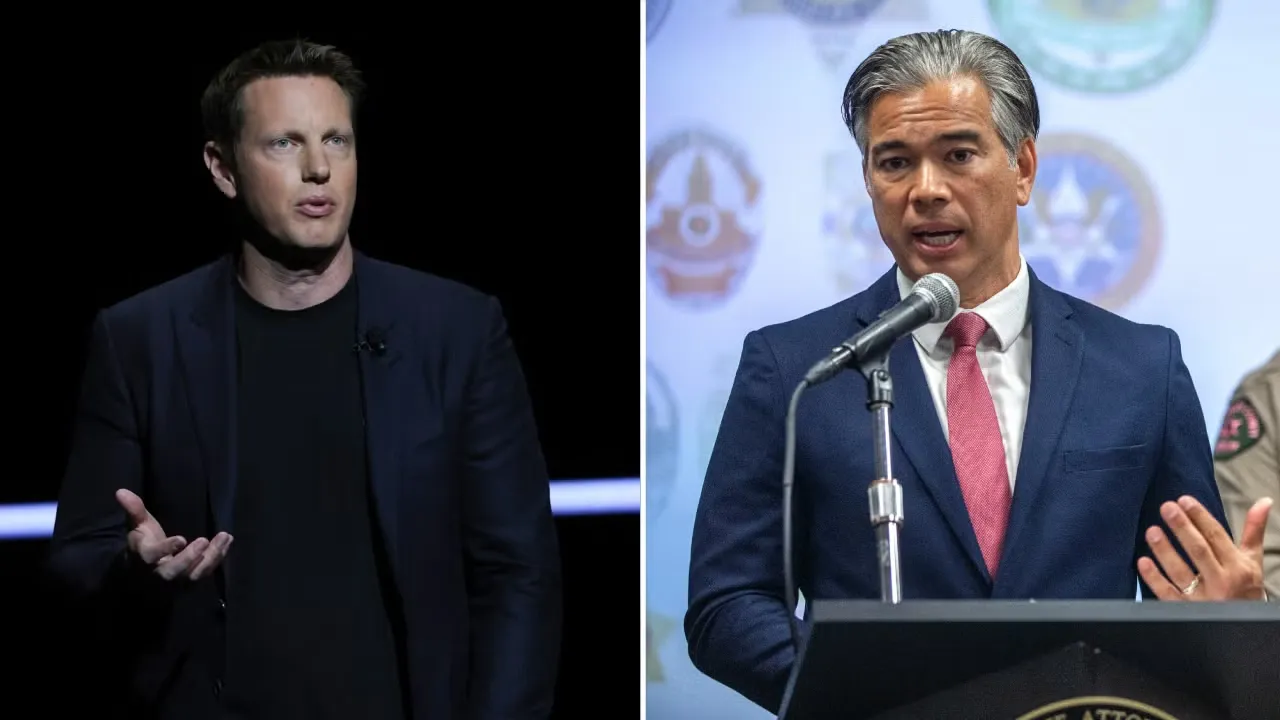
Paramount settles with 12 states, $110B Warner merger clears final hurdle
David Ellison's studio avoids a March trial and a $7M-a-day ticking fee by settling with state AGs over local job losses.