
Noam Shazeer leaves Google for OpenAI, escalating the AI talent scramble
The Gemini co-lead and Character.AI founder is crossing teams as Google and rivals race to lock up top LLM minds.
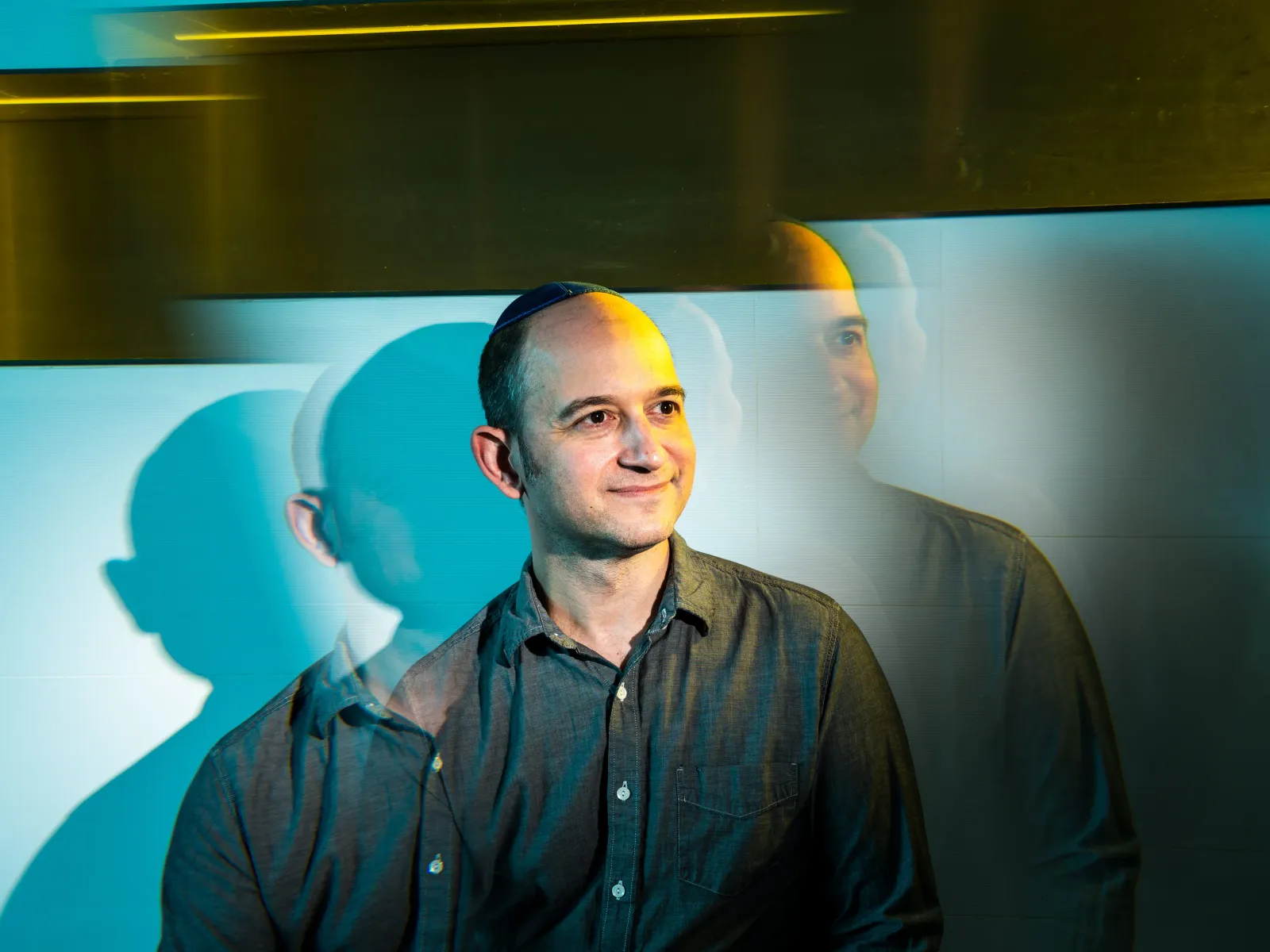
Noam Shazeer, a Google veteran, Gemini co-lead, and founder of Character.AI, is leaving Google to join OpenAI, announcing it in an X post on Wednesday. His move intensifies the AI industry’s competition for elite research talent and highlights the high-stakes deals firms use to keep (or buy back) founders.
Noam Shazeer is leaving Google to join OpenAI, according to an announcement he made in an X post on Wednesday. Shazeer is a Google veteran, a co-lead at Gemini, and the founder of chatbot startup Character.AI. In his post, he said he looks forward to working with the “exceptional team” at OpenAI, and he described the decision as difficult while praising Google’s team and what they built together.
That headline matters because Shazeer is not just another senior hire. He was a key part of Google’s early LLM development efforts, and a 2017 paper he coauthored is largely seen as the kickstarter to today’s large language models. When someone with that kind of foundation swings from one major lab to another, it can shift competitive edges in model development, product capabilities, and internal talent planning. In other words: this is not a routine career move. It is the AI talent war changing lanes.
To understand why this move carries extra weight, you have to look at his Google relationship and the Character.AI twist. Shazeer joined Google in 2000 and stayed for years, aside from a three-year period when he left to cofound Character.AI. In 2024, Google rehired the founders and paid for non-exclusive rights to use the startup’s technology, with Character.AI remaining a separate legal entity. The reporting adds another layer: in 2024, AI $2.7 billion for a special deal that gave Google access to the startup’s technology, and that an agreement required Shazeer to work for Google again.
So the question decision-makers should ask is not only “why did Shazeer leave?” but also “what does it say about how the market values LLM talent today?” When $2.7 billion can land in a deal tied to access to technology and labor, it signals that big labs treat these people and their know-how as strategic assets. They are not merely hiring for day-to-day execution. They are trying to secure the future direction of systems that power everything from search experiences to chatbot products.
The AI labor market context is getting louder, not quieter. The source frames Shazeer’s move as the latest in a series of top-talent reshuffles at AI heavyweights. Labs including OpenAI, Google, Meta, and Anthropic are offering enormous pay packages to recruit elite researchers and engineers. They are also devising complex acqui-hire deals to incentivize departures, effectively blending incentives, talent acquisition, and technology access into one package.
From a board and finance perspective, this is an ugly but familiar dynamic: when the best minds are scarce, compensation and deal complexity rise together. The “talent scramble” becomes a recurring line item, and it can also create friction inside companies as leaders restructure teams to match new hires, retain internal staff, and protect proprietary work. Even when deals are legal and carefully negotiated, the organizational ripple effect can show up as churn, reprioritization, or internal reallocation of compute and research budgets.
There is also a reputational and strategic messaging angle. Shazeer’s note to Google emphasized pride in the team and what was built together, and he thanked people with the tone of someone leaving relationships, not just a job title. That matters because in this industry, the talent you attract is partially a function of how the industry perceives your culture and trajectory. At the same time, Shazeer’s stated anticipation of OpenAI’s “exceptional team” signals that OpenAI is positioning itself to attract researchers who have deep roots in the evolution of large language models, not just fresh experimenters.
For OpenAI, adding someone with Shazeer’s background is the kind of move that can strengthen product and research credibility at a moment when the company is described in the source as “IPO-bound.” That detail matters because companies moving toward public-market scrutiny need to show both progress and momentum. Getting the right talent can also help justify the investment story to shareholders and investors, and it may influence how quickly leaders can translate research into scalable systems.
For Google, the stakes are equally clear. Shazeer helped drive early LLM efforts, and he has been closely associated with Gemini as a co-lead. His departure means Google is not just losing a person, it is losing a high-influence node in a network that connects research history, practical model work, and product strategy. Even with the earlier Character.AI arrangement in place, the current move suggests that retention is still not guaranteed, especially in a market where multiple labs are willing to pay for the same scarce capabilities.
Zoom out and the second-order implication is simple: if a founder and Gemini co-lead can shift from Google to OpenAI after prior rehiring and major technology-access deals, every similar executive role at major labs becomes part of the talent calculus. Teams will evaluate not only compensation, but also the strategic “where will this person build the next breakthrough?” question. In a landscape where companies are already juggling massive packages and acquisitions of talent-adjacent technology rights, Shazeer’s switch is a reminder that the center of gravity in AI can move quickly.
This story's Key Insights and Take-aways are locked.
Create a free account to unlock Executive Actions for one credit.
Register to UnlockAlways free for Executives Club members. Join the Club
More in Business

SpaceX stock jumps 3% after it overtakes Amazon’s market cap
CNBC says SpaceX’s shares surge following its IPO Friday, forcing investors to reprice what “space” and “AI” are worth.

SpaceX’s first options day breaks U.S. records after a $85B IPO win
Big IPO, bigger options debut: what it means for investors, risk teams, and anyone benchmarking market appetite.

SpaceX buys Cursor for all-stock $60B, signaling Elon Musk’s next AI move
SpaceX exercised its option for Cursor in an all-stock deal worth $60 billion, reshaping AI dealmaking expectations.