
NORAD scrambled intercepts for 3 of 10+ general aviation planes over New Jersey, Sunday
A NORAD statement says more than 10 GA aircraft entered restricted airspace, with three requiring intercepts over Bedminster.
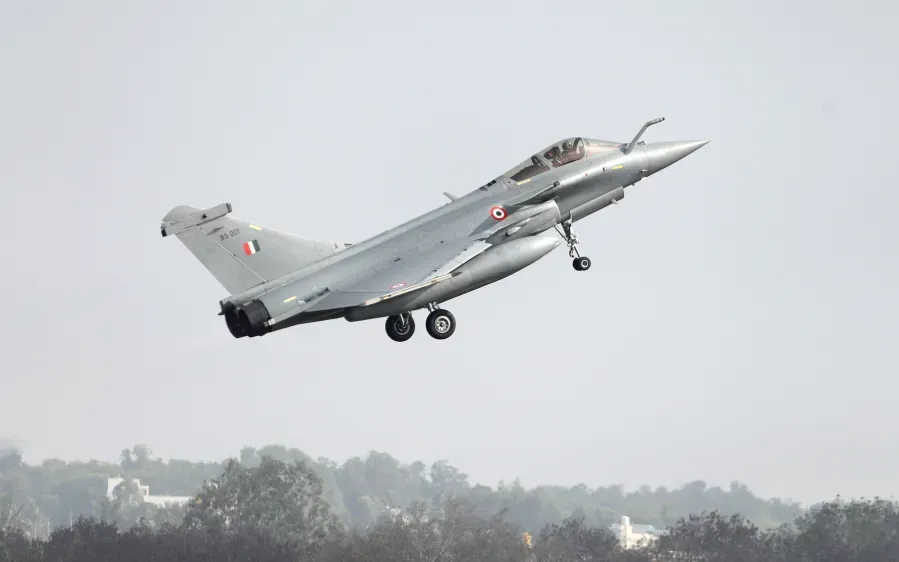
NORAD said more than 10 general aviation aircraft entered temporarily restricted airspace Sunday over Bedminster and East Rutherford, New Jersey, and that three required intercepts by NORAD aircraft. The consequence for decision-makers is a sharp reminder that airspace restrictions can trigger immediate defense-level responses with real operational and compliance stakes.
On Sunday, NORAD said more than 10 general aviation aircraft entered restricted airspace over Bedminster and East Rutherford, New Jersey, and that three of those aircraft required intercepts by NORAD aircraft. That means the episode was not a quiet near-miss. It was a coordinated response to aircraft attempting to fly in a temporary no-go zone, and it unfolded with enough urgency that NORAD deployed intercept assets.
NORAD’s statement was blunt about the triggering threshold. “More than 10 general aviation aircraft have entered restricted airspace today, three of which required intercepts by NORAD aircraft,” NORAD wrote. The locations matter too, because Bedminster and East Rutherford sit in a densely trafficked region where general aviation aircraft share the sky with many other aviation flows. When restricted airspace is in effect, the margin for error gets thin fast, and systems designed for sovereignty enforcement show up in the operational story.
To understand why this is a big deal beyond the headlines, it helps to translate “restricted airspace” into what pilots and operators actually experience. Temporary restrictions are typically put in place to protect safety, manage air traffic, or support specific missions. That “temporary” part can be deceptive. Even short-lived zones can cover routes that pilots would normally use, and if aircraft enter without proper clearance, they create a compliance problem that can become a safety and defense problem quickly.
This is where NORAD’s involvement becomes the second-order story for executives. NORAD is not air traffic control. It is a defense organization, responsible for aerospace warning and control across North America. When NORAD is scrambling intercepts, the issue has escalated from “routing mistake” into “airspace violation requiring immediate escalation,” at least in how defense systems and protocols interpret the situation. In other words, the operational chain is shorter than many outside aviation assume. The sky is not just managed by controllers. It is also monitored through defense-linked frameworks when restrictions are violated.
The statement also referenced flares being deployed, signaling a further layer of operational signaling during the intercept process. While the excerpt we have cuts off after “NORAD said flares were d,” the inclusion of flares in the NORAD narrative indicates the response was not only informational. Intercepts can include visual signaling intended to draw attention, communicate that an aircraft needs to change course, and confirm that the intercept contact is recognized. For a corporate audience, the takeaway is simple: when systems move into defense response modes, communications and compliance become high-stakes under time pressure.
For businesses and boards with aviation-related portfolios, the relevance is direct. Companies that operate aircraft, support flight operations, manage travel programs, or sell aviation services rely on robust compliance controls. General aviation aircraft make up a large part of day-to-day flight activity, which means errors in flight planning, clearance interpretation, or temporary airspace awareness can have outsized consequences. A restricted airspace event can turn into a regulatory and operational review, and an intercept by defense assets naturally raises questions about process discipline: Did the flight plan account for the restriction? Was the crew briefed correctly? Were updates received in time? Those are the kinds of questions that can surface in internal investigations and in external scrutiny.
Even if your company is not flying, similar incentives apply. Aviation compliance is about preventing preventable escalations. Temporary restrictions are often issued quickly. That tests whether operational teams can update procedures, systems, and human behavior fast enough. In tightly scheduled environments, the difference between “we planned correctly” and “we missed a notice” can be minutes, and minutes are exactly what incidents like this reveal. When NORAD notes that “more than 10” aircraft entered restricted airspace in one day, it also hints at a broader operational reality. These events can be systemic, not isolated, reflecting how easily temporary restrictions can catch up with aircraft transiting through the region.
So what should decision-makers take from Sunday’s New Jersey scramble? First, airspace restrictions are not suggestions. They are active constraints that, when violated, can trigger immediate intercept and defense-level action. Second, compliance should be designed for speed, not just accuracy. And third, boards should treat aviation incidents as operational risk, not only reputational risk. The strategic stakes for peers in similar roles are clear: if your organization touches aviation operations, your control framework has to assume that temporary restrictions can become high-alert events in real time.
This story's Key Insights and Take-aways are locked.
Create a free account to unlock Executive Actions for one credit.
Register to UnlockAlways free for Executives Club members. Join the Club
More in Politics

LA County: DOJ's 20,000 'noncitizen' voter list is 'unreliable,' includes U.S.-born
Preliminary review by Los Angeles County election officials finds errors in the federal list, raising the stakes for voter roll integrity ahead of November.

Trump's $1.5B Pentagon chip investment lands in North Carolina
A $1.5 billion defense infusion for North Carolina chipmaking signals a new era of Pentagon-backed reshoring - here's what it means for the industry.

Nigeria confirms first Ebola case in Abuja, a woman just off a Uganda flight
Health Minister Muhammad Ali Pate says the patient flew in from Uganda, putting Africa's latest outbreak on Nigeria's doorstep.