

Northbound China Tech inflows hit 3.13T yuan by June, market value jumps
Global investors turned the mainland-Hong Kong Stock Connect bid on hard tech into a record 3.13T yuan northbound position.

SCMP reports that overseas capital has poured into China’s hard technology champions, pushing the market value of their mainland equity holdings higher by end of Q2. That surge coincided with northbound holdings under the mainland-Hong Kong Stock Connect reaching a record 3.13 trillion yuan (US$461.65 billion) by end of June.
Overseas capital has poured into China’s hard technology champions at an unprecedented pace. The result, as of the end of this year’s second quarter, is that the market value of their mainland equity holdings has reached an all-time high.
It is not an abstract “risk-on” mood swing. The engine for the rally is measurable: northbound holdings under the mainland-Hong Kong Stock Connect climbed to a record 3.13 trillion yuan, or US$461.65 billion, by the end of June, according to the report. In plain English, global investors increased their exposure specifically to China’s advanced manufacturing and technology companies, and the buying showed up in the actual northbound pile.
To understand why this matters, you have to remember what Stock Connect is designed to do. It is the bridge between mainland and Hong Kong markets, letting investors route capital across the border without the full complexity of a direct domestic account. When northbound holdings hit a record, it tells you that capital is not just dipping a toe. It is allocating, repeatedly, at scale, to Chinese listed names.
SCMP’s framing is important too: this is not described as broad-based capital seeking “China” as a theme. It is capital seeking “China’s hard technology champions,” paired with “advanced manufacturing and technology companies.” That specificity matters for corporate leaders because market valuation is not only about revenue. It is also about narrative. When global money is organized around a theme, it can compress the valuation discount that typically comes with political uncertainty, macro volatility, and perceived execution risk.
From a board and treasury perspective, the second-order effect is straightforward: when international demand intensifies for a particular bucket of public companies, it can change how capital markets price everyone in that bucket. Even if your company is not directly named as a “champion,” relative performance can shift quickly. If investors believe hard tech leaders are where the future production capacity and tech capabilities are concentrating, they will pay up, and peers often re-rate in sympathy, especially when index and ETF flows follow the same logic.
There is also a timing signal. SCMP says the market value of mainland equity holdings reached an all-time high by the end of this year’s second quarter. That suggests the inflows were not slow and diffuse. They were rapid enough to show up in the valuation line within a single quarter. For decision-makers, that is a reminder that capital markets can pivot on perception almost instantly, and then translate that perception into prices that are painful to reverse.
Regulatory and structural context sits in the background. Cross-border market access is typically affected by rules around eligibility, quotas, and trading frameworks. While SCMP’s excerpt does not spell out a specific regulatory change in the middle of the quarter, the record northbound holdings point to stable operational access and investor willingness to keep using the route. In other words, this is not portrayed as a one-off burst caused by some narrow window. It looks like sustained adoption of the China hard tech trade by global investors.
The strategic stakes are clear for executives trying to plan around financing and valuation. If global exposure is expanding, companies in advanced manufacturing and technology may find markets more receptive to equity issuance, partnerships, and talent competition that depends on perceived growth. At the same time, boards should treat this as a signal that expectations can rise alongside valuations. When capital floods into a theme, the bar for delivery tends to move too.
And for investors and other executives watching from the sidelines, the SCMP data point provides a clean, concrete “where the money went” reference. Northbound holdings under mainland-Hong Kong Stock Connect reaching 3.13 trillion yuan, or US$461.65 billion, by end of June is not just a trivia statistic. It is a proxy for how aggressively global investors are increasing their position in China’s advanced manufacturing and technology companies, and it helps explain why the market value of mainland equity holdings in this group has climbed to an all-time high by end of Q2.
This story's Key Insights and Take-aways are locked.
Create a free account to unlock Executive Actions for one credit.
Register to UnlockAlways free for Executives Club members. Join the Club
More in Business
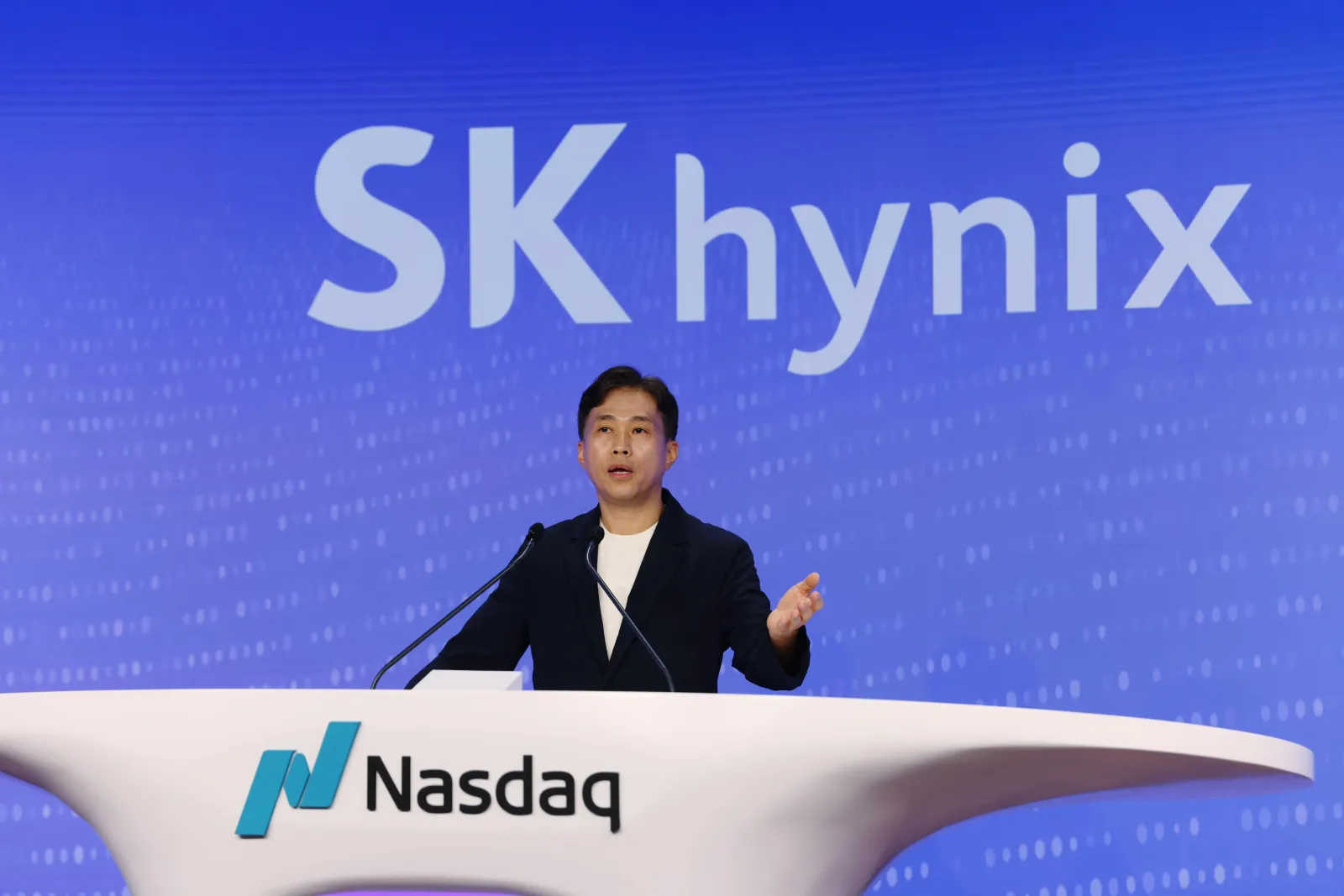
SK Hynix opens at $170, raises $26.5B, and tops foreign IPO records
In Friday's Wall Street debut, SK Hynix turns AI RAM demand into a $26.5B fundraising moment that rewrites comps.

China lands a reusable Long March booster, a first that matches SpaceX and Blue Origin
A barge landing and net-based recovery move China from theory to proof, reshaping the reusability race and satellite ambitions.

AstraZeneca $27B wipeout as Wainua late trial misses cardiovascular target
A failed late-stage heart study triggered a swift market punishment, forcing investors and boards to reset timelines and risk.