
Old Apostolic Lutheran abuse cases show victims repeating abuse across generations
ProPublica and the Minnesota Star Tribune investigate a church culture where “forgive and forget” allegedly blocked reporting.
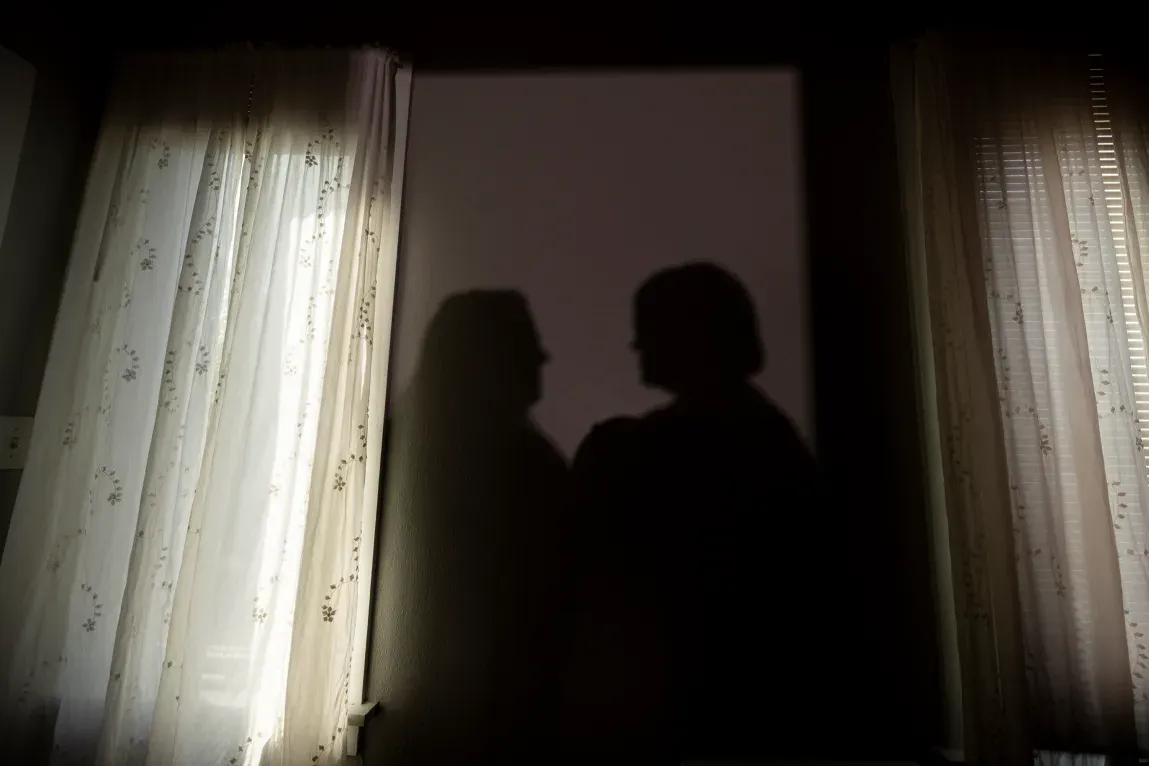
Two women, Lynn and Katherine, say they were sexually abused by brothers inside the Old Apostolic Lutheran Church and later repeated abuse with younger children. ProPublica and the Minnesota Star Tribune describe 20 former members and related records showing minimized reporting across North America and multiple generations.
Growing up in the Old Apostolic Lutheran Church, Lynn and Katherine say the danger was not some outsider in the woods. It was family. Lynn told ProPublica her abuse began when she was still in diapers, carried out by a brother; Katherine said hers began when she was about 2, by a different brother. As adults now, both women worry they helped perpetuate what happened to them, because they say they later abused younger children in the same family pattern.
Their stories are not isolated in ProPublica's investigation with the Minnesota Star Tribune. Reporters say they investigated child sexual abuse in the Old Apostolic Lutheran Church over the past year, interviewed 20 former members who described abuse, and examined police and court records. The accounts, collectively, described a culture of normalized child sexual abuse spanning North America and multiple generations. In many interviews, reporters say victims were encouraged to “forgive,” while church leaders who were told allegedly failed to report it to authorities.
For executives, board members, and anyone who manages risk in institutions, that “normalized” part is the whole problem. When misconduct is treated as a spiritual issue rather than a legal and protective one, the incentives stop aligning. The source describes a religious doctrine that some current and former members say allowed behavior to continue unchecked. In plain English, it can create a system where alleged harm is met with silence, minimized, forgiven quickly, and swept away, instead of being handled with reporting, accountability, and survivor protection.
Lynn and Katherine said the silence started early. ProPublica reports that Lynn’s parents did nothing after her sisters told their mother; the abuse continued until Lynn’s brother was 16 and she was 10. Years later, Lynn’s sisters believed the brother’s behavior was shaped by being sexually abused themselves, though they said it was by a neighbor. Katherine, the family’s second-youngest child, said she was abused by her brother, whom she said had been abused by an older cousin.
Then came the pattern the investigation emphasizes: some victims repeat abuse. Lynn told ProPublica that when she was 10, she took her younger brother behind a shed and pulled his pants down. She cannot recall what happened next, but she remembers him running away. Katherine said she was 5 when she abused a nephew who was 3 or 4. They left the church 20 years ago, and ProPublica reports they sought therapy to address trauma. Katherine and Lynn also chose to raise their children outside the faith, hoping to break with the community that shaped their family for generations.
The source does not frame this as a neat, individual failure. It links the repetition to a broader environment and to how people are taught to interpret their own feelings. In interviews, ProPublica reports a common theme across the country: women described being touched inappropriately by an older relative or acquaintance and later repeating sexual conduct with peers. Experts in child protection quoted in the piece warn that when communities look away, brush off harm, and forgive quickly without genuine repentance, it can contribute to “sexual behavior problems,” including kids sexually assaulting others. Victor Vieth, a former prosecutor who now trains child-abuse investigators nationwide, is quoted saying that culture plus inaction can contribute to children sexually assaulting others.
This is also where corporate analogies break less than you might expect. When a system repeatedly fails to surface and escalate risk, the “second-order” effects show up downstream, in predictable ways. ProPublica says the investigation found both cases where victims grew into adults who committed abuse and cases where children were preyed upon by people in their orbit. One example is Clint Massie, who pleaded guilty to four counts of sexual conduct with victims under 13 in Duluth, Minnesota, in 2024 and is serving nearly eight years in prison. The police investigation into Massie, according to the source, offered a glimpse of his upbringing in an OALC family in western South Dakota, where he told investigators in a videotaped interview that by his teenage years he had already been touched sexually by relatives. He described it as a routine part of childhood, and investigators asked if those experiences had an imprint on his brain; Massie said, “I imagine it probably did, yeah.”
In another case, the source reports that a church member went to police in January 2023 and confessed that he had inappropriately touched his daughter and fondled his young son in his bed, forcing them to perform sexual acts on him. The man told police he sought out the investigators because “he does not want it to happen anymore,” according to documents in his criminal case. ProPublica says he pleaded guilty to sexual assault charges, and at sentencing the judge noted that the man and his siblings had also been victims of sexual abuse as children. The judge said it was “almost incomprehensible” that no adult knew what they were going through, adding that “faith didn’t help stop that.” The judge also warned that if he had not turned himself in, “The kids would have just kept a secret, until it caused problems for them in their lives as adults.”
Lynn and Katherine’s lives show another second-order effect: not just harm, but the cost of later silence. Even after leaving the church, Lynn told ProPublica she struggled with unresolved anger. She described being taught that anger was a sin, and that when it surfaced she felt like she was sinning and “the devil.” And Lynn said she did not talk to her brother about what she did years later, worried that doing so could traumatize him. She said, “If he does remember, I really do want to take responsibility,” and that if she had to go to jail she would. Her point is blunt: what they were all doing “is not working.”
For decision-makers, this story should land as a governance warning. Institutions are judged not only by whether abuse occurs, but by how the system responds when harm is known or suspected. ProPublica and the Minnesota Star Tribune describe church leadership failures to report alleged abuse to authorities and a doctrine that some members say enabled continued misconduct. The strategic stakes are clear for any leadership team that touches children, members, or vulnerable people: if you incentivize silence, you do not just protect abusers. You risk producing the next generation of harm.
This story's Key Insights and Take-aways are locked.
Create a free account to unlock Executive Actions for one credit.
Register to UnlockAlways free for Executives Club members. Join the Club
More in Politics

Obama Defends Ilhan Omar After Agents Search Her Home in Trump Inquiry
The former president's intervention raises the stakes in a federal probe into immigration paperwork that has put a prominent progressive lawmaker in the crosshairs.

Blair-era minister: cut welfare to fund youth job support
Alan Milburn's call for welfare cuts to fund employment support opens a Labour fight over benefits and the Neet crisis.

Hot September CPI: energy costs surge, voters feel the squeeze before midterms
The latest inflation print lands as Trump campaigns for GOP control of Congress, putting cost-of-living worries at the center of the midterm fight.