
OLED TVs may still be “best,” but cheaper displays win specific rooms in 2026
OLED’s premium picture stays real, yet Engadget’s take: “lesser” tech can outperform where it matters most.
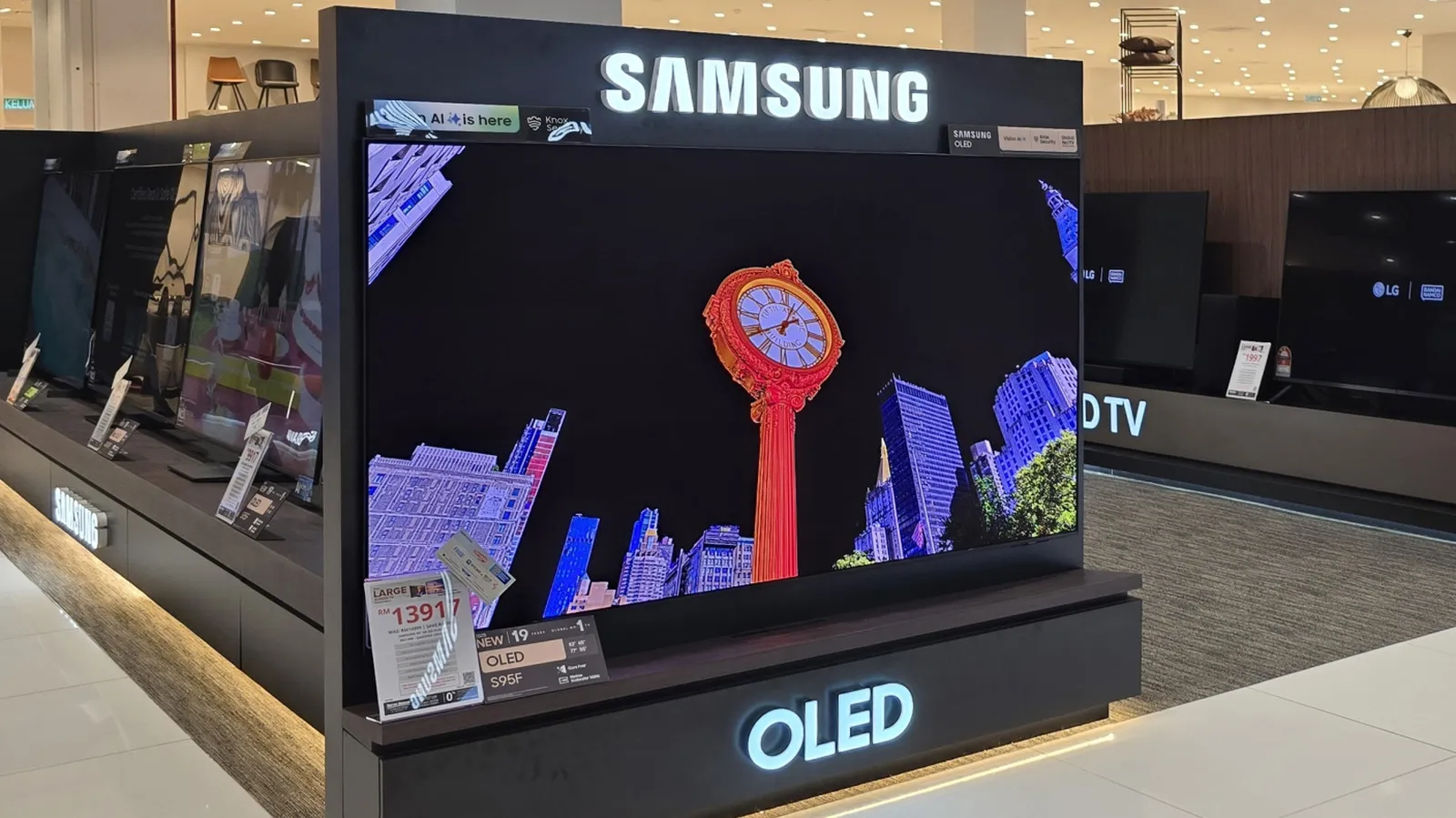
Engadget argues OLED displays remain top-tier in many ways, but there are scenarios where cheaper display technologies shine instead. For decision-makers, the implication is clear: the “premium always wins” mindset can misprice consumer value by room and use case.
OLED TVs are still the best of the best in many ways, but in 2026 the smarter question is not “Are OLED TVs good?” It is “In which specific scenarios does paying the OLED premium actually buy you something, and when does it just buy you a higher ticket price for the same viewing experience?” That is the core of Engadget’s argument: OLED is excellent, yet “lesser” display technology can outperform in certain contexts.
Here is the practical payoff. OLED’s strengths tend to show up when you care most about top-end image quality attributes that OLED panels are known for, especially in controlled or dark viewing environments where contrast and black levels can feel dramatically different. But Engadget’s framing also points in the other direction: there are scenarios where you may not be getting the marginal benefit you think you are. In those cases, paying the premium for OLED can be like buying a Ferrari for a daily commute with potholes and stoplights. The car is undeniably impressive. The commute does not care.
Why does this matter to executives and board-level teams, even though we are talking about consumer TVs? Because display markets do not just reward technology. They reward match-making between product attributes and real-world usage. A panel technology can be objectively “better” in lab conditions but still lose in aggregate if the typical customer experience does not leverage those differences. That means pricing strategy, merchandising, and channel messaging have to reflect segmentation, not just specs.
There is also a deeper incentive problem. When OLED is framed as the “best,” it becomes the default recommendation, and teams can end up optimizing for reputation rather than value. If a retailer or a marketing org leans too hard into “OLED is best,” they can accidentally push customers into paying for benefits they will never notice. That is not just bad customer experience. It can reduce conversion, increase returns, and create post-purchase disappointment, especially when households use TVs in bright rooms, during daytime viewing, or with content that does not stress the same performance attributes.
Even without naming any specific regulation in Engadget’s source, it is worth connecting the dots to how consumer electronics oversight and standards shape buyer behavior. Over the years, the industry has had to respond to energy labeling expectations, safety requirements, and broader consumer transparency norms. Those forces tend to reward features customers can understand quickly and consistently. The second-order effect is that “best-in-class” claims for premium technologies have to be legible at the point of purchase. If buyers cannot easily connect the OLED premium to their actual viewing patterns, the technology becomes harder to justify, regardless of its merits.
Then there is the category-level competition. When OLED is the top performer, every competitor has to find its lane. Sometimes that lane is cost. Sometimes it is brightness and room readability. Sometimes it is peak performance for certain content types. Engadget’s point that “lesser” technology can shine in specific scenarios is basically a reminder that product strategy is about selection pressure. If the market only rewards absolute performance, everyone chases the top. If the market rewards fit-for-purpose, multiple technologies survive, and “good enough” wins more often than people assume.
For boards, this should prompt a familiar kind of debate: are we betting too heavily on universal dominance claims when the market actually behaves like a patchwork? For product leaders, the translation is direct: channel training, demo content, and shopping guides should not treat every buyer like they watch in a perfect dark theater. They should help customers self-select based on room brightness, viewing distance, typical content, and usage pattern. If OLED is truly worth the premium in many situations, it should be easy to explain why those situations exist. If it is not, teams need to be honest about the trade-offs.
The strategic stakes for peers are simple. If you sell display tech, you can win by being best, but you can also win by being best for the customer you actually have. Engadget’s take suggests the path to sustainable demand in 2026 is not blind allegiance to “top-tier everything.” It is matching premium capability to the moments where that capability becomes noticeable, and accepting that there will always be rooms, budgets, and viewing habits where “lesser” technologies are the better deal.
This story's Key Insights and Take-aways are locked.
Create a free account to unlock Executive Actions for one credit.
Register to UnlockAlways free for Executives Club members. Join the Club
More in Technology

Google quietly links your phone number to every Android account on your SIM
Adding a SIM now ties your phone number to all Google accounts - and future accounts inherit it. Here's the security and privacy stakes.

Hijacker AI 'Skynet mode' runs 100,000 attack steps against exposed models
Symantec caught a criminal AI agent that borrows other models, steals data, and mines crypto; the only relief is no confirmed victims yet.

Nvidia's AI-financier shift faces its first big test as neoclouds stumble
A rout in neocloud stocks is forcing investors to weigh Nvidia's hidden exposure as both supplier and lender to the AI buildout.