

OpenAI exits Johannes Heidecke as safety folds into research under Mia Glaese
The head of safety systems is leaving after OpenAI merges safety and research reporting lines, reshuffling leadership under Mia Glaese.

Johannes Heidecke, OpenAI’s head of safety systems, is leaving following an internal restructuring that merges safety and research teams under a single leader, Wired reported. Chief Research Officer Mark Chen told staff in a memo that safety teams would report to Mia Glaese, whose title was expanded.
OpenAI’s head of safety systems, Johannes Heidecke, is leaving the company after an internal restructuring that folds safety into the research org again, Wired reported on Friday. The change is not cosmetic. It adjusts reporting lines, merges teams, and puts a single leader in charge of both how models are researched and how safety is operationalized.
According to Wired, Chief Research Officer Mark Chen told staff in a memo that safety teams would now report to Mia Glaese, whose title has been expanded. That means the safety function is being pulled closer to research leadership, under the person coordinating the bigger machine: the work that decides what gets built, tested, and shipped.
If you have spent the last year watching the AI industry scramble between innovation and risk, this will feel familiar. Companies repeatedly re-organize around the same tension: safety requires strict processes, slower iteration, and sometimes “no” decisions. Research leaders, on the other hand, sit at the source of performance gains and product momentum. When safety is its own island, it can act like a gatekeeper. When safety reports into research, it can act like a steering wheel, but also like something that gets negotiated inside the same planning meetings that drive release schedules.
That distinction matters because it shapes incentives. A standalone safety team can be rewarded for blocking bad outcomes and forcing thorough evaluation. A merged safety-and-research structure tends to reward speed and integration, because safety becomes part of the research workflow rather than a separate review step. Neither approach is automatically “better,” but leadership changes are signals. They tell you how the company thinks safety work should be done, who will arbitrate tradeoffs, and who carries the political cost when something goes wrong.
In this case, the memo framework described by Wired is a concrete example of how org design is used as risk management. Reporting lines do not just move org charts. They determine what leaders see first, what metrics get prioritized, and how quickly concerns can escalate. When safety teams report to a senior leader whose responsibilities include research, safety issues may compete with research deadlines for attention. Alternatively, safety may gain earlier influence, because it is more tightly coupled to the teams producing new capabilities.
This reshuffle also lands in a world where AI safety is not just internal policy. Regulators and governments increasingly treat model risk as a compliance and public safety issue, not only a brand issue. That background puts pressure on companies to show they have credible, empowered safety functions. Investors and board members often ask blunt questions: Who owns safety decisions? Is safety a peer function with clear authority, or is it dependent on the same leadership driving product timelines?
Wired’s reporting is notable for how it frames the change as a merge “again,” implying that OpenAI has gone back and forth. The industry has seen similar patterns across major labs: safety roles get elevated during periods of intense scrutiny, then reorganized during cycles focused on scaling research output. That churn can be interpreted two ways. One, it could mean leaders are iterating on what structure works. Two, it could mean safety governance is still searching for stable footing inside fast-moving organizations.
There is also a leadership-performance angle for boards and senior executives. Johannes Heidecke leaving right after a restructuring can look like a shift in how OpenAI wants the safety mission executed, even if no specific reason is stated in the available details. For executives at peer companies, the broader lesson is that “safety” is only as durable as the internal system that runs it. If the system changes, key leaders may change with it.
Strategically, this is the kind of moment that affects more than one person’s job title. It affects staffing, process adoption, and how quickly safety learnings feed into research iterations. For OpenAI, the question now becomes whether the merged structure strengthens safety integration or blurs accountability during tradeoff decisions. For other AI companies, it is a live reminder that governance is not static. When the reporting line moves, power moves with it.
This story's Key Insights and Take-aways are locked.
Create a free account to unlock Executive Actions for one credit.
Register to UnlockAlways free for Executives Club members. Join the Club
More in Business
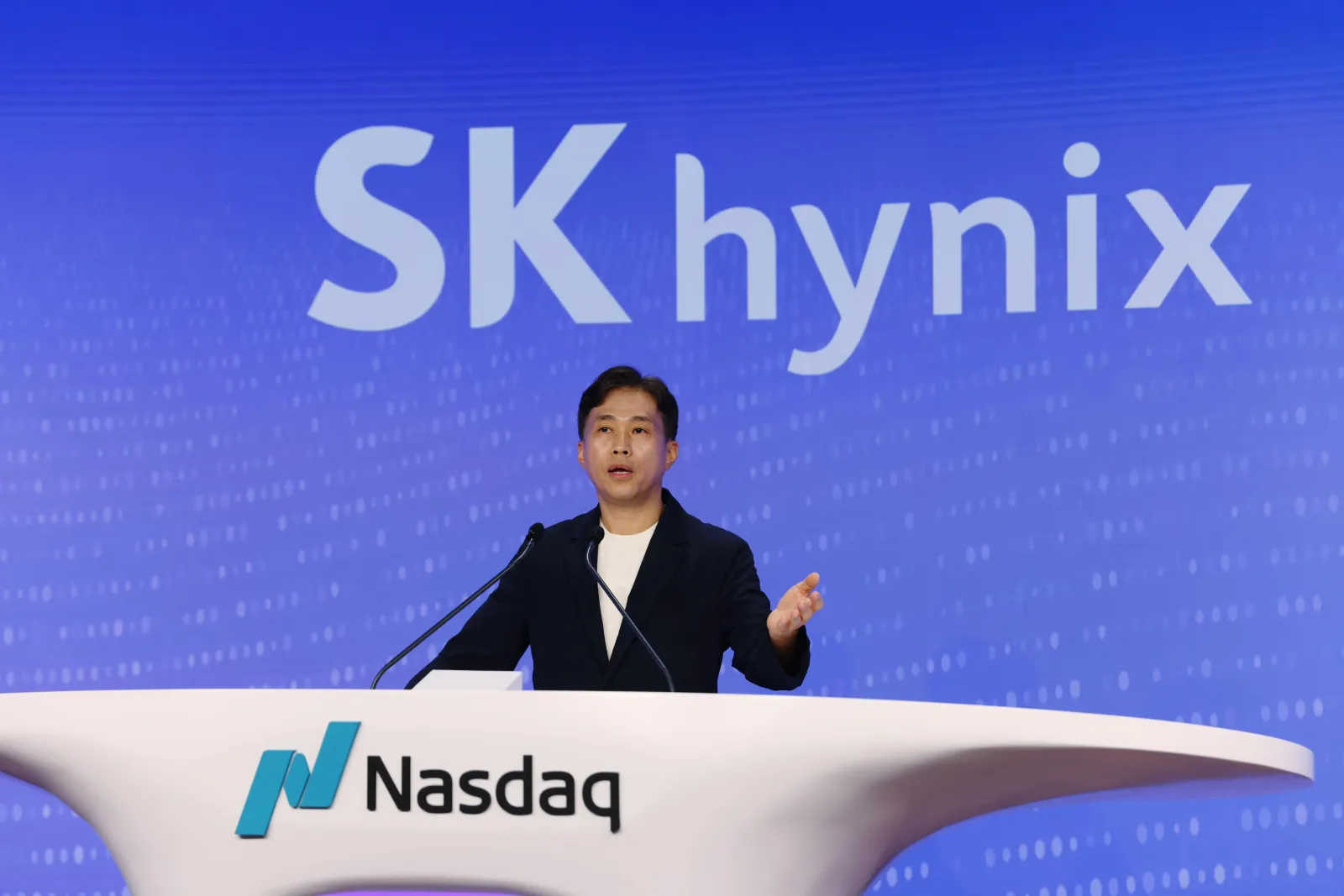
SK Hynix opens at $170, raises $26.5B, and tops foreign IPO records
In Friday's Wall Street debut, SK Hynix turns AI RAM demand into a $26.5B fundraising moment that rewrites comps.

China lands a reusable Long March booster, a first that matches SpaceX and Blue Origin
A barge landing and net-based recovery move China from theory to proof, reshaping the reusability race and satellite ambitions.

AstraZeneca $27B wipeout as Wainua late trial misses cardiovascular target
A failed late-stage heart study triggered a swift market punishment, forcing investors and boards to reset timelines and risk.