
OpenAI shows $34B costs and $20.92B operating losses in 2025
If the numbers hold, the runway for an OpenAI IPO story gets harder to sell to retail investors.
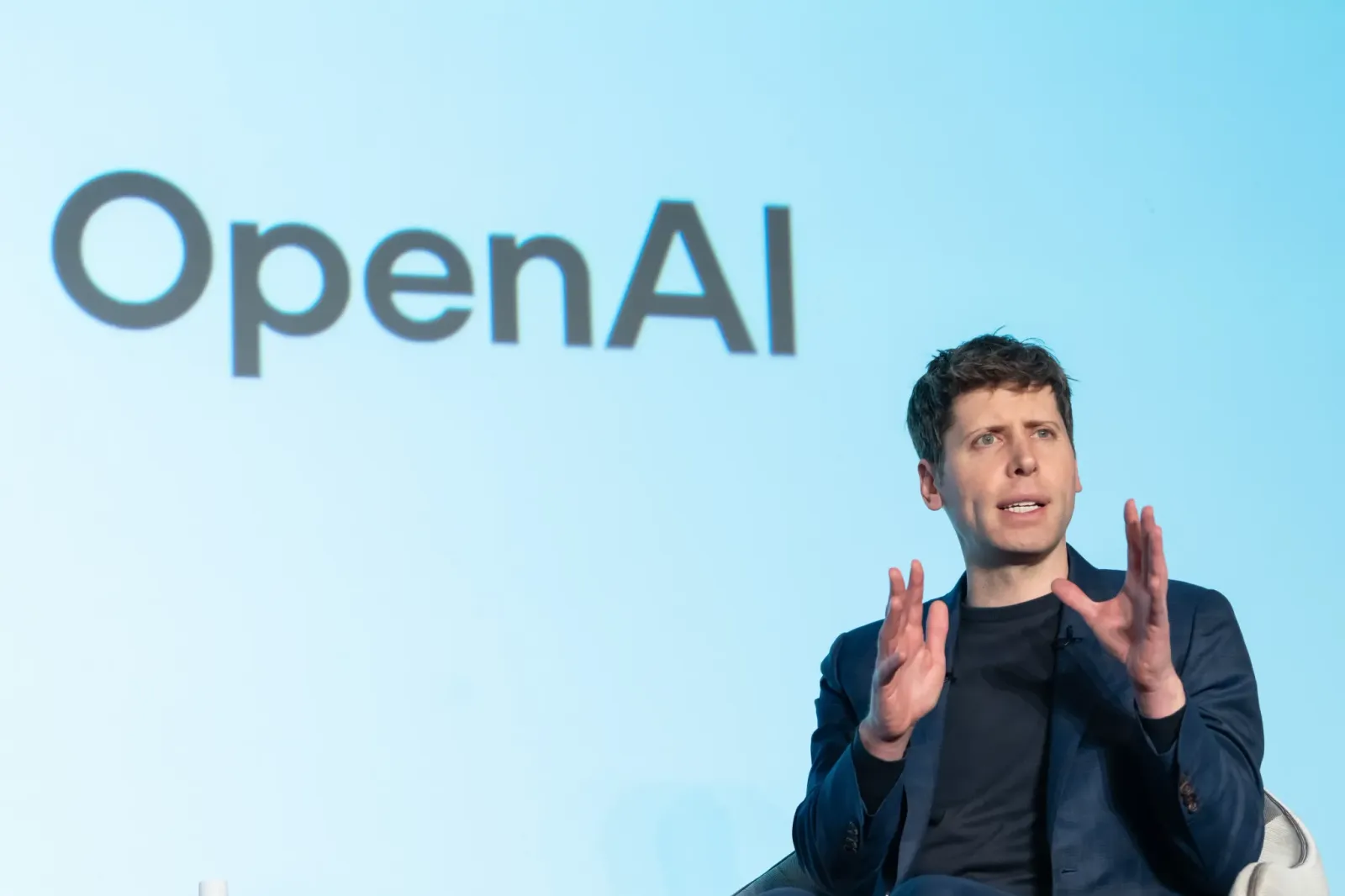
Fortune reports that leaked 2025 financials attributed to OpenAI show revenue rising to $13.07 billion, but costs and operating losses ballooning to $34 billion and $20.92 billion. For decision-makers, the key issue is whether this cash-fueled growth model can be translated into a credible public-market narrative.
OpenAI’s reported 2025 financials are painting a brutally clear picture of what the company is doing, and what it is not doing yet: making money look like money. Fortune notes a Financial Times report and blogger Ed Zitron’s analysis suggesting that in 2025, OpenAI generated $13.07 billion in revenue, up from $3.7 billion in 2024. Those are big numbers. But the same reporting says OpenAI’s total costs and expenses came in at $34 billion in 2025, up from $12.48 billion in 2024, and losses from operations reached $20.92 billion, up from $8.78 billion in 2024.
The headline stake is simple: those costs and losses do not merely “look bad,” they raise immediate questions about what an eventual public-market story would need to prove. Fortune frames it as mystery and consequences, in part because these are leaks and not final audited figures. It also points to timing uncertainty, saying an OpenAI IPO may be imminent and the coming months could bring the finalized financials. Still, even before you get to IPO underwriting, the gap between revenue and expense is wide enough that any investor asking, “When does this turn?” will have a hard time getting comfort from these figures alone.
Zoom out and the context gets sharper. OpenAI is in a market where scale is not just a growth strategy, it is a competitive weapon. Fortune connects the reported revenue jump to ChatGPT’s momentum, noting that this month ChatGPT hit one billion global active monthly users. That kind of adoption explains why revenue can surge quickly. But the same reporting also implies OpenAI is spending at a rate that looks out of proportion to current profitability, consistent with the idea of a “cash furnace,” funneling billions as it “chase[s] the dominance” that made OpenAI the signature company of the AI boom.
If you are trying to build an IPO pitch, this is where the job gets politically and financially delicate. Public markets do not just buy ambition. They buy a trajectory that can be underwritten with some confidence. Fortune highlights the core question: “What story exactly does the company hope to tell retail investors about the sustainability of its business?” If the math shows accelerating losses, the company has to convince investors that either costs are temporary, efficiency is coming, or revenue will compound fast enough to overwhelm the spend. The leak raises the additional worry that an IPO could be viewed as riding hype, rather than demonstrating a durable, improving economics profile.
There is also a competitor comparison lurking in the background, and it cuts both directions. Fortune contrasts OpenAI’s situation with Anthropic, citing Anthropic’s $965 billion valuation and an annualized revenue run rate around $47 billion, while noting that “losses and expenses remain distinctly unknown.” That asymmetry matters because markets often price what they can see. If Anthropic has larger run-rate revenue and fewer disclosed downside signals, it can change investor perceptions even without audited cost details. For OpenAI, that means the opacity around expenses becomes a dual problem: not only are losses big in what has leaked, but peers may be able to market themselves with more favorable visibility.
Fortune also flags a second layer of uncertainty that executives and boards care about: “what don’t we even know to ask?” Leaked financials can omit the nuance that final statements provide, such as how revenue is recognized, how expenses are classified, and what one-time items may be embedded. Fortune’s tone is cautious about the temptation to treat leaks as final truth, saying the author was “paranoid” enough to want to reserve judgment. That caution is not just emotional. For capital markets, the difference between “directionally true” and “precisely wrong” can be huge, especially when shares and reputations move on the details.
Still, Fortune’s conclusion lands on a sober interpretation: the author’s “odd ennui” suggests the leaked numbers might not reveal a brand-new plot twist. The takeaway is that OpenAI is spending wildly to win the game it created, and the big unknown is whether that will actually be a winning strategy. For executives who oversee AI budgets, this is the uncomfortable truth behind the spreadsheets: scale creates the future, but it also demands that the future arrives before capital runs out or investor sentiment breaks.
Finally, the story is not only about OpenAI. The competitive AI arms race means capital flows, talent bets, and infrastructure spending are all being stress-tested by public-market expectations. Fortune’s mention that “SpaceX (officially) is buying Cursor” for $60 billion, framed as the largest acquisition of a venture-backed startup ever, is a reminder that megadeals and fast consolidation are not waiting for perfect financial clarity. If you are a board member at a high-spend AI company, or a CFO preparing for potential public scrutiny, the OpenAI leak becomes a stress test for your own narrative: can you explain growth and losses in a way that survives the retail questions, the underwriting process, and the inevitable comparisons to peers?
This story's Key Insights and Take-aways are locked.
Create a free account to unlock Executive Actions for one credit.
Register to UnlockAlways free for Executives Club members. Join the Club
More in Business

A flaw in PHP just forced governments to pull their own sites offline
European agencies from Belgium to Germany took websites dark to patch a critical weakness in the language behind almost 70% of the web, and the blast radius extends far beyond government portals.

BioWare shuts down, Mass Effect 5 dead after $55B EA buyout
The legendary RPG studio's closure lands months after a $55 billion investment group buyout of EA, raising tough questions for gaming's biggest acquirers.
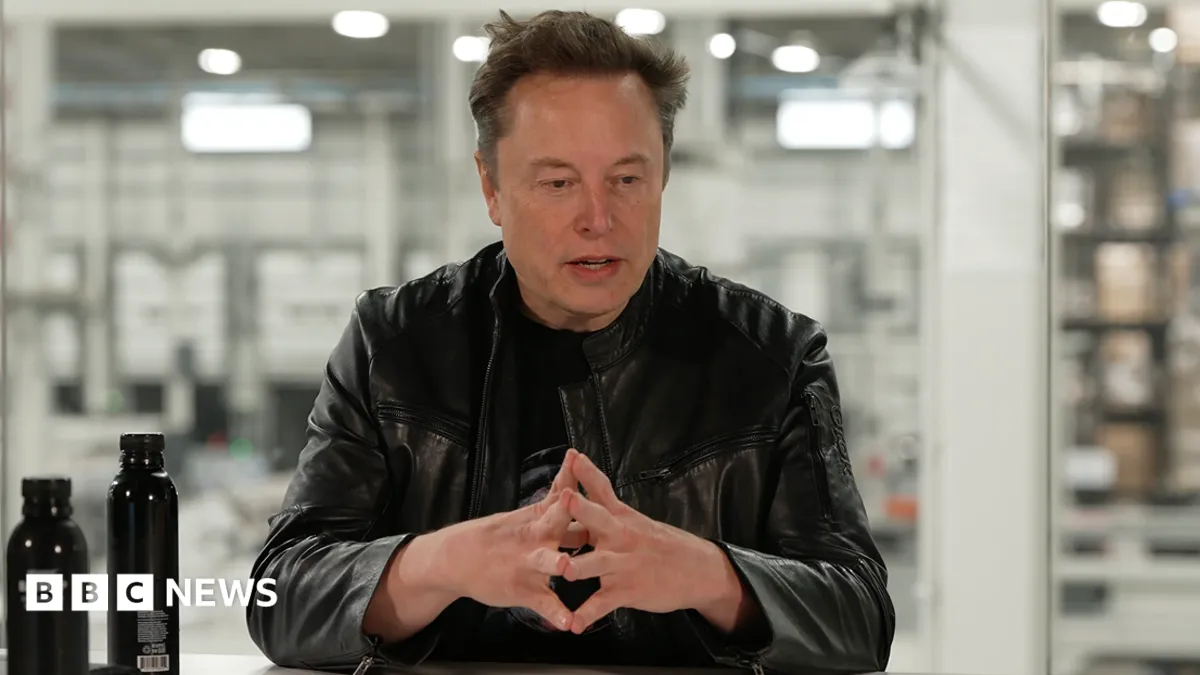
Musk weighs Tesla-SpaceX mega-merger as boards form review panels
Special committees at both companies will examine a tie-up that could fuse electric vehicles and space launch, forcing a fresh look at governance and valuation.