

Oracle's $95B AI bet pays off: cloud revenue up 121%, stock jumps 7%
The database giant refuses to blink on data center spending, and Wall Street is finally rewarding the gamble.
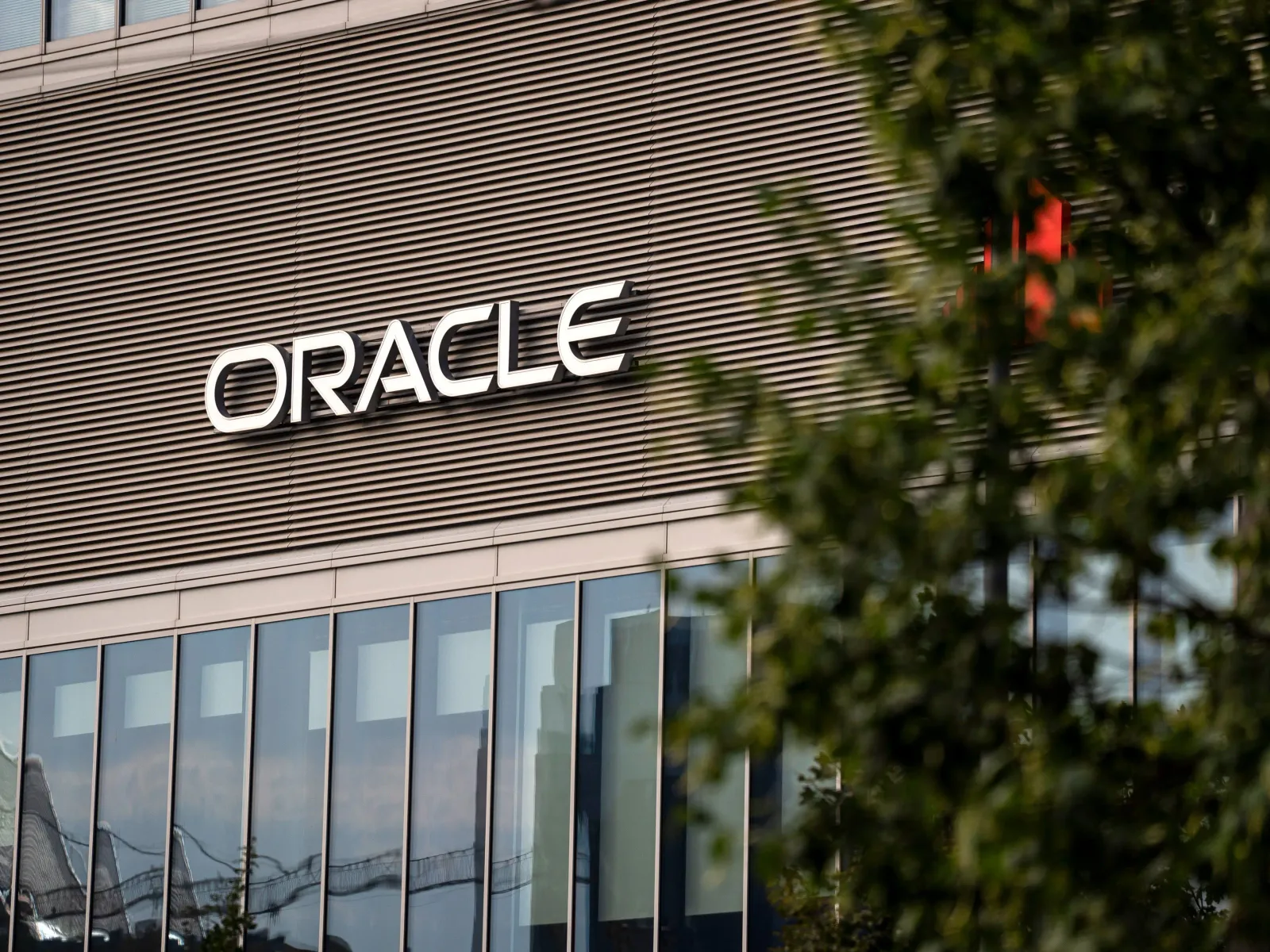
Oracle co-CEO Clay Magouyrk reaffirmed the company's $90-95 billion fiscal 2027 capex forecast even as first-quarter cloud infrastructure revenue grew 121%, sending shares up 7%. The result signals that investors may be willing to tolerate massive AI spending if it converts to sales.
Oracle is holding the line on its massive AI infrastructure bet, and the market is finally rewarding it. The company kept its fiscal 2027 capital expenditure forecast at $90 billion to $95 billion, even as it reported 121% growth in cloud infrastructure revenue for its first quarter. Shares jumped 7% after the earnings release, easing Wall Street fears that data center spending would not translate into sales. That is the headline number that matters: a company spending like a nation-state on AI capacity is now showing the revenue growth to justify it, at least for one quarter.
The numbers are staggering. Oracle spent $28.5 billion in capex in the first quarter alone, up from $8.5 billion a year earlier - a 235% increase. And the company has already spent $55.7 billion in its 2026 fiscal year, including new data centers. The question on every investor's mind: how long can this last? Co-CEO Clay Magouyrk deflected that question on the earnings call, instead focusing on how Oracle finances these projects. "We have to separate out in our minds what Oracle spends as capex directly, uncouple that directly from how we think about how the business can grow," he said. That is a deliberate reframing: Oracle wants investors to judge it on growth, not on the raw capex number.
To make that reframing work, Oracle has developed a suite of financing models that shift the burden off its own balance sheet. These include supplier financing arrangements, customer prepayments, and "bring your own hardware" deals in which customers purchase the hardware while Oracle provides the cloud infrastructure and operations. This is a meaningful departure from the traditional model where the cloud provider eats the entire capital cost. By getting customers to prepay or supply their own gear, Oracle can stretch its $95 billion forecast further and reduce the risk of a cash crunch. The company has borrowed tens of billions of dollars to build data centers and buy chips, so every dollar of customer-funded infrastructure is a dollar that does not need to be financed.
The market context makes Oracle's stance even more notable. Many major cloud companies have continued to raise their AI spending forecasts as they race to build more data centers and expand capacity - except Microsoft, which kept its capex forecast unchanged in July and also saw its stock soar after reporting earnings. Alphabet and Tesla recently increased their capex projections, sending their stocks tumbling in July. Meta narrowed its own capex forecast range. Oracle's decision to hold its forecast steady, rather than raise it again, is a signal of discipline that investors appear to appreciate. It suggests the company is confident its current spending level is sufficient to capture the AI opportunity without overcommitting.
But the pressure on profitability is real. Oracle has been under massive pressure to balance its AI spending with Wall Street's profitability expectations. Business Insider reported last month that Oracle had drawn up plans for a new round of job cuts to reduce payroll as it racks up billions in debt to fund AI infrastructure. That tension is not going away. The 121% cloud growth is impressive, but it comes from a relatively small base, and the company's overall profitability still depends on converting that growth into operating leverage. The capex forecast is unchanged from the guidance it first issued in June, which means Oracle is betting that its current trajectory will hold for another two years.
For executives and boards watching this play out, Oracle's quarter offers a template for how to communicate massive AI spending. The key is to tie every dollar of capex to a revenue growth story, and to use financing structures that reduce the immediate cash burden. Oracle's co-CEO did not promise a timeline for when spending would taper off; instead, he redirected the conversation to how the business can grow. That is a subtle but powerful move. It tells investors: do not fixate on the cost side, look at the return side. The risk, of course, is that if cloud growth decelerates, the debt burden becomes a much heavier weight. But for now, Oracle has bought itself credibility - and a 7% stock pop - by showing that its AI bet is producing real sales.
The strategic stakes extend beyond Oracle. Every major cloud provider is wrestling with the same question: how much to spend on AI infrastructure, and how to justify it to shareholders. Oracle's approach - hold the line on capex, diversify financing, and let revenue growth speak - is one answer. Microsoft's approach of keeping capex flat is another. The divergence in outcomes (Alphabet and Tesla got punished for raising guidance, Oracle got rewarded for holding steady) suggests that investors are not simply rewarding more spending; they are rewarding spending that converts to revenue. That is the lesson for any CEO making a multi-billion-dollar AI bet: the market will forgive the capex if you can show the growth. Oracle just did.
This story's Key Insights and Take-aways are locked.
Create a free account to unlock Executive Actions for one credit.
Register to UnlockAlways free for Executives Club members. Join the Club
More in Business
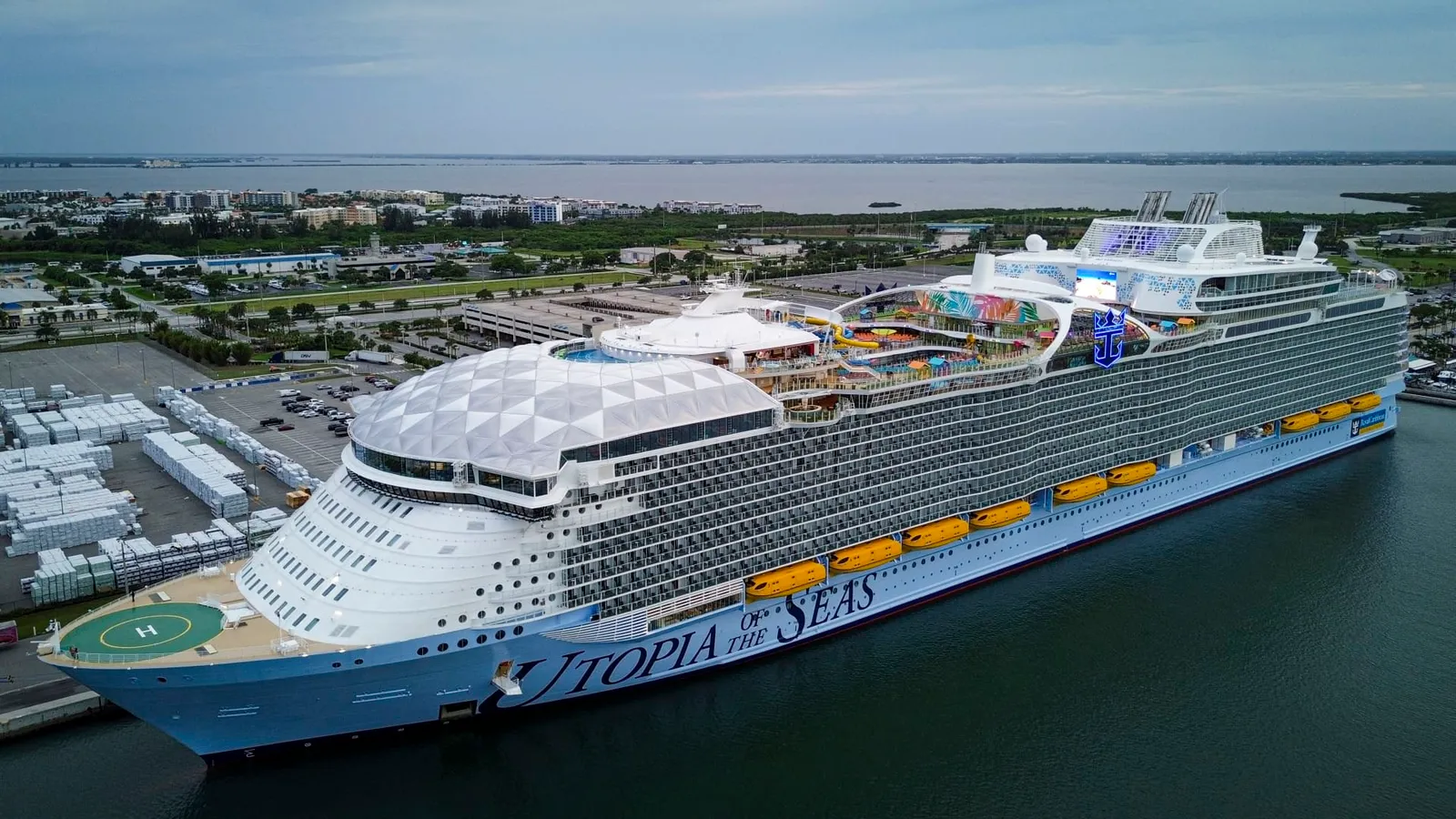
Royal Caribbean just spent $3B to own half of Sandals
The cruise giant is buying a 50% stake in the all-inclusive resort chain for $3 billion, a bet that land-based vacations are the next growth engine.

Paramount's Ellison: Merger Clearance Done, WBD Deal by Oct 1
David Ellison says the Paramount-WBD merger has full clearance after settling with state AGs, clearing the path for an October 1 close.
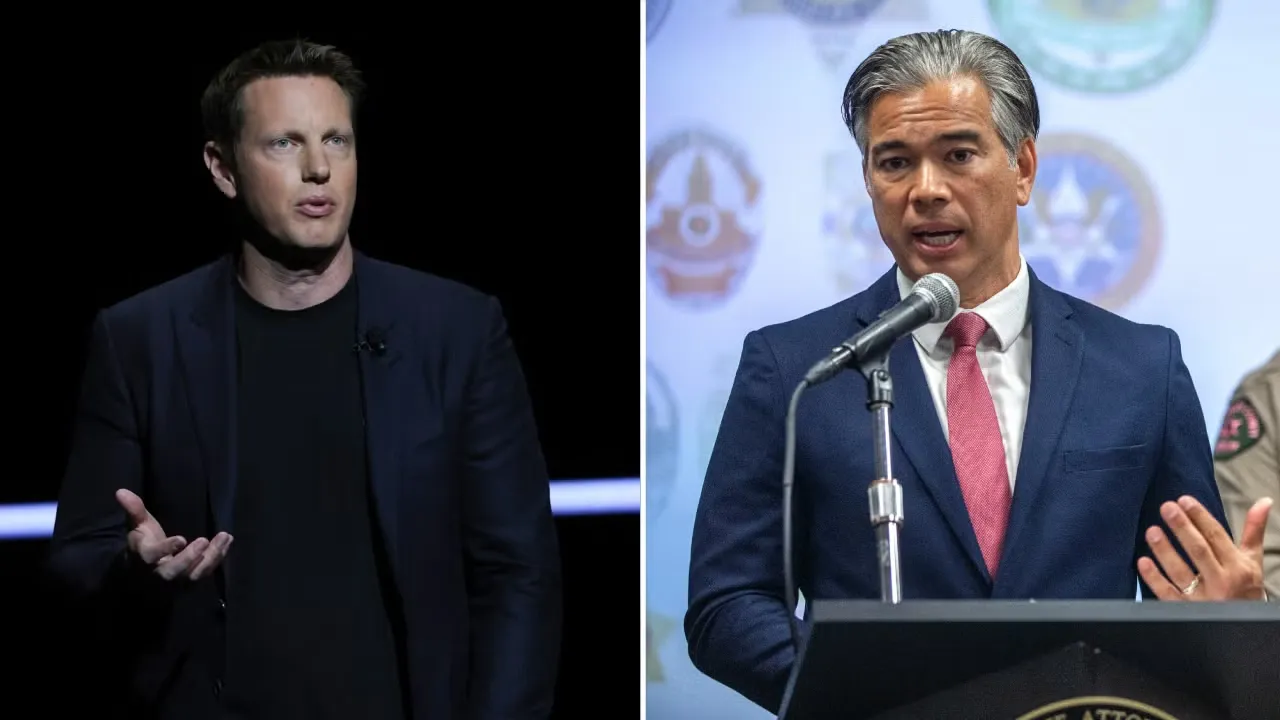
Paramount settles with 12 states, $110B Warner merger clears final hurdle
David Ellison's studio avoids a March trial and a $7M-a-day ticking fee by settling with state AGs over local job losses.