

Ozgur Ozel launches a new opposition party after May CHP removal, but Erdogan is the real test
Ozgur Ozel breaks from Turkey's main opposition CHP and forms a new party, pulling dozens of lawmakers. Can it actually compete with President Erdogan?
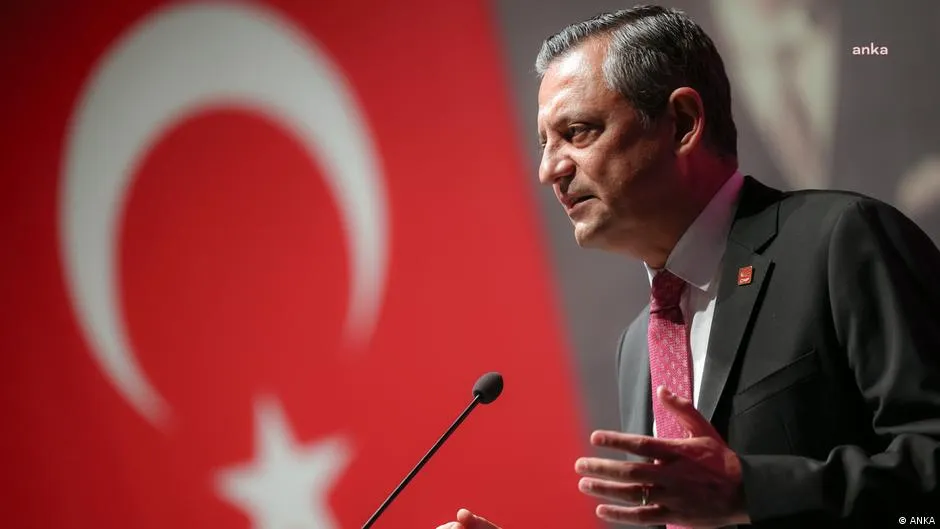
After being removed as head of Turkey's main opposition CHP in May, Ozgur Ozel announced the formation of a new party and dozens of lawmakers have followed him. The question for decision-makers is whether this split strengthens or fragments the only real path to challenging President Erdogan.
Ozgur Ozel is trying to reset Turkey's opposition math. After being removed as head of Turkey's main opposition CHP in May, he announced the formation of a new party. Dozens of lawmakers have followed him, making the move more than a symbolic split. The central test now is whether this new political vehicle can challenge President Erdogan, or whether it accelerates the fragmentation that the ruling side can use to stay dominant.
In Turkey, opposition leadership is not just a headline. It determines who controls candidate lists, who negotiates alliances, and how voters decide where their “one vote” goes when power is concentrated. Ozel's move, starting with his removal from CHP, is therefore a high-stakes bet on organizing capacity and coalition pull. And because the source flags that “dozens of lawmakers have followed him,” the implication is that Ozel did not just announce a platform, he dragged institutional weight with him. The question becomes whether that institutional weight can translate into electoral relevance fast enough to matter against Erdogan.
To understand why this matters beyond party drama, look at how Turkish politics tends to work when presidential power is strong. The executive branch sets the rules of the game, and the opposition has to compensate with unity and message discipline. When one major opposition bloc splits, it can create a twofold problem. First, it divides attention. Second, it can dilute turnout if voters conclude that a fractured opposition cannot realistically win. The source does not claim any outcome, but it does highlight the stakes: Ozel's new party must become a credible counterweight to Erdogan, not just an alternative brand.
This is also a timing issue. Ozel's removal in May and his immediate formation of a new party suggests urgency. Parties usually need time to register, build internal procedures, and consolidate support, while lawmakers need to align on how they will behave in parliament and in local structures. The story tells you that dozens of lawmakers have already followed him, which implies the leadership transition is moving quickly. But fast moves in politics come with second-order risks, especially when the opposition has to appear coherent to voters and viable to potential allies.
Regulatory framing may sound like a distant concept in a political briefing, but it often shapes outcomes in practice. Political competition depends on how parties are recognized, how campaign rules are applied, and how parliamentary activity is regulated. Even without details in the source, the underlying reality is that Turkey's political system is built around legal and institutional constraints. When an opposition leader forms a new party after leaving CHP leadership, the new party must operate within those constraints from day one. That means leadership selection, party governance, and compliance processes become operational priorities, not afterthoughts.
For executives, investors, and anyone who thinks in terms of risk, political uncertainty is not just noise. It affects policy continuity expectations, the cost of capital, and how companies plan for regulatory and consumer demand. If opposition forces reorganize in a way that increases uncertainty, firms may face a wider distribution of plausible scenarios. The key point from the source is that Ozel is not leaving the stage. He is trying to produce a new lane of competition. That can either clarify the opposition’s strategy, making the policy path more legible, or it can increase uncertainty if multiple opposition narratives compete.
The second-order implication for boards and leadership teams in any sector is about coalition power. When dozens of lawmakers follow Ozel, it signals a real internal shift, not a fringe protest. That kind of signal can influence how political actors bargain with each other, and it can shift which leaders are considered negotiation-ready. In countries where politics is tightly linked to regulation and state-linked economic structures, the identity of opposition leadership can affect how future policy debates are organized, even if the opposition is not yet in power. The source keeps the focus on whether Ozel can challenge Erdogan, but the practical question for surrounding stakeholders is whether the opposition will be perceived as a credible contender or as a split that helps the incumbent consolidate.
Bottom line: Ozgur Ozel's new party is an attempt to turn CHP’s leadership disruption into a fresh opposition engine. He is doing it immediately after his May removal and backed by dozens of lawmakers. The remaining test is stark. Can this new structure unify support well enough to matter at the ballot box against President Erdogan, or will the move fragment the opposition’s leverage further? For anyone tracking Turkey’s political risk, that answer will shape the country’s policy expectations faster than typical political timelines allow.
This story's Key Insights and Take-aways are locked.
Create a free account to unlock Executive Actions for one credit.
Register to UnlockAlways free for Executives Club members. Join the Club
More in Politics
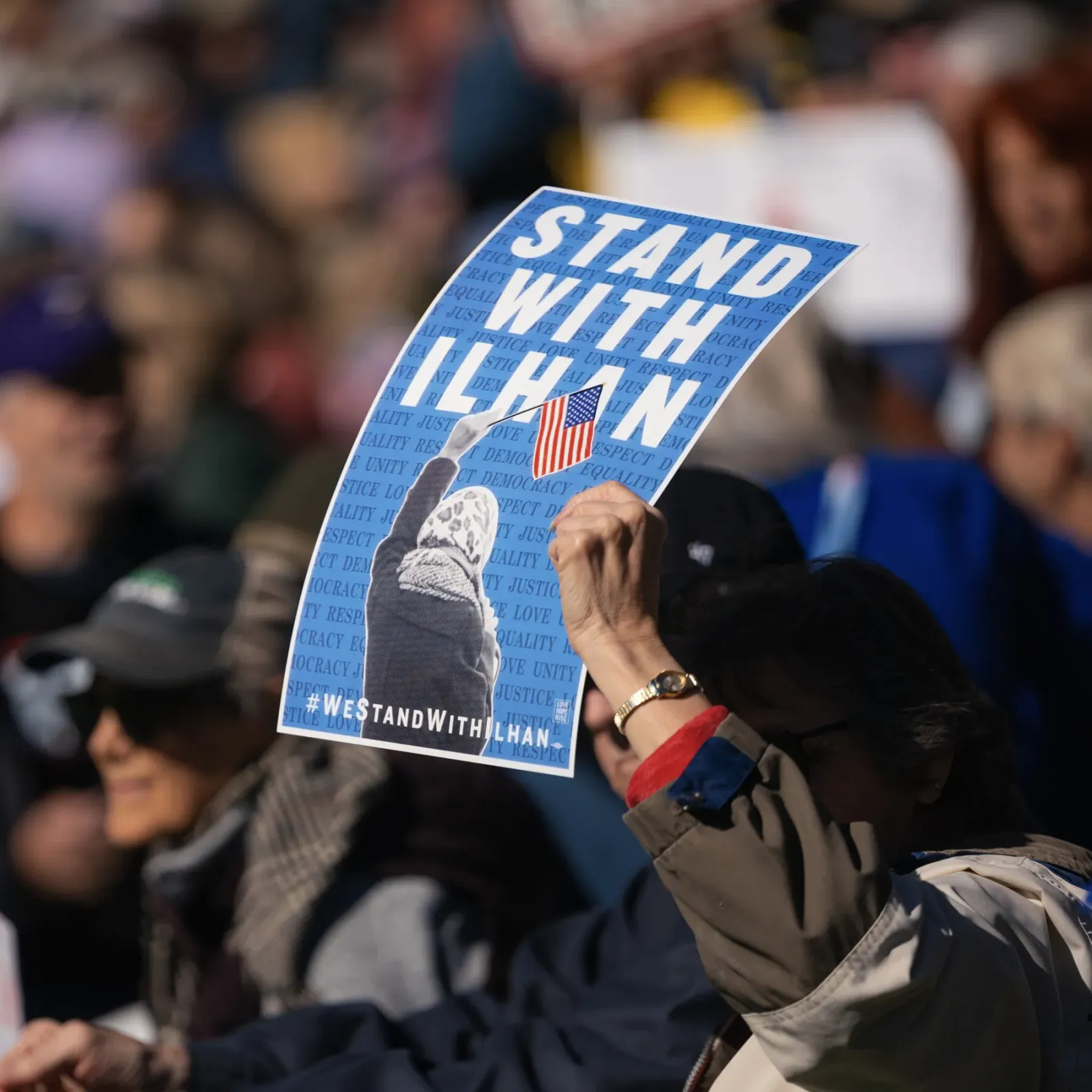
Obama Defends Ilhan Omar After Agents Search Her Home in Trump Inquiry
The former president's intervention raises the stakes in a federal probe into immigration paperwork that has put a prominent progressive lawmaker in the crosshairs.

Blair-era minister: cut welfare to fund youth job support
Alan Milburn's call for welfare cuts to fund employment support opens a Labour fight over benefits and the Neet crisis.
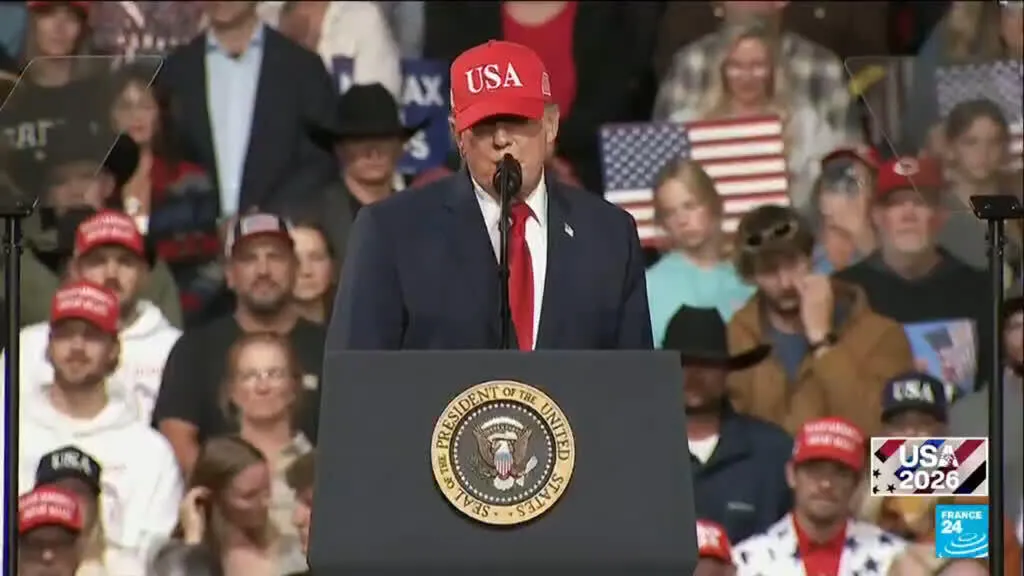
Hot September CPI: energy costs surge, voters feel the squeeze before midterms
The latest inflation print lands as Trump campaigns for GOP control of Congress, putting cost-of-living worries at the center of the midterm fight.