

Pakistan-administered Kashmir elections face boycott call as deadly protests over reserved seats spread
Voters head to the polls after weeks of deadly demonstrations tied to seats reserved for displaced people from India-administered Kashmir, and one group wants the ballot rejected.
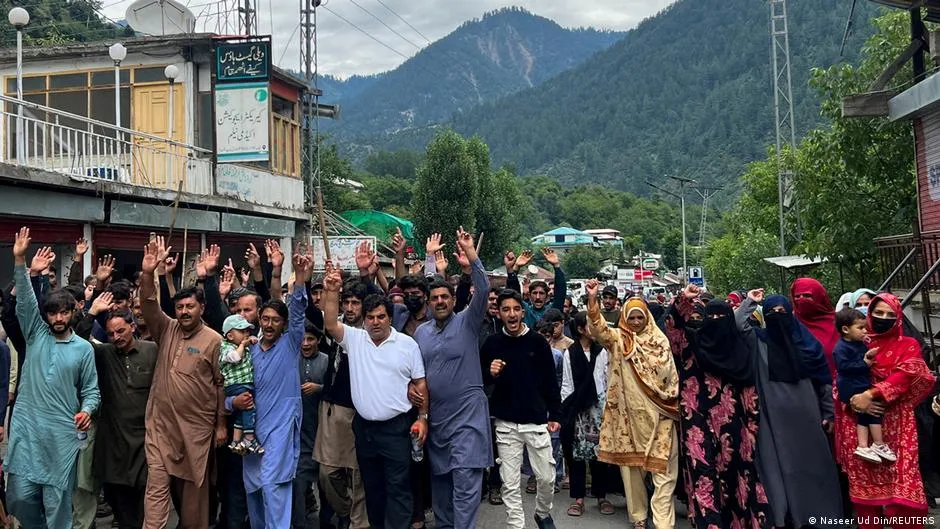
Pakistan-administered Kashmir is set to hold elections after weeks of deadly protests focused on seats reserved for displaced people from India-administered Kashmir. The election and the boycott call could further inflame tensions, with consequences for decision-makers watching the region's stability.
Pakistan-administered Kashmir is heading to the polls after weeks of deadly protests. The spark for that unrest is painfully specific: seats reserved for displaced people from India-administered Kashmir, a structure that has turned a political question into a flashpoint.
Now one local group has called for the election to be boycotted. That matters because boycotts in contested elections do not just reject ballots. They challenge the legitimacy of the process and can turn a political cycle into a prolonged legitimacy crisis, especially when protests have already turned deadly.
To understand why this is more than a regional political story, you have to understand how elections in heavily disputed territories act like pressure valves. In theory, voting creates a mechanism for representation. In practice, when the electorate and the rules for who counts as a legitimate beneficiary are disputed, the election becomes a referendum on control, identity, and historical grievances. Here, the weeks of deadly protests over reserved seats for displaced people from India-administered Kashmir signal that the “who gets represented” question is not settled on the ground.
Reserved seats are designed to address displacement. But in a contested geography, displacement can mean many things at once: people displaced by conflict, people relocated through administrative policies, and communities whose legal status and political claims remain contested. Even if the intent is inclusion, the effect can be exclusion for those who see the reservation as changing the balance of power. So when protests target reserved seats, it suggests the dispute is not only about humanitarian history, but about future governance and who will influence decisions after the votes are counted.
The boycott call adds a second layer. When a group urges people to stay away, it can reduce turnout, delegitimize the outcome, and give supporters of the boycott a narrative that the election is not credible. That narrative can travel quickly through media, social networks, and local power brokers, intensifying tensions after polling day. In volatile environments, legitimacy is not a paperwork issue. It becomes a mobilization tool.
For decision-makers who operate at the intersection of politics and risk, the implications are immediate. First, instability often increases the transaction costs of doing anything that depends on stable public order: humanitarian logistics, cross-border coordination, supply chains, and even the simple safety of personnel. Second, election cycles can create unpredictable bursts of unrest. Even when an election is meant to calm tensions, the countdown can be when mobilization peaks.
There is also a governance angle that matters for boards and investors who are tracking rule-of-law risk. Elections and protests can alter how authority is enforced, which can shift the operating environment for public services and local institutions. If reserved seats remain a central grievance, post-election governance may be constrained by ongoing conflict over representation. That can affect the implementation of policies, the ability of administrations to deliver services, and the speed at which disputes are resolved.
And because the underlying issue involves displacement from India-administered Kashmir into Pakistan-administered Kashmir political structures, this is not an isolated administrative debate. It is part of a wider geopolitical tension with long-running consequences for the region. When disputes run on both sides of a border, domestic political decisions can become international flashpoints, even if the immediate conflict is local.
So the stakes are bigger than whether people vote. Pakistan-administered Kashmir is heading to the polls after deadly protests over reserved seats, and a local group is calling for a boycott. If the election proceeds amid a turnout challenge, leaders will be forced to manage not only ballots but legitimacy. If unrest escalates, the region could move from election day instability to a longer, harder phase of contestation.
For executives and boards watching similar flashpoints elsewhere, the lesson is blunt. Elections do not automatically pacify. When protests concentrate on representational rules like reserved seats, and when a boycott challenge enters the equation, the political system may absorb the stress, or it may amplify it. The difference is measured not in speeches, but in whether the process produces acceptance on the ground.
This story's Key Insights and Take-aways are locked.
Create a free account to unlock Executive Actions for one credit.
Register to UnlockAlways free for Executives Club members. Join the Club
More in Politics
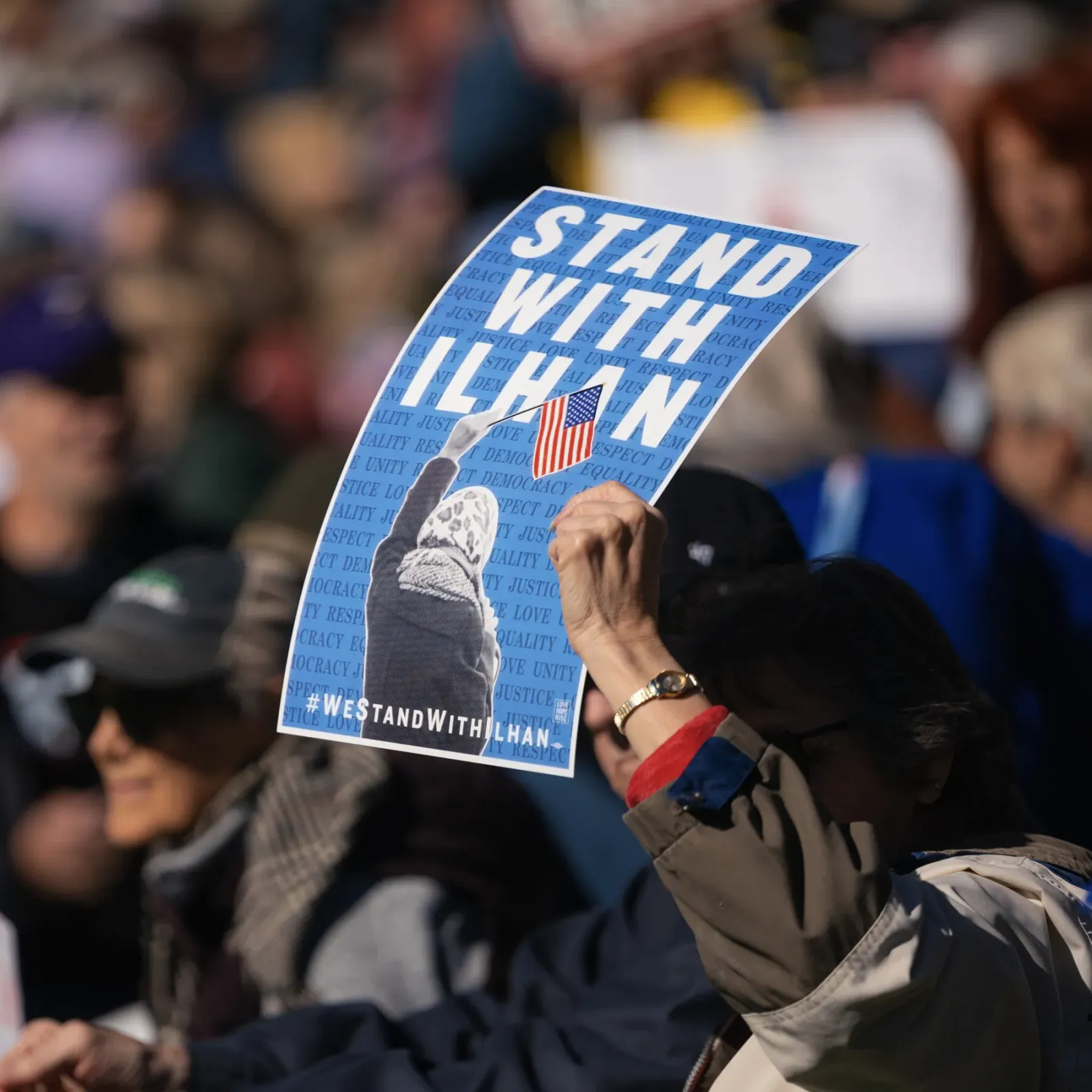
Obama Defends Ilhan Omar After Agents Search Her Home in Trump Inquiry
The former president's intervention raises the stakes in a federal probe into immigration paperwork that has put a prominent progressive lawmaker in the crosshairs.

Blair-era minister: cut welfare to fund youth job support
Alan Milburn's call for welfare cuts to fund employment support opens a Labour fight over benefits and the Neet crisis.
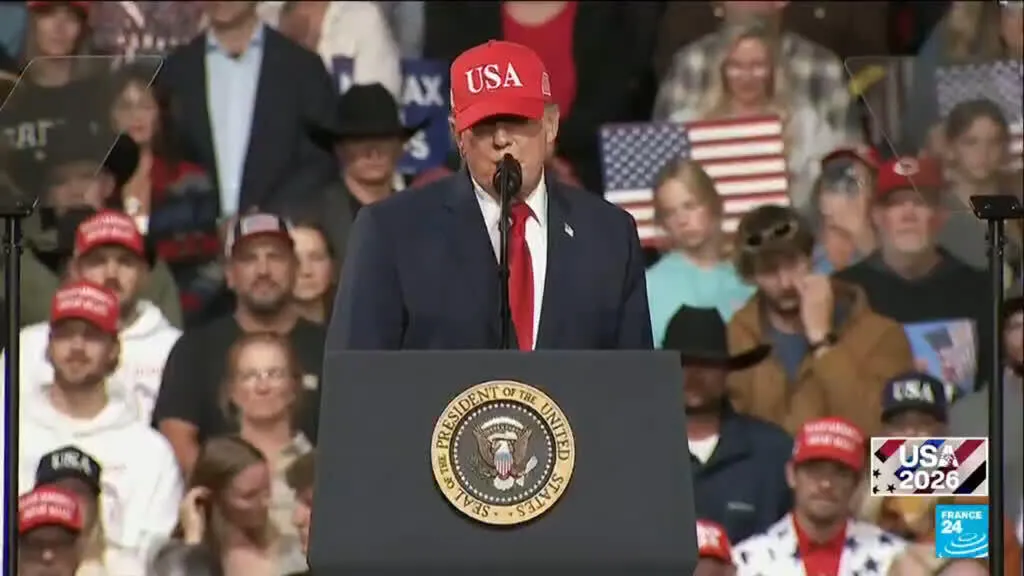
Hot September CPI: energy costs surge, voters feel the squeeze before midterms
The latest inflation print lands as Trump campaigns for GOP control of Congress, putting cost-of-living worries at the center of the midterm fight.