
Palworld’s 1.0 patch quietly redesigns Pals like Verdash, Robinquill, and Fenglope
Pocketpair shipped the creatures overhaul with its launch update, adding plausible deniability while the Nintendo patent fight rumbles on.
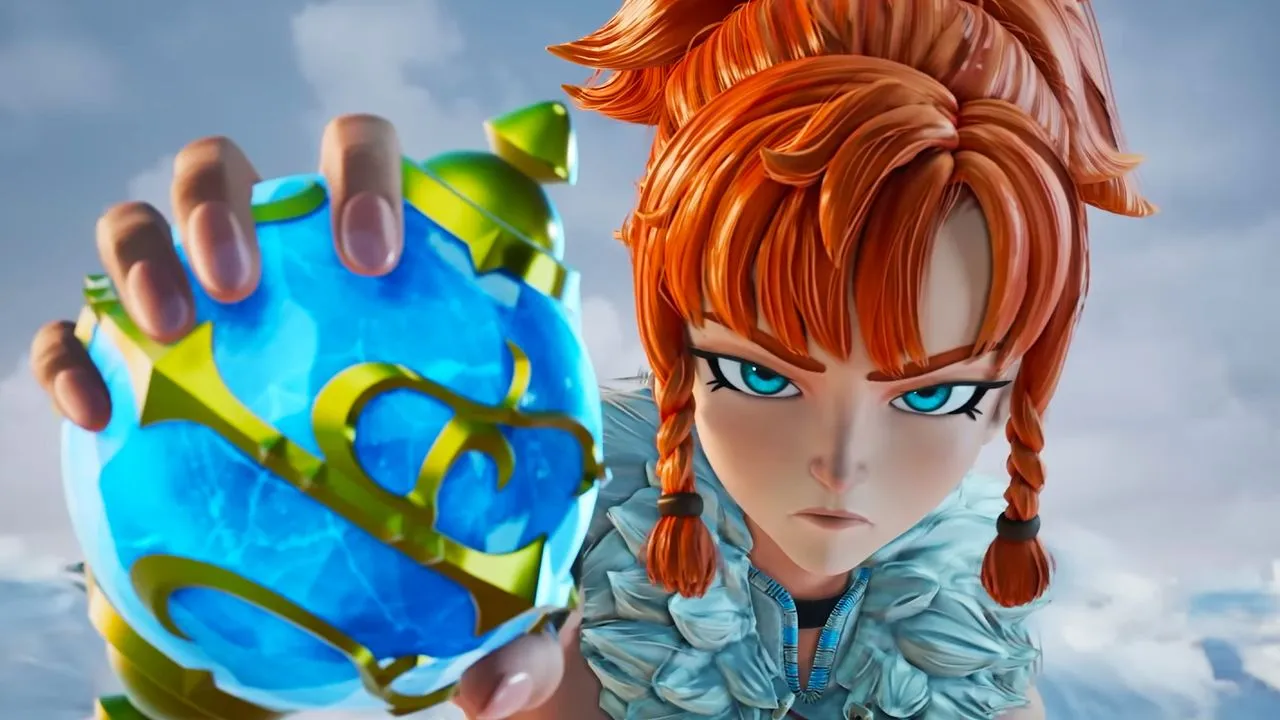
Pocketpair’s Palworld left early access with a massive 1.0 patch, and it also quietly reworked several Pal designs. For decision-makers, it is a reminder that visual IP risk, regulatory scrutiny, and ongoing litigation can force product changes even when the changelog stays silent.
Palworld is out of early access now, and its big 1.0 patch brought an avalanche of changes. Buried inside that launch moment is a quieter but politically expensive move: Pocketpair revised some of the most egregious creature designs among its Pals, specifically those previously cited as looking too much like well-known Pokémon.
In particular, players pointed to Verdash, a frequently mentioned Cinderace lookalike, which has been given less-humanoid proportions and no longer apes the legwear of its inspiration. Robinquill and Fenglope were also singled out, and Pocketpair removed the color palettes of Decidueye and Cobalion from them respectively, along with detail reworks meant to further distinguish each Pal from its doppelgangers. And yes, Cremis is still Cremis, according to the same discussion.
This matters beyond aesthetics, because Palworld did not just stumble into controversy. At launch, it drew derision for “Pals that tested the definition of creative inspiration,” with some creatures constructed from recognizable Pokémon silhouettes, limbs, details, and design elements. The description from PC Gamer is blunt: in some cases, the color palette was not even changed, which is the kind of design choice that inflames both fan arguments and legal risk.
Now fast forward to the 1.0 moment. PC Gamer notes that these redesigns were not mentioned in the massive 1.0 changelog, even though the patch itself is framed as huge and has already drawn hundreds of thousands of new and returning players. That contrast is the signal executives should notice: when a release is loud and the changelog is silent, teams are often trying to minimize attention to a specific risk surface while still shipping the fixes.
There is also a regulatory flavor to this story, even if it is indirect. The source compares the game’s appeal to “conditions that OSHA would object to if they were people,” which is an intentionally exaggerated joke. But the underlying point is real: if you sell a creature-collection fantasy that brushes up against familiar IP and controversial vibes, public scrutiny is not just theoretical. It comes from players, creators, press, and sometimes regulators who may not care about your intent, only your output.
Then there is the elephant in the room that is not about creature visuals directly, according to PC Gamer. Palworld’s character designs were never the basis of Nintendo’s still-ongoing lawsuit with Pocketpair. Nintendo’s case is instead centered around a series of patents the company holds on specific creature-capturing and riding mechanics. That distinction is critical for readers who think the redesign is automatically a settlement breadcrumb. PC Gamer explicitly says there is no immediate reason to assume the visual reworks are part of an as-yet undisclosed settlement agreement. It also notes that there has been doubt cast on the validity of the Nintendo patents since the lawsuit was initiated.
So why redesign the creatures if the suit is about mechanics, not characters? The practical answer is incentives. Even when litigation targets a different element, teams can still reduce exposure in the court of public opinion. Visual similarity drives memes, backlash, and brand dilution. It also increases the chance that journalists and watchdogs keep focusing on “how it looks” instead of “what it does.” By adding “plausible deniability,” Pocketpair is making a defensive product move that can help protect sales momentum during a high-visibility launch.
Second-order, board-level implications follow. When a company ships a 1.0 release, it is not just shipping features. It is resetting the narrative for investors, publishers, platform partners, and future collaborators. A quiet redesign suggests internal alignment on risk reduction even without changing the core product loop. It also suggests that Pocketpair is willing to do targeted art direction revisions at scale, which is good operationally and not always a given for smaller studios.
And if you are in the “similar roles” category, this is a useful playbook lesson. Your IP risk does not only come from the exact claims in a lawsuit. It can come from what players notice first, what journalists amplify, and what makes your product feel like a copy even when your legal arguments might ultimately be stronger elsewhere. Palworld’s update is a reminder that the product surface area is everything, and silence in a changelog can still be an announcement to the people who know how to read it.
One last footnote from the source is the reminder of how far the discourse went at launch: it references “Pickmos,” the game formerly known as Pickmon. The punchline there is not legal; it is cultural. But culture is often the early warning system for legal and commercial trouble. Palworld is addressing at least part of that signal now, even as the mechanics-based Nintendo patent fight continues in the background.
This story's Key Insights and Take-aways are locked.
Create a free account to unlock Executive Actions for one credit.
Register to UnlockAlways free for Executives Club members. Join the Club
More in Entertainment

12TB Steam 'teraleak' goes beyond Valve: GTA 3, Mafia 2 prototypes exposed
A 12-terabyte dump of Steam data reveals prototypes and builds of third-party classics like GTA 3 and Mafia 2, plus unreleased Valve content, rewriting game history.

LinkedIn's romance problem: 1 in 4 workers say dating on it is fair game
A new survey shows a quarter of U.S. employees treat the professional network as fair game for romance, even as LinkedIn bans it and removes hundreds of thousands of offending posts.

Enhypen's first No. 1 album breaks K-pop's Billboard 200 streak
The K-pop group's 98,000-unit debut tops the chart while Dolly Parton's catalog reentry shows how death reshapes streaming.