
Palworld TCG sells out as scalpers flip cards for thousands, fans get squeezed
The official Palworld trading card game launches into a scalper market, mirroring the worst patterns from Pokémon cards.
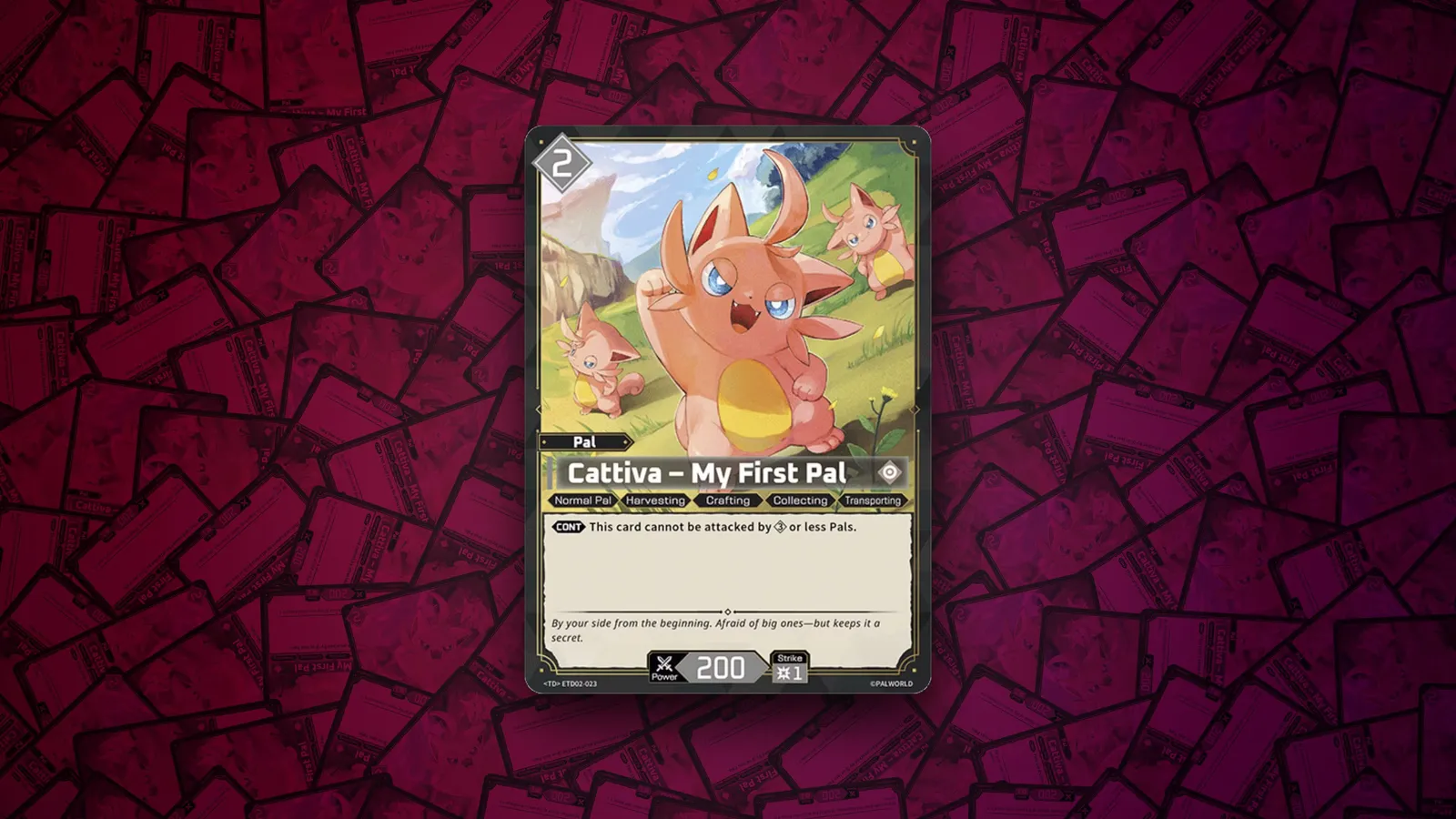
Pocketpairs official Palworld trading card game is already out, and it is selling out in many places because scalpers are buying inventory to resell at extreme markups. For decision-makers, the episode is a live stress test of how collectible launches can undermine demand, trust, and brand value before the first restock.
Pocketpair has already watched its official Palworld trading card game hit stores and immediately trigger a familiar consumer nightmare: scalpers moving product fast and selling it for thousands of dollars, leaving fans stuck outside the window. The Palworld TCG is sold out in many places, not because demand is fake, but because intermediaries are inserting themselves between the people who want to play and the product itself.
The uncomfortable punchline is how quickly the vibe shifted. When Palworld developer Pocketpair first announced an official trading card game, fans joked the monster-collecting game was finally going after Pokémon, as if it were walking straight out of the franchise lunchroom. Now that the Palworld Official Card Game is actually out, the joke is landing less like comedy and more like a warning label: popular trading card games can be brutal for anyone who genuinely wants to collect or play.
This is the core incentive problem that shows up again and again in trading-card markets. When cards are scarce at launch and resales can clear at big premiums, scalpers do not just buy to enjoy. They buy to arbitrage. That arbitrage changes who wins the drop, who gets to build decks, and who even gets access to the hobby at all. The result is that “demand” becomes difficult to separate from “price manipulation,” and the experience for legitimate buyers turns into a stress test they never agreed to.
It also exposes a tension that operators and brand owners often underestimate: a collectible product has two marketplaces at once. There is the intended marketplace, where fans purchase to open packs, trade, and play. Then there is the secondary market, where the same goods can become financial instruments. The Palworld TCG story described here points directly to scalpers squeezing fans for thousands of dollars, and it explicitly notes that this mirrors what happens with Pokémon cards. That comparison matters because it frames the pattern as not just one bad launch, but a repeatable market behavior.
Regulatory and enforcement angles typically come into focus only after the damage is done. In many regions, scalping itself is often legal if the seller is transparent and compliant, even when the pricing feels predatory. The harder question for companies is not “can scalpers exist,” but “can the initial distribution model be made resilient enough that the scalpers do not dominate the earliest cycles.” The source does not claim any wrongdoing by specific parties. What it does show, very concretely, is an outcome: the product is sold out in many places, and fans are being squeezed by resellers charging extreme prices.
The second-order implications for boards and leadership teams are immediate. Trading card launches are brand moments. They generate excitement, community participation, and early-game momentum. But when the purchase path is effectively controlled by scalper inventory, fans may not interpret the shortage as a supply constraint. They may interpret it as exclusion. And once trust takes a hit, it can linger, even if inventory improves later.
There is also a community feedback loop risk. When people cannot buy packs at reasonable prices, they do not just lose the chance to open product. They lose the chance to learn decks, host local play, trade in good faith, and bring friends in. That can slow the ecosystem’s growth just as it is supposed to ignite. The source frames this as “awful for anyone who genuinely wants to play or collect,” which is not just consumer frustration. It is a path to weaker long-term engagement.
For executives in gaming, consumer collectibles, and adjacent merch categories, this is a strategic stakes reminder. The Palworld TCG has already run into the same “scalper squeezes fans” pattern seen in Pokémon. If you are launching a collectible where scarcity plus high resale potential can attract arbitrage, you are not only selling product. You are shaping access, fairness perceptions, and community momentum from day one. The earliest phase matters because it sets the tone for whether legitimate demand turns into a thriving hobby or gets replaced by a churn of flipping and frustration.
This story's Key Insights and Take-aways are locked.
Create a free account to unlock Executive Actions for one credit.
Register to UnlockAlways free for Executives Club members. Join the Club
More in Entertainment

'It's a Magic Trick': Ballet Experts Say Rosalía's SNL Pose Is Impossible
Three ballet experts tell Rolling Stone Rosalía's gravity-defying SNL stillness shouldn't be possible - and why the debate is now part of the show.

Activision CMO: GTA 6 Will Boost Call of Duty, Not Bury It
Activision's top marketer says Rockstar's blockbuster will drive players back to consoles and into Modern Warfare 4, even as the company admits its recent strategy failed.

Justice to Score GTA 6, Share New Song with Tame Impala, SZA, King Gizzard
Rockstar taps the French duo for the GTA VI score, and the first taste is a genre-melting collab with Tame Impala, SZA, and King Gizzard & The Lizard Wizard.