

Paramount links 12-state antitrust fight to Paramount+ subscriber case for $111B Warner merger
A merger challenge filed by states will likely land before Judge Araceli Martinez-Olguin, accelerating how the case gets decided.

Paramount agreed to a request from 12 states to link their federal antitrust case to a pre-existing suit brought by Paramount+ subscribers. The consolidation likely routes the $111 billion merger with Warner Bros. Discovery to Judge Araceli Martinez-Olguin, a Biden appointee already handling the subscriber matter, affecting timing and strategy for both sides.
Paramount has agreed to a request from 12 states to link their federal antitrust case to a pre-existing lawsuit brought by Paramount+ subscribers. In plain English: the states' challenge to the $111 billion merger with Warner Bros. Discovery is now set up to be heard alongside a case already in motion, instead of running on a parallel track.
That means the states' challenge will likely end up before Judge Araceli Martinez-Olguin, a Biden appointee already handling the Paramount+ subscriber suit. For decision-makers, this is one of those procedural moves that quietly matters a lot. Who the case lands with, and how consolidated litigation is organized, can shape the speed, the evidence the court prioritizes, and the overall litigation posture of the parties.
To understand why executives and boards should care, zoom out to how US merger antitrust cases typically move. When multiple plaintiffs bring similar legal theories, courts often consolidate to avoid duplicative discovery, inconsistent rulings, and parallel briefing that forces everyone to fight the same war twice. The result is usually less chaos for the judiciary and, for companies, a single “front door” where the narrative of competitive harm gets tested.
This matters specifically because the merger is large enough to pull in everyone’s attention and everyone’s risk models. A $111 billion combination is not just a corporate finance event. It is a restructuring of scale in streaming, a reallocation of bargaining power across content and distribution, and a new platform for bundling that could affect pricing and access. Antitrust plaintiffs, including states, generally look for ways that increased concentration could reduce competition or make it easier to raise prices, disadvantage rivals, or tighten market access for consumers and creators.
In this case, the linking agreement signals Paramount is willing to align procedural paths. The source does not say why Paramount made the request agreement, but the practical effect is clear: the states’ case is more likely to be absorbed into the existing subscriber litigation rather than staying separate. From a litigation strategy standpoint, consolidation can be a double-edged sword. On one side, a unified case can reduce the company’s administrative burden and consolidate the issues so the parties fight fewer multi-track battles. On the other, it can intensify focus on the core allegations if the court sees the combined set of arguments as one package.
The judge detail is the other big lever. Judge Araceli Martinez-Olguin, described as a Biden appointee who is already handling the Paramount+ subscriber case, becomes the likely centerpiece for the combined fight. In federal litigation, the assigned judge influences scheduling and how aggressively disputes are resolved. Even if the legal standards do not change, the way a case is managed can affect how quickly parties get to critical stages like motions, discovery disputes, and evidentiary hearings.
There is also a broader industry incentive at work: streaming consolidation is under scrutiny from multiple angles, not just merger approvals. When subscribers sue, they typically frame the concern as consumer impact. When states sue, they generally frame the harm in terms of competition, market power, and the public interest. Linking the two can create a more comprehensive picture of alleged harm, because the court is asked to consider both perspectives within the same procedural container.
For executives and boards watching this sector, the second-order implication is timing risk. Delays in litigation can change leverage, bargaining positions, financing structures, and internal planning for integration or standalone operations. Conversely, a consolidated and well-managed case can compress timelines and force quicker decision points for leadership. Even without new substantive claims being introduced, the road to a decision can become clearer when cases converge.
Finally, this move is a reminder that merger strategy is not just about corporate combinations and regulatory press releases. It is also about court logistics, plaintiff coordination, and the identities of the people who get to steer the docket. If you sit in a legal, finance, or board seat at a company facing antitrust scrutiny, the lesson is that “who hears it” can be as consequential as “what the complaint says.” Paramount’s agreement to link the cases increases the odds that the $111 billion Warner Bros. Discovery merger antitrust challenge will be addressed through one consolidated judge-led pathway, with Judge Araceli Martinez-Olguin likely at the center of the fight.
This story's Key Insights and Take-aways are locked.
Create a free account to unlock Executive Actions for one credit.
Register to UnlockAlways free for Executives Club members. Join the Club
More in Business

Epic and Google drop settlement bid, forcing rival Android app stores by July 22
Google told the court it is ready to carry third-party app stores starting Wednesday, July 22.
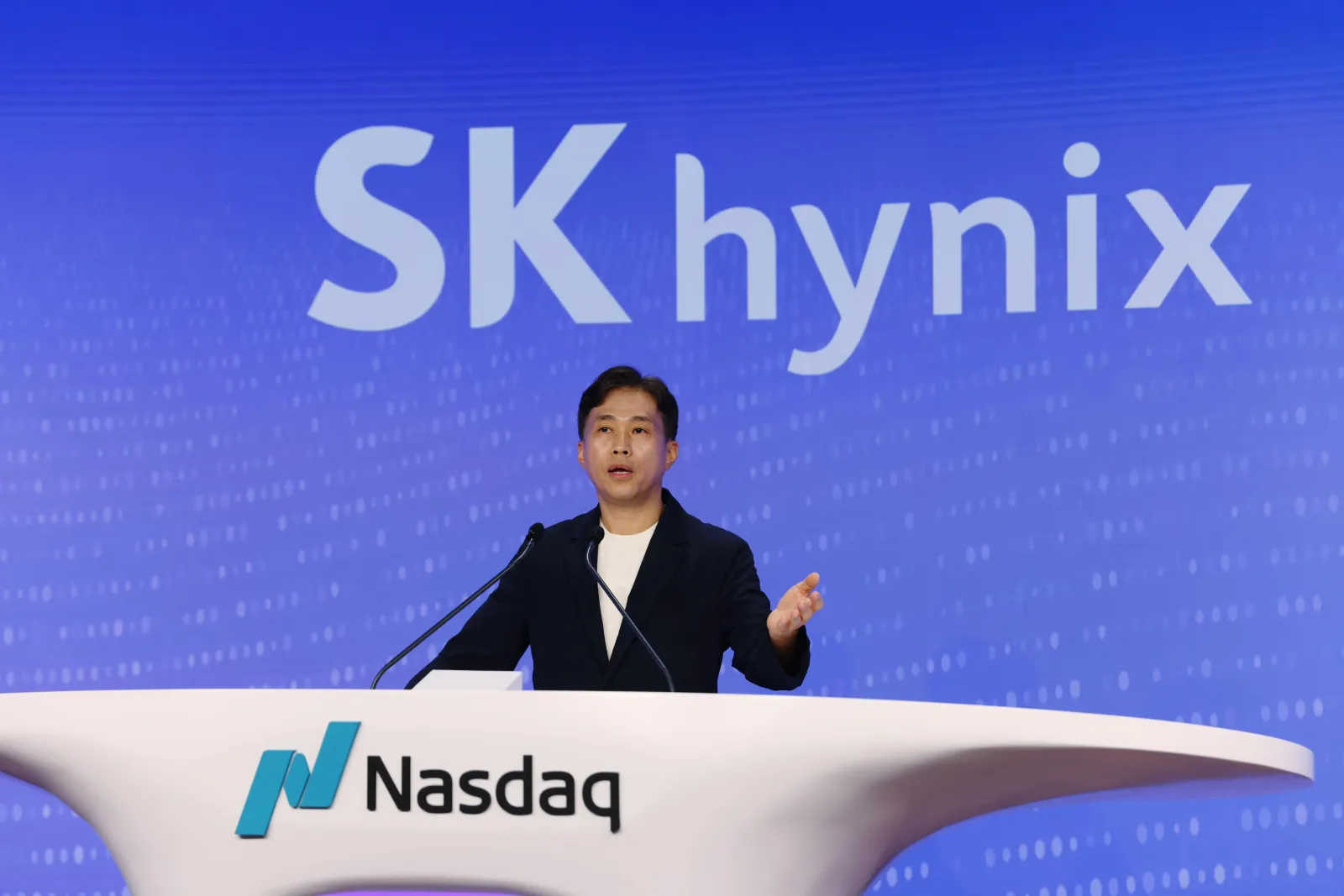
SK Hynix opens at $170, raises $26.5B, and tops foreign IPO records
In Friday's Wall Street debut, SK Hynix turns AI RAM demand into a $26.5B fundraising moment that rewrites comps.

China lands a reusable Long March booster, a first that matches SpaceX and Blue Origin
A barge landing and net-based recovery move China from theory to proof, reshaping the reusability race and satellite ambitions.