

Paramount Skydance joins California states case to sync it with Paramount+ subscriber lawsuit
The merger antitrust challenge by 12 state AGs will likely be heard by the same judge already handling the earlier subscriber case.

Paramount Skydance Corporation and Skydance Media, LLC agreed to tie the antitrust merger case brought by 12 state attorneys general to a prior Paramount+ subscriber lawsuit. For decision-makers, that coordination raises the odds of one judge overseeing both tracks, tightening how quickly and coherently the arguments move toward the Paramount-Warner deal’s July 22, 2026 closing timeline.
Paramount Skydance says it will coordinate the states’ antitrust merger case with an earlier lawsuit brought by Paramount+ subscribers. In a Tuesday filing, the defendants agreed to “tie” the State of California’s administrative motion to consider whether cases should be related, joining in the request that the California action be deemed related to an already pending case, “Faust v. Paramount Skydance Corp.” The filing also notes that Warner Bros. Discovery, a fellow defendant in the California action, “further joins” the response.
This matters because it points to where the fight will actually be managed. The legal update means the states’ suit against the $110 billion Paramount-Warner merger will probably go before Judge Araceli Martinez-Olguin, the same judge handling the Paramount+ subscriber lawsuit. That earlier case was filed in April by five subscribers in California federal court on antitrust grounds over the WBD deal. According to the plaintiffs, the Paramount-Warner deal, if allowed to proceed, would strengthen “Paramount’s ability and incentive to raise prices, reduce output, narrow slates, reduce quality and worsen consumer-facing terms, including through control of distribution, exclusivity, windowing and licensing.”
So you have two lanes of the same underlying concern. The first lane comes from private plaintiffs, targeting how concentration could change consumer terms. The second lane comes from public enforcers. On Monday, California Attorney General Rob Bonta, leading 12 state attorneys general, sued to block the Paramount-Warner Bros. Discovery merger, arguing it would create an entertainment giant with increased leverage over movie theaters and cable and streaming platforms. Bonta described the move on CNN as a way “to make sure that the proposed merger is halted during the pendency of the litigation.”
The states also sought immediate relief. Their Monday evening filing requested a temporary restraining order and an injunction to prevent Paramount and WBD from closing. The filing states that the defendants represented to counsel for the State of California that they may close and consummate the Transaction as soon as July 22, 2026. That date acts like the deadline clock executives hate most. It is not just about whether a judge blocks a merger. It is about what happens to leverage, negotiations, and even operational planning while a closing date is hanging over the process.
Paramount has been consistent in its messaging about the transaction. A spokesperson told TheWrap in April that Paramount is confident the subscriber case is “without merit” and argued the merger would “create a stronger competitor.” The spokesperson added that the combination of Paramount and WBD “will create a stronger competitor that is well positioned to serve as a champion for creative talent and consumer choice.” On Tuesday, Paramount did not immediately respond to TheWrap’s request for comment on the coordination request.
The company’s public stance in the antitrust fights is mirrored in the states dispute. When the 12-state complaint was filed, Paramount’s spokesperson said they plan to “vigorously defend the transaction” and argue the challenge is “inconsistent with sound competition policy and the competitive realities of the media marketplace.” The spokesperson also warned that “Delaying this transaction will only harm entertainment workers,” adding that they have “already suffered over recent years as technology has disrupted their livelihood” and “cost California tens of thousands of entertainment jobs.”
Now consider the legal mechanics behind Tuesday’s step. By agreeing to seek related handling through the same administrative motion, Paramount Skydance and Skydance Media, LLC are effectively making it easier to align how the court treats overlapping factual and legal issues. Courts can be wary of duplicative proceedings. Related cases can mean coordinated scheduling, consistent rulings on recurring questions, and fewer chances for one track to contradict the other. For companies, coordination can cut both ways: it may streamline the path to a decision, but it can also reduce the ability to keep arguments separated or delay resolution through procedural complexity.
There is also a practical signaling effect for boards and leadership teams in industries where large media combinations are increasingly common. This is not a niche dispute. It sits at the intersection of streaming consolidation, distribution leverage, and the incentives to change pricing and content output if deals reduce competition. The states’ theory emphasizes theater and platform leverage. The subscriber plaintiffs emphasize a broader menu of consumer harm, including prices, output, slate decisions, quality, and distribution-related controls such as exclusivity, windowing, and licensing. When those theories end up on the same judge, the probability of an integrated, persuasive narrative for enforcers rises.
For other deal-makers, private and public, the takeout is simple: you cannot treat merger litigation as one monolithic event. It becomes multiple filings with different plaintiffs and different burdens, and then the court decides how to connect them. Tuesday’s coordination by Paramount Skydance makes that connection explicit. With a potential closing date represented as July 22, 2026, the sooner the courts lock in procedural alignment and substantive rulings, the less room executives have to assume the merger timeline will remain flexible. And the more that alignment happens under one judge, the harder it becomes to compartmentalize the risk into “consumer” versus “state” arguments.
This story's Key Insights and Take-aways are locked.
Create a free account to unlock Executive Actions for one credit.
Register to UnlockAlways free for Executives Club members. Join the Club
More in Business

Epic and Google drop settlement bid, forcing rival Android app stores by July 22
Google told the court it is ready to carry third-party app stores starting Wednesday, July 22.
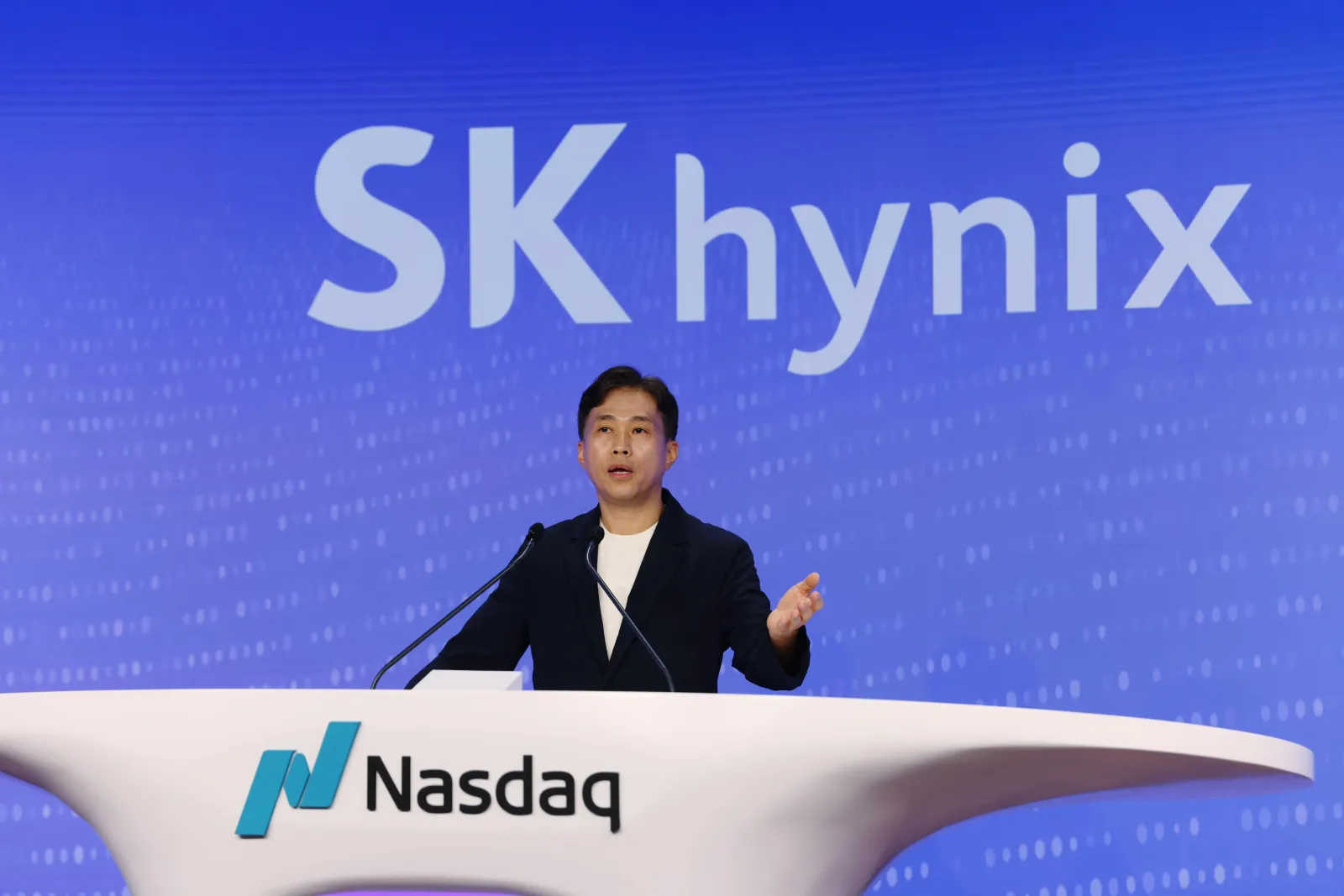
SK Hynix opens at $170, raises $26.5B, and tops foreign IPO records
In Friday's Wall Street debut, SK Hynix turns AI RAM demand into a $26.5B fundraising moment that rewrites comps.

China lands a reusable Long March booster, a first that matches SpaceX and Blue Origin
A barge landing and net-based recovery move China from theory to proof, reshaping the reusability race and satellite ambitions.