

Paramount-WBD Settlement Terms: 30-Film Guarantee, CNN Oversight, Cable Sales
The emerging settlement between Paramount and Warner Bros. Discovery could reshape production pipelines, channel portfolios, and newsroom governance.

Paramount Global and Warner Bros. Discovery are negotiating a settlement that may include production commitments, a 30-film minimum guarantee, cable channel divestitures, and a CNN oversight board. For media executives, the terms signal how consolidation deals are being shaped by regulatory and competitive pressures.
The contours of a settlement between Paramount Global and Warner Bros. Discovery are beginning to take shape, according to The Hollywood Reporter, with a menu of options that includes production or job commitments, a 30-film minimum guarantee, the sale of cable channels, and the creation of a CNN oversight board. These are not hypotheticals; they are the concrete terms under discussion as the two media giants seek to resolve whatever dispute or regulatory hurdle has brought them to the table. For executives watching from the sidelines, the list is a window into how consolidation deals are being shaped by competitive and regulatory pressures.
The 30-film minimum guarantee is perhaps the most striking. It would commit Paramount to a specific volume of theatrical releases, a significant financial and operational undertaking at a time when streaming economics have upended traditional distribution. For a studio that has seen its film slate fluctuate, such a guarantee would lock in production spending and potentially force prioritization of blockbusters over riskier bets. It also signals to investors that the company is willing to make a long-term bet on theatrical exhibition, even as the industry debates the future of the movie theater.
Selling off cable channels is another lever. Paramount and WBD both own legacy networks that have seen cord-cutting erode their value. Divesting these assets could raise cash and streamline focus, but it also means giving up recurring revenue and distribution leverage. The decision would likely be driven by antitrust concerns about market concentration in the pay-TV space. Regulators have increasingly scrutinized media mergers for their impact on consumers and competition, and shedding channels could be a preemptive concession to secure approval.
The CNN oversight board is a governance innovation. CNN, part of WBD, has been a flashpoint for editorial independence debates. An oversight board could be designed to insulate the newsroom from political or corporate interference, a condition that might be demanded by regulators or by Paramount as a condition of any deal. It would be a precedent for how media companies handle journalistic integrity in an era of heightened scrutiny. The board's composition and powers would be critical, but the mere existence of such a mechanism signals a shift toward more formalized governance in news operations.
Production or job commitments are the most direct concession to labor and local economies. They would guarantee a certain level of employment or output, addressing concerns that mergers lead to layoffs and reduced content. For unions and policymakers, such commitments are often the price of approval. In an industry where consolidation has historically resulted in cost-cutting and job losses, these commitments could serve as a template for future deals, particularly those involving major studios and networks.
For media executives, the emerging terms underscore that M&A in this sector is no longer just about price and synergy. Regulators and stakeholders are demanding structural and operational safeguards. The settlement, if reached, could become a template for future deals, especially as the industry continues to consolidate. Companies like Comcast, Disney, and Netflix are watching closely, as any precedent set here could influence how they structure their own acquisitions or divestitures.
The stakes are high. Paramount and WBD are both navigating a rapidly changing media landscape, with streaming losses, ad market volatility, and the rise of AI. A settlement that imposes these terms could reshape their strategies for years. For peers, the message is clear: anticipate these kinds of demands early in any negotiation, and be prepared to make concessions that go beyond the balance sheet. The days of simple cash-and-stock deals are over; the new currency is operational flexibility and governance credibility.
This story's Key Insights and Take-aways are locked.
Create a free account to unlock Executive Actions for one credit.
Register to UnlockAlways free for Executives Club members. Join the Club
More in Business

Royal Caribbean just spent $3B to own half of Sandals
The cruise giant is buying a 50% stake in the all-inclusive resort chain for $3 billion, a bet that land-based vacations are the next growth engine.

Paramount's Ellison: Merger Clearance Done, WBD Deal by Oct 1
David Ellison says the Paramount-WBD merger has full clearance after settling with state AGs, clearing the path for an October 1 close.
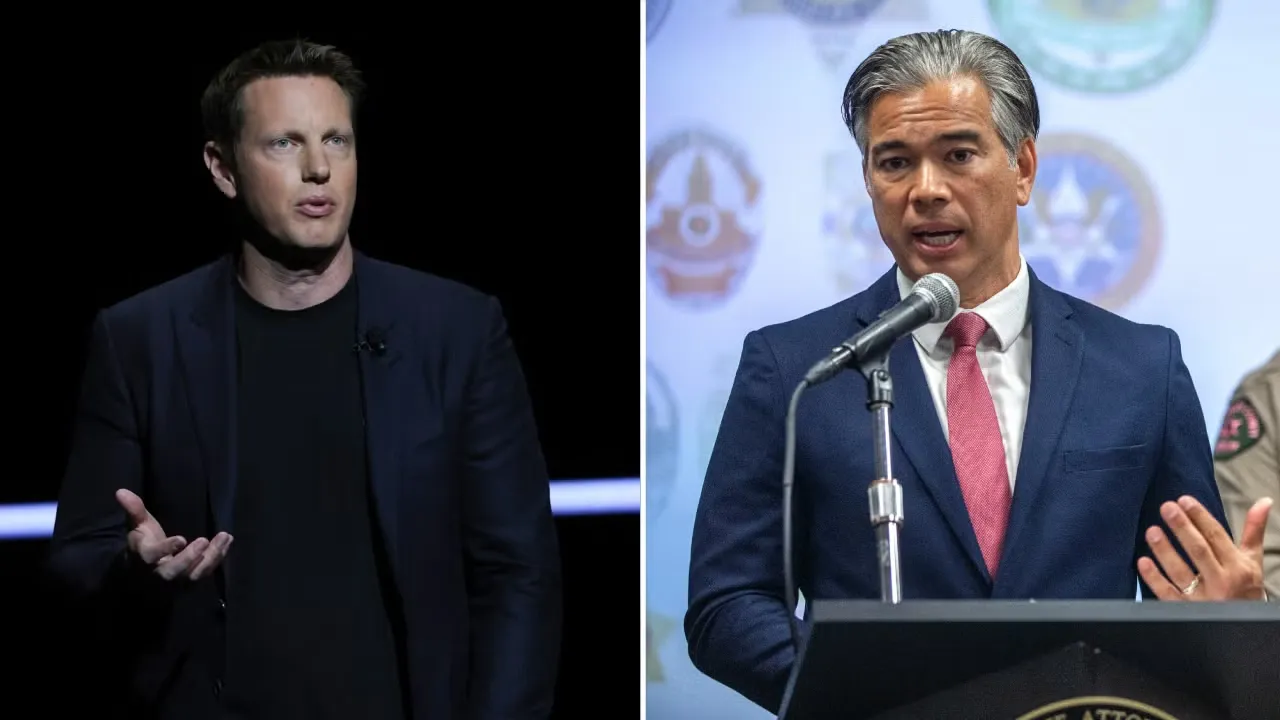
Paramount settles with 12 states, $110B Warner merger clears final hurdle
David Ellison's studio avoids a March trial and a $7M-a-day ticking fee by settling with state AGs over local job losses.