

Paramount weighs moving headquarters if California AG sues to block $110B WBD merger
Company says it will address “legitimate antitrust issues” while state AGs push for a temporary injunction.
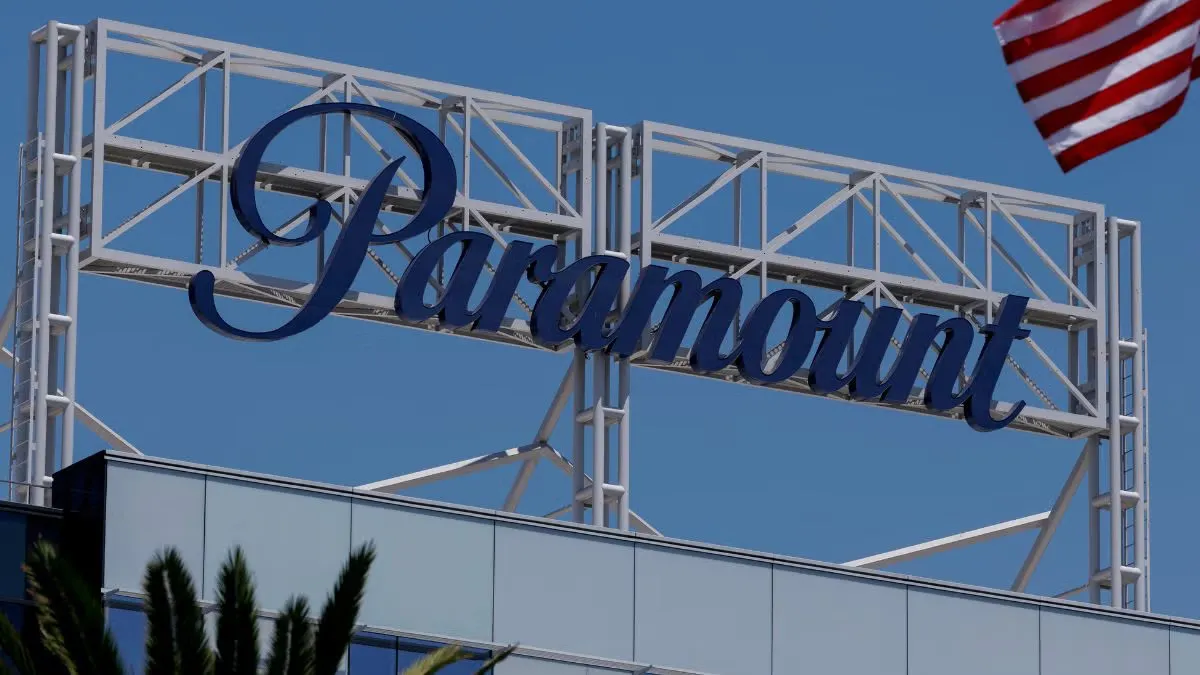
Paramount is preparing contingency plans, including potentially relocating its headquarters and redirecting planned spending, as California Attorney General Rob Bonta and other state AGs are expected to seek a temporary injunction blocking its proposed $110 billion merger with Warner Bros. Discovery. For executives and boards, the signal is clear: this deal is no longer just a global antitrust fight, it is now a state-level operating and capital-planning test.
Paramount is reportedly weighing a dramatic response to a very specific threat: if California Attorney General Rob Bonta and other state attorneys general sue to block Paramount from closing its proposed $110 billion merger with Warner Bros. Discovery, Paramount advisers have discussed relocating the company’s headquarters and shifting billions of dollars in planned spending out of California.
In parallel, the regulatory pressure appears to be moving from “investigation” to “stop the deal.” Multiple media reports say Bonta and attorneys general from New York, Connecticut and Washington are expected to seek a temporary injunction aimed at preventing the merger from closing. That combination matters because a temporary injunction is designed to halt time. Even if regulators eventually lose, the deal can be delayed long enough to change financing, leverage, and board dynamics.
Paramount says it is not panicking. In a Monday statement provided to Deadline, the company said it continues “to engage constructively with the remaining few regulators around the world still considering the merger, including State Attorneys General, and are prepared to address any legitimate antitrust issues.” Paramount added it is “confident this transaction raises no such concerns,” and argued the deal “will create a stronger challenger to dominant global streaming and technology platforms, expand consumer choice, increase investment in premium content and theatrical distribution, and create more opportunities for creators and workers.” Underneath the language, the message is tactical. The company is positioning itself as cooperative on antitrust substance, while also signaling it believes the core theory of harm is wrong.
What makes the California angle especially sharp is that state regulators do not just adjudicate on-paper market power. They can influence where companies operate, how they spend, and which commitments they must accept. Semafor reports the contingency planning came out of discussions among advisers to Paramount CEO David Ellison, urging him to consider relocating the headquarters and redirecting much of the company’s roughly $30 billion in planned annual spending if California decides to file a lawsuit. No decisions have been made, and Semafor suggests the discussions could also function as negotiation leverage, not a true plan to uproot the business.
Still, the stakes are high enough that even “leverage” has real consequences. If a major media company starts signaling that state litigation could trigger spending relocation, state AGs face a harder political and economic tradeoff. They may be more tempted to push for stronger commitments or faster court action. Paramount, meanwhile, faces the risk that any contingency plan becomes public proof of how much it cares about California approvals, which can harden negotiating positions on both sides.
This is also not Paramount’s first step toward reducing regulatory friction. Semafor reports Paramount has proposed a series of commitments designed to address concerns from regulators, including producing 30 films annually and keeping both the Paramount and Warner Bros. studio lots operating in California. Deadline separately reported that Paramount discussions with state officials have included potential production commitments and employment safeguards as the company seeks approval for the transaction.
That set of proposed commitments is telling because it maps onto the stated reasons for scrutiny. Bonta previously said his office is investigating the merger, citing concerns about potential job losses along with higher prices. Those themes show up directly in how companies typically frame remedies in media consolidations: protect employment, preserve local production capacity, and mitigate price or access harms. Paramount’s framing in its statement pushes in the opposite direction, emphasizing consumer choice, more investment, and stronger competition to dominant streaming and technology platforms.
At the center of the conflict is the process itself, not just the deal. Semafor also reported that Paramount execs have become frustrated by what they feel is a lack of engagement from Bonta’s office. One adviser described California as becoming an “inhospitable” place for the company to operate should the attorney general move forward with litigation. Notably, neither Paramount nor AG Bonta’s office immediately responded to TheWrap’s request for comment. But the reported frustration points to an often overlooked dynamic in antitrust battles: even when parties accept that litigation is possible, the speed and tone of regulator engagement can affect how willing executives are to offer remedies beyond the minimum.
For decision-makers in adjacent roles, the strategic implication is simple: media mergers are increasingly treated as state-level operating questions, not just federal antitrust math. When proposed transactions scale to $110 billion and involve global streaming and technology competition, regulators can reach for whatever lever they believe will change the outcome. A temporary injunction request threatens deal timing. Contingency planning threatens state economic comfort. And production and employment commitments become bargaining chips with court relevance.
Tomorrow’s question for boards, CFOs, and deal teams is whether the next phase will be about adding more commitments or changing the deal’s footprint. Paramount is trying to do both rhetorically: reaffirm confidence while preparing for action. And if state AGs proceed toward court, this merger may quickly move from “approval process” to “operational and capital contingency test” for the executives tasked with carrying it through.
This story's Key Insights and Take-aways are locked.
Create a free account to unlock Executive Actions for one credit.
Register to UnlockAlways free for Executives Club members. Join the Club
More in Business
SK Hynix opens at $170, raises $26.5B, and tops foreign IPO records
In Friday's Wall Street debut, SK Hynix turns AI RAM demand into a $26.5B fundraising moment that rewrites comps.

China lands a reusable Long March booster, a first that matches SpaceX and Blue Origin
A barge landing and net-based recovery move China from theory to proof, reshaping the reusability race and satellite ambitions.

AstraZeneca $27B wipeout as Wainua late trial misses cardiovascular target
A failed late-stage heart study triggered a swift market punishment, forcing investors and boards to reset timelines and risk.