

Peccadillo Pictures secures UK theaters for queer sci-fi Chatlines next year
The Black Mirror-style indie lands a theatrical UK release through Peccadillo, with Siobhan Finneran and Lloyd Eyre-Morgan front-and-center.
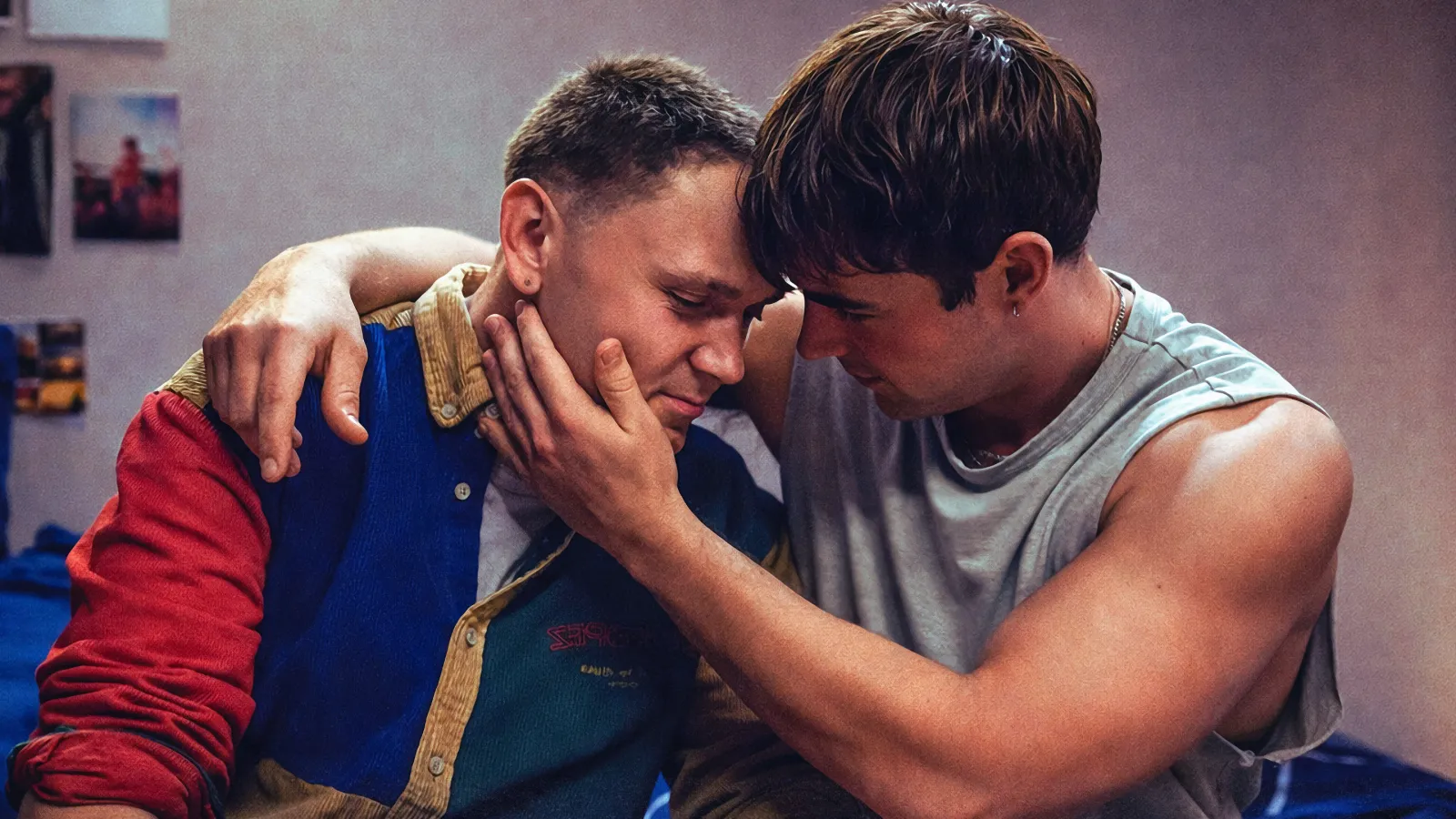
Peccadillo Pictures picked up the queer sci-fi movie Chatlines for UK theatrical distribution. The film, starring Siobhan Finneran and Lloyd Eyre-Morgan, is set to release in the UK next year.
Peccadillo Pictures has secured UK theatrical distribution for the queer sci-fi film Chatlines, with a release planned for next year. If you follow the business side of film, that matters because theatrical distribution is not a casual checkbox. It signals confidence that the audience for a niche, genre-bending indie can travel beyond the festival circuit and into mainstream conversations.
The movie is built like a Black Mirror-style experiment. Chatlines stars Siobhan Finneran from Happy Valley, and it is co-directed by and stars Lloyd Eyre-Morgan, alongside Nico Mirallegro. In the story, Morgan plays Jordan, a 30-something who meets a partner through a Chatroulette-style app, turning late-night screen interaction into something more volatile and revealing. That premise is the point, and it is also the reason theatrical booking is a real bet: the film is about how digital spaces shape intimacy, and it is designed to feel uncomfortably close to real life.
So what does Peccadillo getting the UK theatrical slot actually mean for decision-makers? For one, it changes the movie’s distribution economics and visibility. Streaming and limited screenings can keep a title contained. Theatrical distribution, even when scaled for indie releases, creates a different kind of momentum. It invites coverage, lends legitimacy to the genre experiment, and gives exhibitors a clear programming hook: a queer sci-fi story that reads like tech-psychology rather than fantasy.
The creative team also sets expectations for how this will land. Chatlines is co-directed by and stars Lloyd Eyre-Morgan (Departures), a credentialed performer with genre-adjacent range, and it brings in Nico Mirallegro (My Mad Fat Diary) as a co-star. Siobhan Finneran (Happy Valley) headlines in a way that pulls mainstream attention toward a project that otherwise might get treated as “interesting, but niche.” In a marketplace where buyers are constantly weighing risk, recognizable talent can be the difference between a film that survives on word of mouth and one that gets enough audience flow to justify a broader theatrical push.
There is also a regulatory and platform-framing subtext that execs and boards will notice, even if nobody in the article is talking about compliance. A film about meeting through a Chatroulette-style app is inherently about online behavior, user interfaces, and how platforms mediate consent and identity. In the UK and Europe, content distributed publicly is shaped by classification, audience guidance, and the broader standards around depiction. While the source does not lay out ratings or compliance specifics, the strategic reality is that theatrical release forces tighter alignment to audience expectations than a festival-only run. That tends to matter for marketing, partnerships, and media coverage. Theaters are not just screens; they are public venues, and they push films to be legible quickly for a general audience.
For the industry, Chatlines sits in a lineage of “speculative cautionary tales” that trade on the credibility of real tech experiences. Those stories typically succeed when they do two things at once: they make the digital mechanism feel recognizable, and they turn it into drama with emotional consequences. Chatlines appears built exactly that way, since its setup is essentially the modern dating and connection workflow, stripped down to its most fluorescent, algorithm-shaped version. The first promise is curiosity. The second is discomfort. The theatrical gamble is whether enough people want that discomfort in a shared room, not just alone at home.
Second-order implications for executives are worth calling out. A distribution win for a queer sci-fi title can signal to funders and partners that “non-traditional” stories can earn theatrical footing, which can influence what gets financed next. It can also affect how talent agents pitch projects, because Siobhan Finneran’s involvement suggests cross-pollination between TV stardom and cinematic genre risk. And for boards evaluating slate strategy, it reinforces a pattern: companies that back hybrid projects, anchored by credible performers and sold with a clear audience hook, can open new revenue paths beyond the usual streaming-first playbook.
The strategic stake is simple. If you are an executive building a slate, you are always hunting for projects that can travel. Chatlines, with Peccadillo Pictures behind it for UK theaters next year, is aiming to do that by combining queer storytelling, sci-fi framing, and a recognizable chat-app scenario. The unanswered question is not whether it is bold. The question is whether the market is ready to treat digital intimacy as theatrical drama, not just internet fodder. This distribution step suggests the answer may be, at least in the UK, and next year will be the proof.
This story's Key Insights and Take-aways are locked.
Create a free account to unlock Executive Actions for one credit.
Register to UnlockAlways free for Executives Club members. Join the Club
More in Entertainment

Russell Brand's accuser 'bewildered and confused' as he denies 7 sex charges
The criminal case against the comedian is a live test of how media companies manage talent risk when serious allegations go public.

'It's a Magic Trick': Ballet Experts Say Rosalía's SNL Pose Is Impossible
Three ballet experts tell Rolling Stone Rosalía's gravity-defying SNL stillness shouldn't be possible - and why the debate is now part of the show.

Activision CMO: GTA 6 Will Boost Call of Duty, Not Bury It
Activision's top marketer says Rockstar's blockbuster will drive players back to consoles and into Modern Warfare 4, even as the company admits its recent strategy failed.