

Perfused donor livers get biologically younger by ~30%, study finds
Aging-clock data shows machine perfusion reverses liver biological age, a breakthrough that could expand donor pools and justify six-figure costs for hospitals.
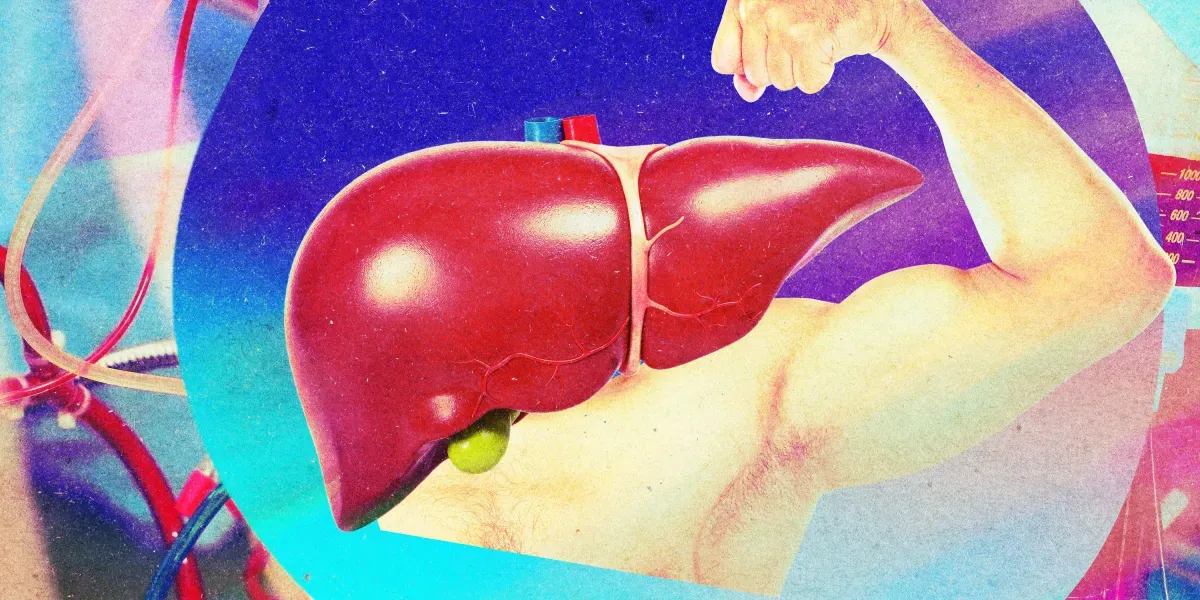
Jesse Poganik, who studies aging at Brigham and Women's Hospital, and Heidi Yeh, transplant surgeon at Mass General Brigham, found that machine-perfused donated livers show biological ages roughly 30% lower than cold-stored organs. For hospital executives and transplant programs, the finding validates an expensive but game-changing technology that can turn marginal organs into viable transplants and reorder procurement economics.
Machine-perfused donated livers are not just better preserved - they emerge biologically younger, by a margin researchers put at roughly 30%. That is the headline from a new study shared with MIT Technology Review, and the number comes from a head-to-head comparison after adjusting for chronological age. "If you adjust out chronological age... to have a fair head-to-head comparison, the difference between the two is on the order of 30%," says Jesse Poganik, who studies aging at Brigham and Women's Hospital in Boston and coauthored the work. "It's logical to say that perfusion drives this effect."
The finding is the result of work led by Heidi Yeh, a transplant surgeon at Mass General Brigham, alongside Poganik and Alban Longchamp, also a transplant surgeon at Mass General Brigham. Using "aging clocks" - tools that gauge biological age through patterns of chemical marks on DNA and gene activity - the team first analyzed 37 samples from 19 donated livers. Then they ran a larger set: 208 samples from 103 livers, biopsied after up to six hours of storage either on ice or on perfusion machines. In most cases they also sampled the livers about an hour after transplant. In both rounds, machine-perfused livers came out biologically younger. "Machine-perfused livers, in spite of being older or having other disadvantageous characteristics, had a biological age that was lower than [non-perfused] livers that were chronologically younger," says Yeh.
The mechanism is what makes this potentially transformative. Surgeons usually flush a donated organ with preservative solution, bag it, and put it on ice - where degradation starts immediately and the clock ticks down in hours. Perfusion machines, by contrast, pump the organ with nutrients and remove waste for six to 12 hours, mimicking life inside a body. "Pumping them at 34 degrees with oxygen and nutrients actually reversed the biological age," says Longchamp. At the molecular level, the team saw changes in cell pathways linked to inflammation and tissue structure, plus increased activity in a pathway that lets cells remove and recycle damaged parts. The biological age of every liver tended to rise once placed into a recipient - a stress response - but the perfused organs remained younger.
The clinical stakes are immediate. Organs from younger donors have historically shown higher transplant success rates, and this data offers a molecular reason why perfused organs are less likely to fail. Yeh says the technology has already changed her team's practice. Just a few years ago, she and colleagues avoided livers from donors who had died from circulatory death and were over 40. Today they use livers from such donors over 70. "Perfusion has completely changed the landscape of transplantation in the last three years," she says.
The catch is cost. Perfusion is expensive: around €10,000 in Germany, according to Nathanael Raschzok, a transplant surgeon at Charité Universitätsmedizin Berlin who was not involved in the research - about a quarter of a transplant program's budget there. In the US, Yeh says it runs $80,000 to $100,000 per organ. Raschzok calls the work impressive but wants to see how perfusion affects organs from 80-year-old donors, since such organs are increasingly used. He also hopes the molecular insight will lead to a drug that achieves the same biological-age reversal for a fraction of the price.
There are procedural wrinkles too. Yeh and her colleagues were not able to study most livers before perfusion, because donated organs are generally not considered under the hospital's purview until they are placed on perfusion machines. Organ procurement procedures vary, but at Mass General Brigham, donated organs are put on perfusion devices at the donor's hospital. "There's this sort of nebulous period where it's not clear who the organ belongs to," Yeh says. For hospital executives, that ambiguity is a governance issue to resolve as perfusion becomes standard.
Looking ahead, Poganik hopes to develop a test that determines which organs are suitable for transplantation based on biological age, and the team is experimenting with drug treatments that might push biological age even lower. For hospital boards and investors in medical technology, the strategic message is clear: perfusion is moving from experimental niche to standard-of-care infrastructure. Early adopters can expand donor pools, reduce discarded organs, and build data advantages in transplant outcomes. Late movers will face higher costs and sicker waitlists. The data says organs are not as old as their calendars suggest - and the machines that prove it are already running.
This story's Key Insights and Take-aways are locked.
Create a free account to unlock Executive Actions for one credit.
Register to UnlockAlways free for Executives Club members. Join the Club
More in Science
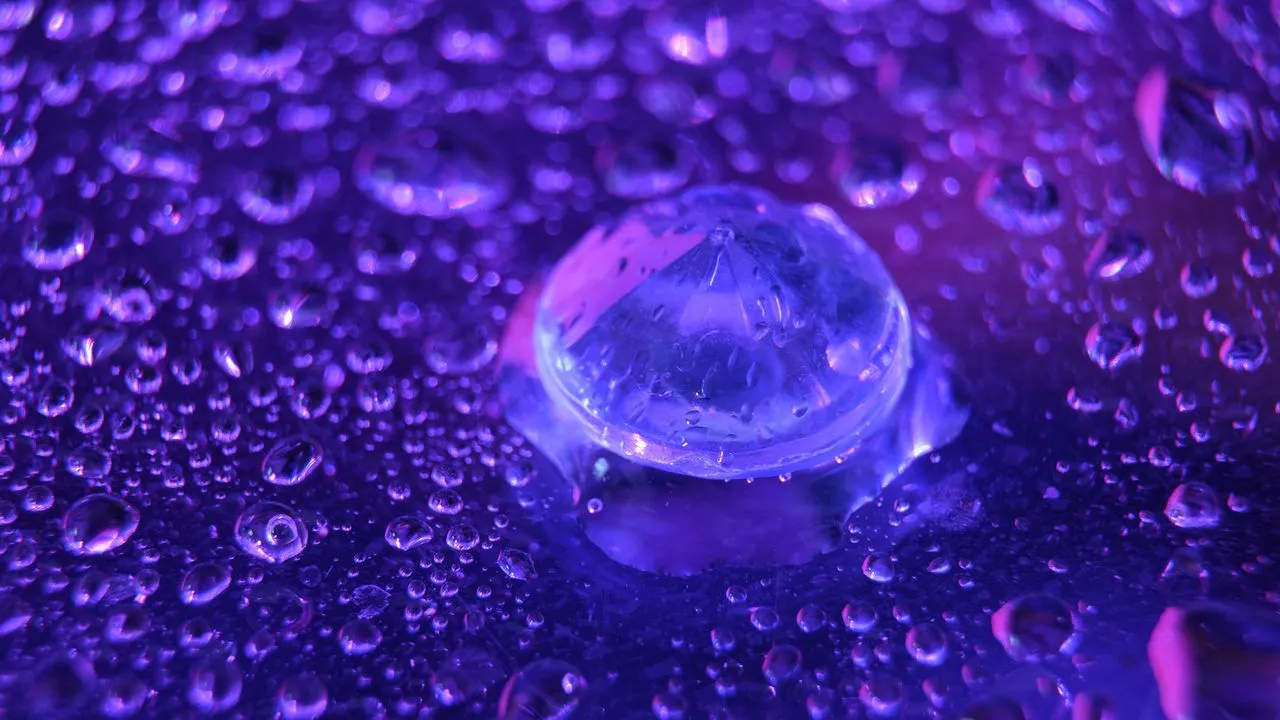
Diamond's melting point was 1,300 degrees too high. A laser just fixed it.
New laser experiments correct diamond's melting point, aligning with theory and sharpening models for fusion and ice giant planets.
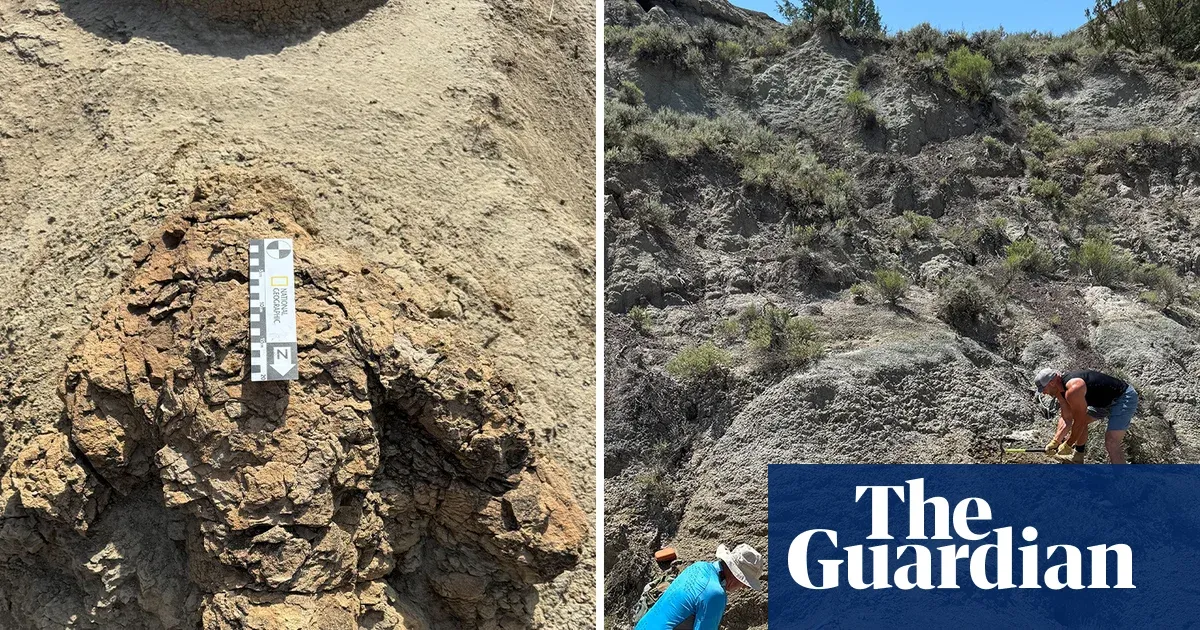
First adult T rex footprints found - 23-foot trackway from 66.5M years ago
The first known adult T rex trackway offers unprecedented insight into the predator's movement and behavior.

DeepMind decodes all 9 billion DNA mutations and gives scientists the map free
The AI giant's AlphaGenome Atlas predicts the impact of every single-letter change in human DNA, promising to speed rare-disease diagnosis and drug discovery.