

Phil Weiser projects over Michael Bennet for Colorado governor nod, ending Bennet’s front-runner edge
Decision Desk HQ projects the Colorado Democratic governor primary flips away from Michael Bennet and toward Phil Weiser.
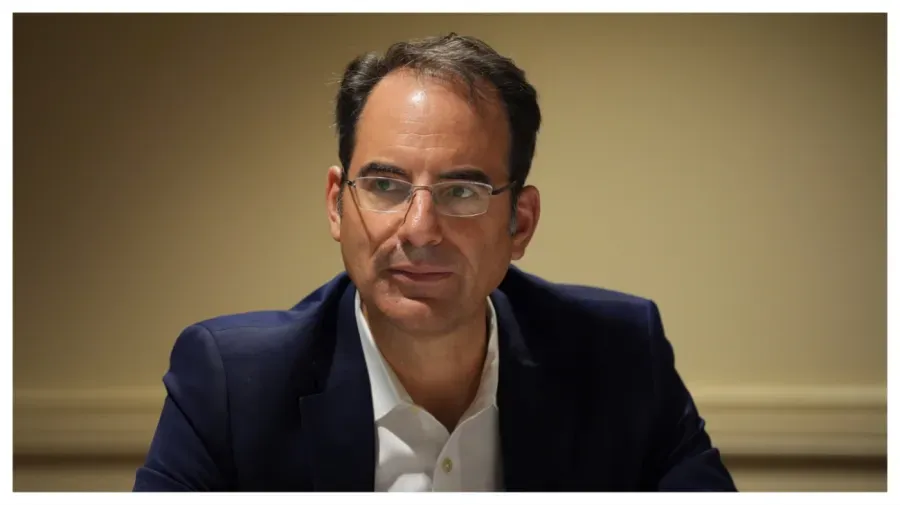
Colorado State Attorney General Phil Weiser is projected by Decision Desk HQ to defeat U.S. Sen. Michael Bennet for the Democratic nomination for governor. The reversal matters because it reshapes who Democrats rally around to lead the state after an initially Bennet-favored start.
Colorado’s Democratic governor primary has produced a plot twist: State Attorney General Phil Weiser is projected to defeat U.S. Sen. Michael Bennet for the Democratic nomination, according to Decision Desk HQ. The projection is a stark contrast to how the race began, when Bennet was widely seen as the favorite.
For decision-makers, the key detail is the name on the ticket. This is not a marginal shakeup. Bennet, a three-term senator and former superintendent of Denver Public Schools, was the candidate many expected to carry the nomination, at least at the start. Weiser, the state’s attorney general, is the one now projected to win the Democratic nod, shifting momentum, attention, and coalition building toward the attorney general’s lane of governance.
Why does a projected primary outcome like this land with extra force beyond party politics? Because governor nominations set the policy agenda early, long before a general election locks in. In practical terms, the nominee becomes the default magnet for interest groups, donors, and elected officials who want influence when state agencies and legislative priorities start moving. When the race flips away from a candidate who was initially viewed as the favorite, it signals that voter priorities and campaign execution are not aligned with early assumptions.
There is also an institutional contrast baked into the resumes. Bennet’s background includes serving as a U.S. senator for three terms and working in education leadership as former superintendent of Denver Public Schools. That kind of public-facing education credential often helps candidates frame budgets and public service delivery around schools, outcomes, and workforce development. Weiser’s role as state attorney general tends to anchor campaigns around enforcement, consumer protection, and litigation posture, even when the campaign talks broadly about economic and social issues.
This matters because the governor’s office is where regulatory gravity concentrates. A governor influences agency leadership, sets the tone for rulemaking, and can push departments toward tougher enforcement or faster implementation. When the projected nominee is an attorney general, it often implies a different comfort level with investigative and compliance frameworks than a candidate whose most recent executive work was in education administration and federal legislation. The primary result, therefore, changes not just who wins, but what style of governance and policy emphasis becomes easier to defend.
The Bennet-to-Weiser reversal also hints at something else executives and investors should care about: coalition timing. Early favorites benefit from a compounding effect. Media attention increases fundraising, endorsements attract more endorsements, and volunteers and local leaders often mobilize sooner. When the race shifts, it suggests that late-breaking resources or persuasion worked, or that the initial front-runner advantage did not translate into durable voter support. Even without diving into campaign tactics, the mere fact that Decision Desk HQ now projects Weiser over Bennet after Bennet was initially considered favored tells you the electorate was not locked.
Second-order implications ripple through the state’s policy ecosystem. The Democratic nomination battle determines which candidates build relationships with key stakeholders in time for the transition and the first wave of executive orders, legislative negotiations, and agency priorities. If Weiser is projected to win, he inherits Bennet’s opponent’s universe of expectations in a compressed timeframe. That can pressure the incoming team to move quickly on staffing, messaging, and early policy priorities to capitalize on momentum.
For peers in similar roles, there is a strategic lesson wrapped in the outcome. Attorney generals and senators often appeal to different constituencies and different issue framing. A race that starts with Bennet as the favorite and ends with Weiser projected to win underscores that titles do not automatically equal electoral dominance. The public can decide that an alternative leadership profile, here the state’s attorney general, better fits the moment. And once that decision happens, it becomes the playbook for how party power will be organized next.
This story's Key Insights and Take-aways are locked.
Create a free account to unlock Executive Actions for one credit.
Register to UnlockAlways free for Executives Club members. Join the Club
More in Politics
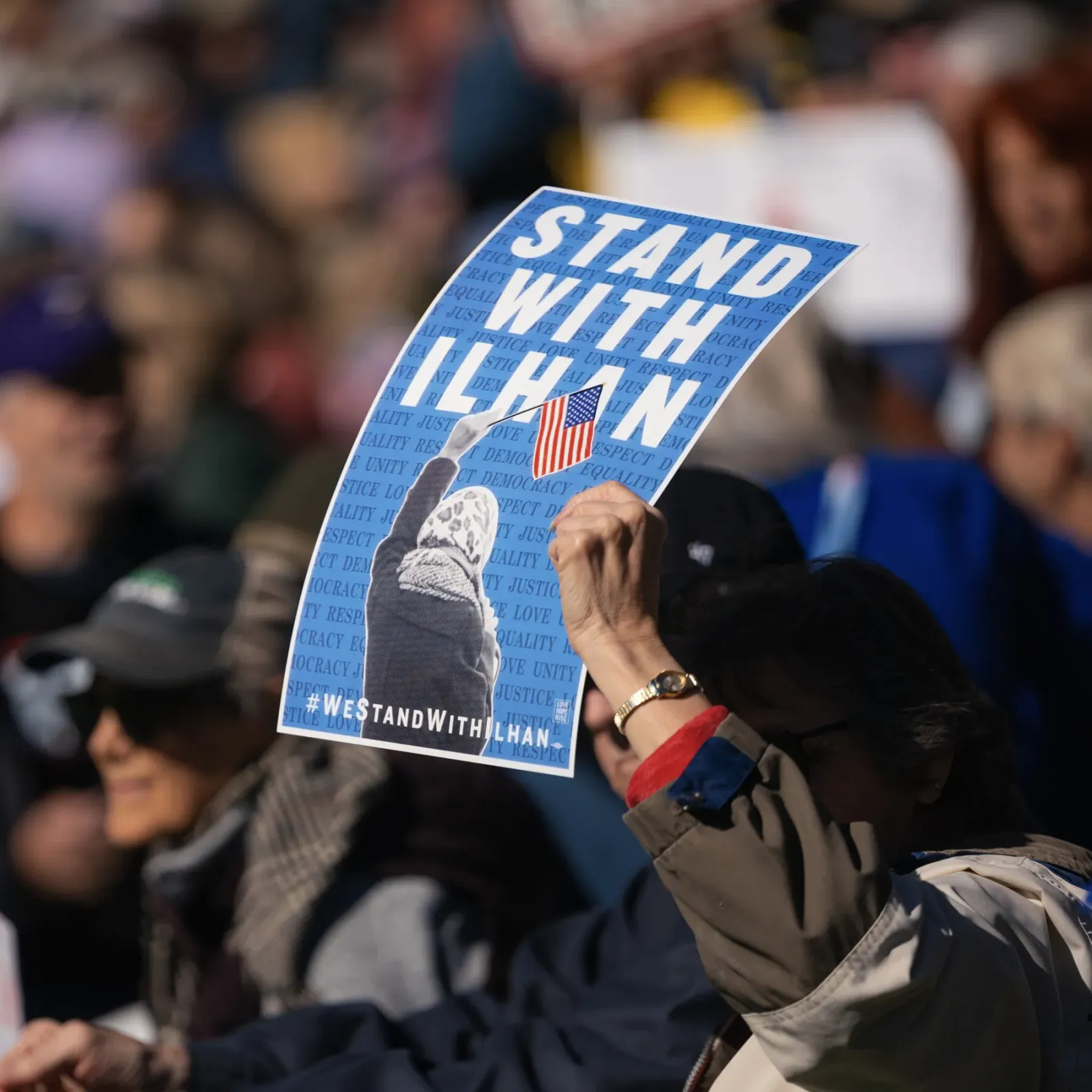
Obama Defends Ilhan Omar After Agents Search Her Home in Trump Inquiry
The former president's intervention raises the stakes in a federal probe into immigration paperwork that has put a prominent progressive lawmaker in the crosshairs.

Blair-era minister: cut welfare to fund youth job support
Alan Milburn's call for welfare cuts to fund employment support opens a Labour fight over benefits and the Neet crisis.
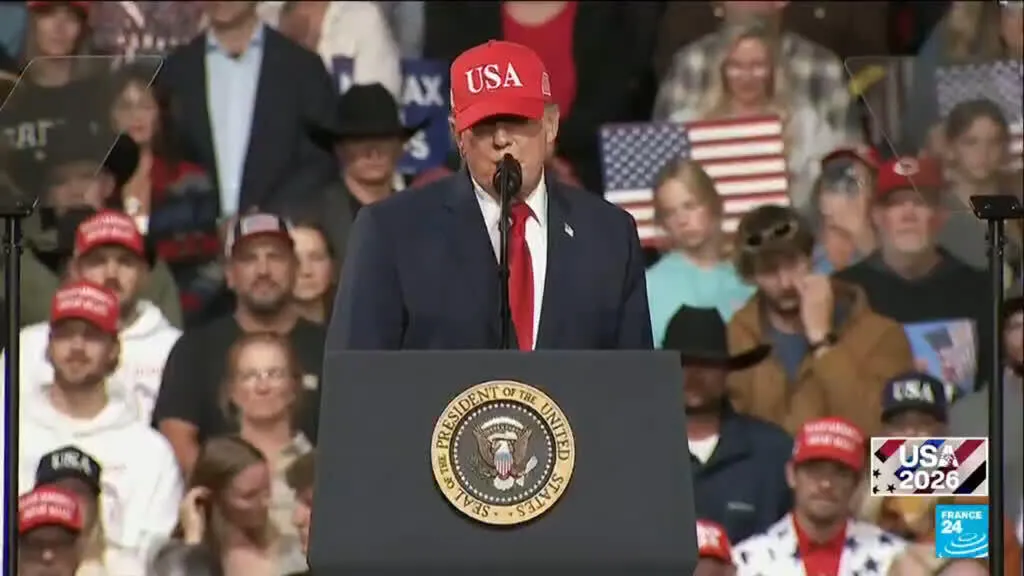
Hot September CPI: energy costs surge, voters feel the squeeze before midterms
The latest inflation print lands as Trump campaigns for GOP control of Congress, putting cost-of-living worries at the center of the midterm fight.