
Philips replaces bricked smart lighting hubs for free after an update ruined them
A firmware update bricked Philips smart lighting hubs, but Philips says a newer update is already rolling out to prevent repeats.
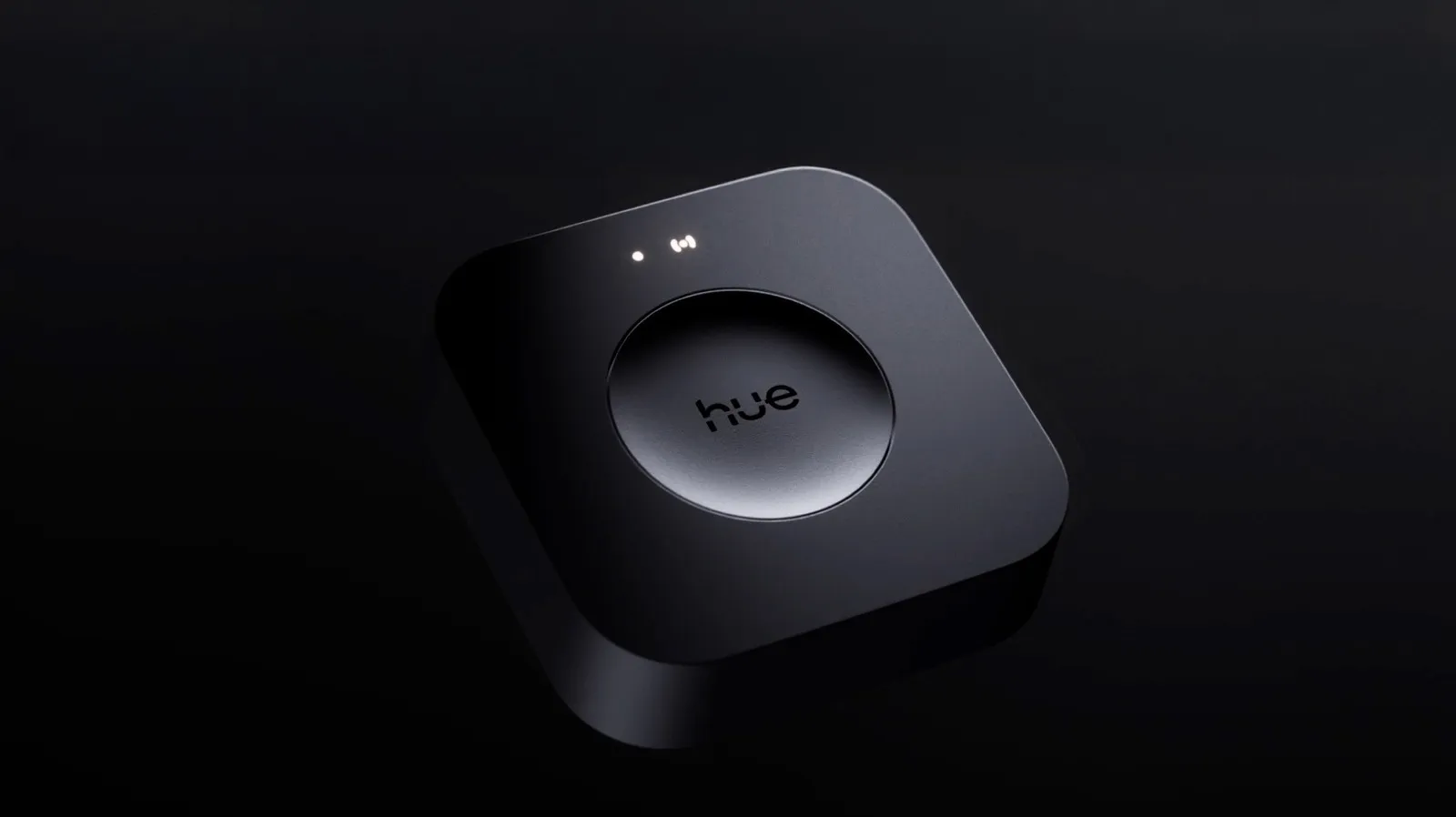
Philips is offering free replacements for smart lighting hubs that were bricked after an update. The incident forces decision-makers to weigh update risk, customer trust costs, and the speed of remediation when connected-home reliability becomes non-negotiable.
Philips is stepping in with free replacements after a smart lighting update bricked its lighting hubs, leaving customers with devices that stopped working as intended. The company also said a newer update is rolling out that should prevent the issue from happening again. In other words: the fix is not just a patch note. It is a warranty-style reset of the damage, with an immediate hardware consequence for a software problem.
If you run an connected product, this is the nightmare scenario you actively try to avoid: a routine update that turns functional home infrastructure into unusable hardware. The source reports Philips offering free replacements after the update bricked smart lighting hubs, and that a newer update is rolling out to prevent the issue. For executives and operators, the operational math is brutal. Even when the root cause is narrow, the blast radius hits households, support queues, and brand confidence. For decision-makers, the question becomes less “Can we ship updates?” and more “Can we ship updates without creating expensive breakage at scale?”
Connected lighting and other smart-home hubs are particularly sensitive because they sit in the middle of the user experience. They are the local controllers that make apps, automations, voice assistants, and schedules work together. That means when the hub bricks, it is not a single app bug. It is a whole ecosystem outage for the customer. The workaround often requires manual intervention, replacement, or re-setup. From a business perspective, that is customer success labor, reverse logistics, and reputational cost all arriving together.
This is also a reminder of how incentives work in firmware land. Smart-home companies want to ship improvements fast: security fixes, stability upgrades, and new features. The downside is that firmware updates can carry compatibility risks across hardware revisions, network conditions, and app versions. Executives tend to view these programs as “ongoing maintenance.” Customers experience them as “my lights stopped working.” Philips attempting prevention with a newer update suggests the company is treating the original update as a defect that can be addressed forward, not merely explained away.
There is a regulatory and policy layer too, even if the source does not name it directly. Connected devices increasingly sit under a growing expectation for security and reliability, and many jurisdictions are tightening rules around consumer protections and product safety. While this Philips incident is about bricking, it still lands in the broader “responsible updates” conversation. Regulators and standards bodies often look for how companies manage vulnerabilities and how they respond when something goes wrong. A free replacement program can be read as remediation aligned with consumer harm rather than a “wait it out” posture.
Second-order implications are where boards and CFOs will feel this. When Philips offers free replacements, that is not just a customer goodwill gesture. It is a direct cost line. It can affect gross margin, cash flow, and the timing of future product investments. It can also shift risk appetite internally. Teams may slow down release cycles, add more validation gates, expand canary rollouts, or improve rollback capabilities. That is the “process tax” that often follows an incident like a bricking event.
For peers, the strategic takeaway is not “updates are dangerous” and certainly not “do nothing.” It is that the remediation plan matters as much as the underlying bug. Philips says a newer update is rolling out to prevent the issue. That matters because the fastest way to stop repeating costs is to stop repeat failures. If you sell hubs, controllers, gateways, or any device that can brick, your customers will judge the whole system based on how quickly you prevent further damage and how fairly you cover existing customers.
In practice, the decision-makers story is about resilience. Philips is showing one form of resilience, replacing affected hubs at no cost and pushing forward a preventive update. Other companies will take note, because households are starting to treat smart-home reliability like utilities: if it fails broadly after an update, the trust gap lasts longer than the outage. The next time an executive signs off on an update rollout schedule, this Philips incident becomes a case study in what “customer impact” actually means when connected devices are the backbone of everyday life.
This story's Key Insights and Take-aways are locked.
Create a free account to unlock Executive Actions for one credit.
Register to UnlockAlways free for Executives Club members. Join the Club
More in Technology

Google quietly links your phone number to every Android account on your SIM
Adding a SIM now ties your phone number to all Google accounts - and future accounts inherit it. Here's the security and privacy stakes.

Hijacker AI 'Skynet mode' runs 100,000 attack steps against exposed models
Symantec caught a criminal AI agent that borrows other models, steals data, and mines crypto; the only relief is no confirmed victims yet.

Nvidia's AI-financier shift faces its first big test as neoclouds stumble
A rout in neocloud stocks is forcing investors to weigh Nvidia's hidden exposure as both supplier and lender to the AI buildout.