
Realities launches smart glasses that skip cameras, betting meetings and travel beat recording
A camera-free approach reframes smart glasses as productivity tooling, not surveillance hardware, for global, language-heavy workflows.
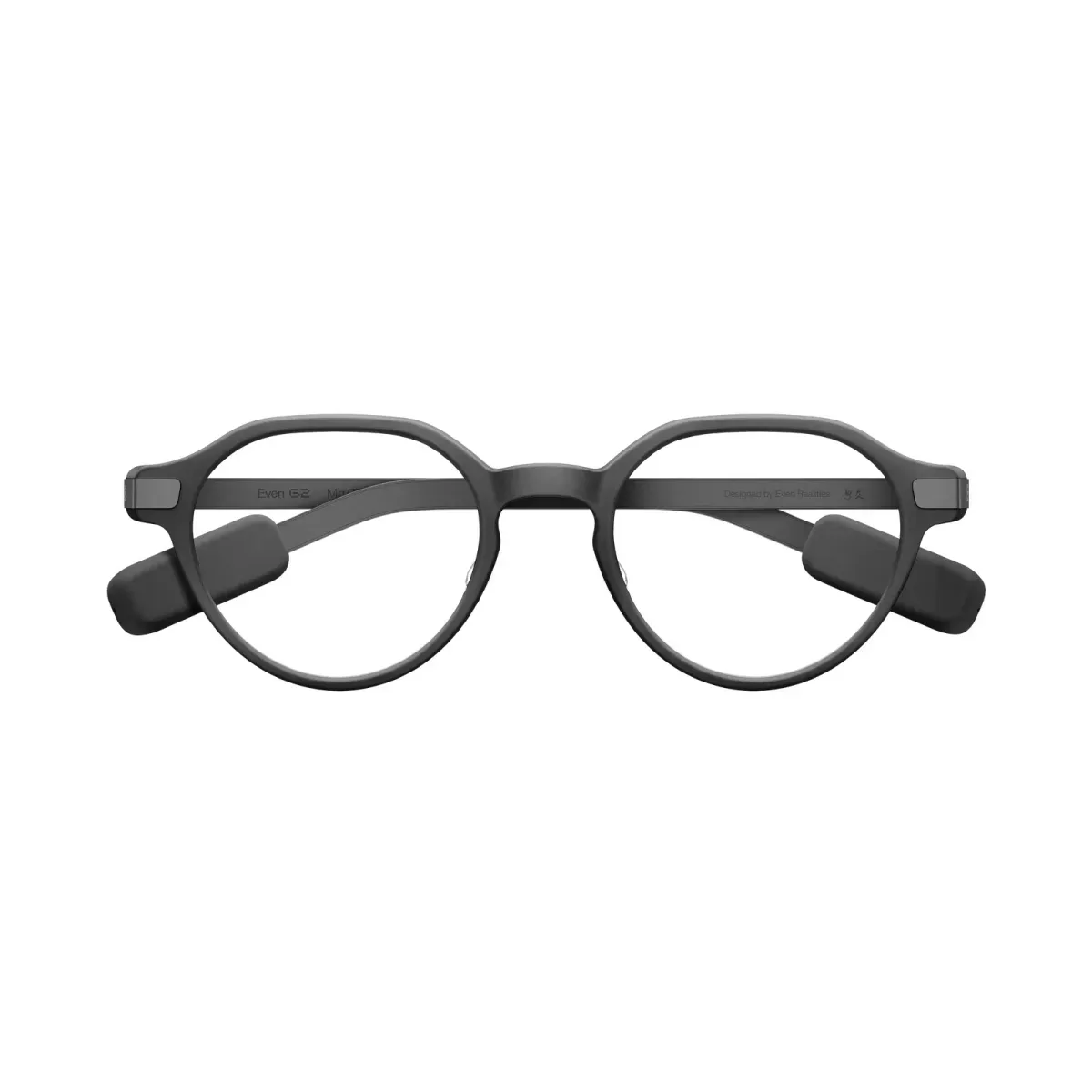
Realities is building smart glasses without a camera, targeting people who live in meetings, deliver presentations, and travel through multilingual environments. The bet is that clear productivity value will win where constant recording concerns and friction have held smart glasses back.
Realities is taking a surprisingly direct swing at one of the biggest trust problems in smart glasses: the camera. Instead of positioning its wearable as a device that constantly captures the world, the company is targeting productivity moments like meetings, presentations, and travel between countries where different languages are spoken.
That framing matters because most people do not reject wearable tech for specs. They reject it for context. In a conference room, “always-on recording” can feel like surveillance even when the tech is intended to help. In a classroom or on a business trip, the presence of a camera can create friction with coworkers, hosts, customers, and even regulators. Realities’ camera-free angle is basically an attempt to make the glasses socially usable first, then technically impressive second.
Look at the use cases it is aiming at. Meetings are the obvious one, because executives are surrounded by them, and the cost of losing context is real. When you are bouncing between note-taking, slides, action items, and follow-ups, a wearable that keeps you oriented without forcing everyone else to wonder what is being recorded can feel like a practical assistant. Presentations are another high-signal moment. A camera-free glasses experience can still support the presenter, for example by guiding what to say next, helping with translations, or keeping key information in your line of sight. Traveling across languages is the third pillar. On the road, you are often balancing logistics with communication. In countries where language barriers are not theoretical, the value of smart glasses is less about “cool footage” and more about reducing the friction of real-time understanding.
This is where market logic kicks in. The smart glasses category has historically struggled with a mismatch between capability and comfort. Sensors and recording features may sound impressive in a product deck, but adoption hinges on whether people feel safe around the device. Camera-free designs reduce one major objection up front. That does not automatically solve the rest of the category’s challenges, like battery life, form factor, usability, and app ecosystems, but it can change the social equation. In enterprise and professional settings, where purchasing decisions often reflect risk management as much as innovation, removing the camera is an easy story to tell.
There is also a regulatory and compliance shadow over any device that can capture video or audio. Even when policies and laws vary by region, the consistent pattern is that “recording” triggers extra scrutiny: workplace rules, consent expectations, and jurisdiction-specific requirements. A camera-less approach can lower the compliance burden for some deployments because it narrows what the device is capable of doing by design. That can make pilots smoother for companies that have governance processes, and it can reduce the amount of legal or HR hand-wringing required before rolling out new hardware.
Board dynamics and capital allocation decisions reflect these realities. If you are funding or buying wearable tech, you care about adoption constraints as much as product performance. Camera-free positioning can widen the addressable market from the start by making the device easier to approve in meetings, conferences, and customer-facing environments. It also changes how leadership teams think about risk. A product that can be framed as “productivity support” instead of “ambient recording” is easier to justify as an operational tool.
Second-order implications show up in procurement too. Enterprise buyers often ask: will this become a policy issue? Will it create consent problems with visitors? Will it complicate internal privacy training? A camera-free product can be easier to classify and communicate. That is not just about optics. It can shorten the path from interest to deployment because fewer stakeholders need to sign off on how captured data is handled.
So the strategic stakes are straightforward for decision-makers watching this space. Realities is betting that smart glasses should earn the right to be worn, not because they can record everything, but because they can help people operate better in the messiest, most sensitive moments of work: meetings, presentations, and travel across languages. If it works, it nudges the entire category toward designs that prioritize trust and usability. If it fails, it will be a reminder that removing one friction point is not the same as delivering a killer workflow. Either way, the direction is clear: productivity first, recording last.
This story's Key Insights and Take-aways are locked.
Create a free account to unlock Executive Actions for one credit.
Register to UnlockAlways free for Executives Club members. Join the Club
More in Technology

Uvera’s seed round brings Morgan Stanley, LAB7, and Core Vision into food-tech
On July 9, Uvera says fresh-food waste and shelf-life extension get a new backer set with supply-chain intelligence.
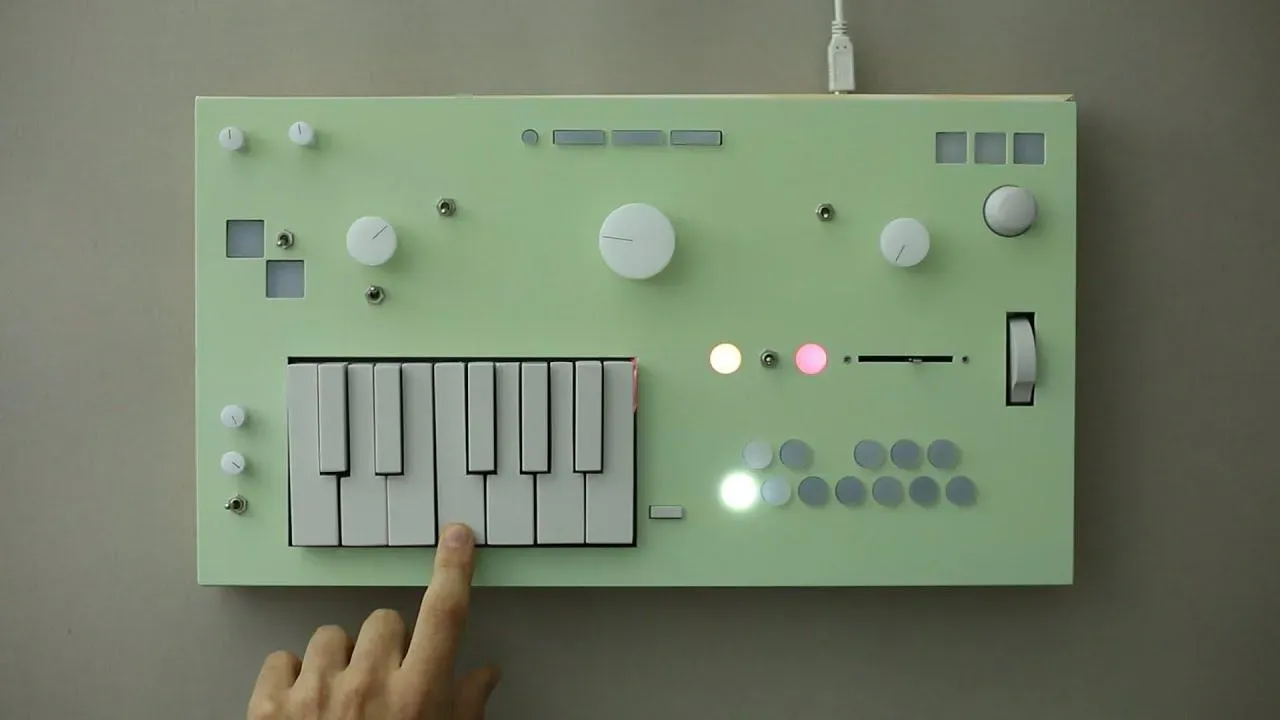
Nopia synth lands in months at about £550, after years of teasing
Creators Martin Grieco and Rocío Gal say the viral Nopia is basically finished and ready to ship soon.
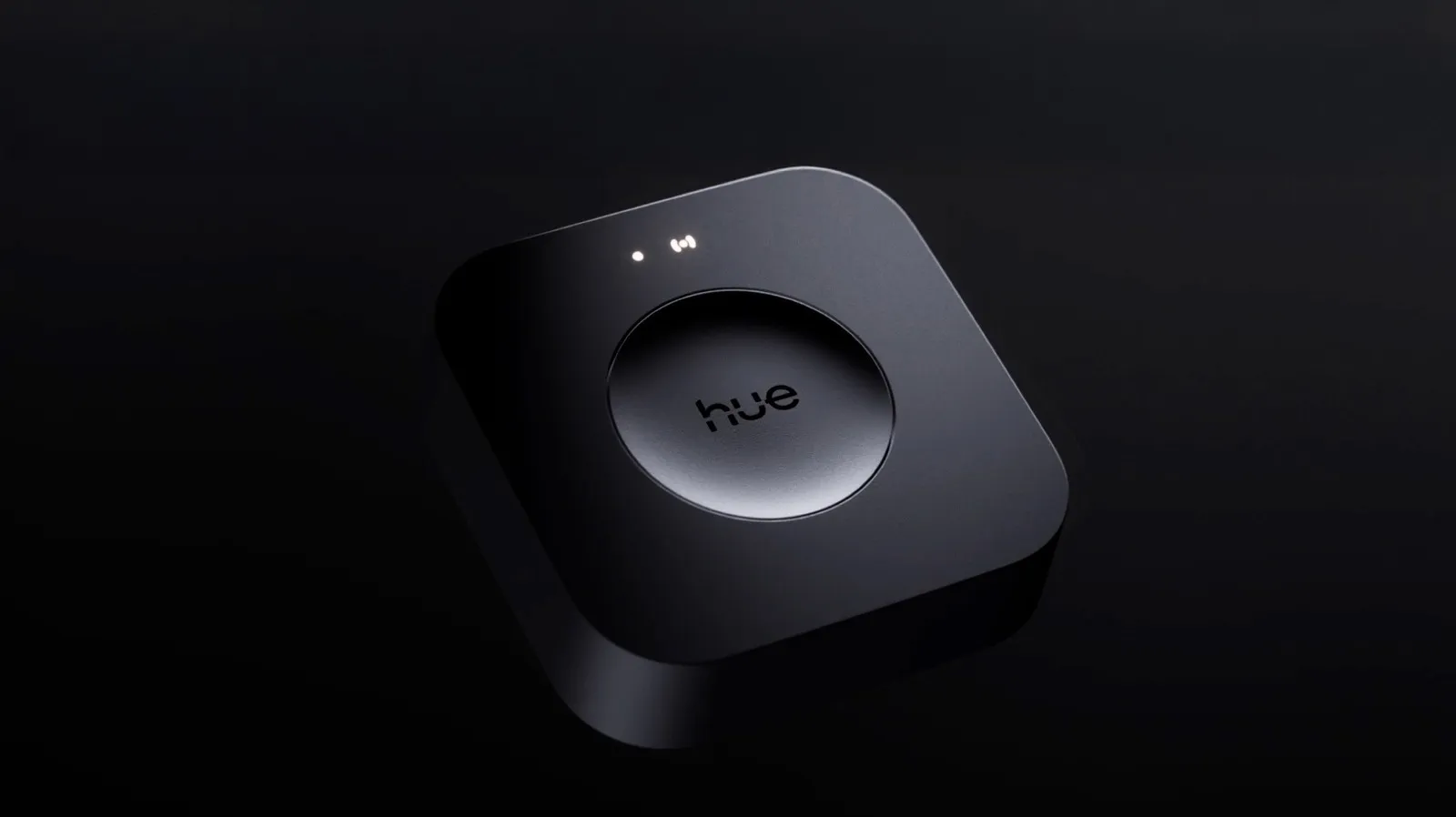
Philips replaces bricked smart lighting hubs for free after an update ruined them
A firmware update bricked Philips smart lighting hubs, but Philips says a newer update is already rolling out to prevent repeats.